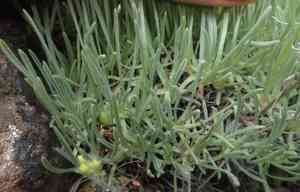
Desert yellow fleabane (Erigeron linearis)
Also known as: Linear-leaved Fleabane
Erigeron linearis, or linear-leaved fleabane, is indigenous to the mountainous regions of western North America, ranging from British Columbia down through Wyoming, northern Nevada, and Mono County in California.
In This Article
Attributes of Desert yellow fleabane
Lifespan
Perennial
Plant Type
Herb
Plant Height
5 cm to 30 cm
Spread
N/A
Leaf Color
Green
Flower Size
1-2 cm
Flower Color
Yellow White
Images of Desert yellow fleabane
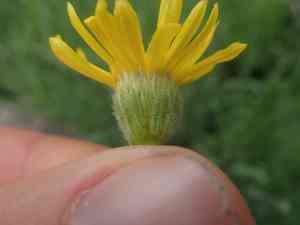
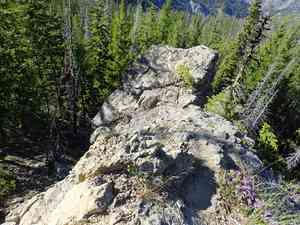
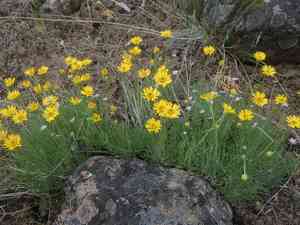
Quickly Identify Desert yellow fleabane
1
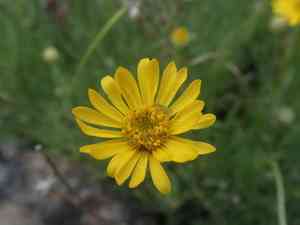
Erigeron linearis can be identified by its narrow, linear leaves and its small, solitary flowers that have white or pink petals and a yellow center.
Scientific Classification of Desert yellow fleabane
Phylum
Vascular plants
Class
Dicotyledons
Order
Asterales
Family
Daisy
Genus
Fleabanes
Species
Desert yellow fleabane
Planting and Growing of Desert yellow fleabane
Care Difficulty
Easy
Watering Schedule
Every 3 days
Sunlight Requirements
Full sun
Sunshine Duration
4-8 hours
Ideal Temperature
50-70℉
Soil Type
Potting Mix, Peat Mix
Soil pH
6.5-7.5
Fertilizer Type
Balanced
Pruning Season
Spring, Summer
Pruning Area
Branches, Leaves
Pruning Frequency
2 times a year
Repotting Season
Spring
Pot Type
Terracotta, Plastic
 How to Water Desert yellow fleabane?
Erigeron linearis, also known as the linear-leaved fleabane, requires about 250 milliliters of water per session. The soil should be moist but not waterlogged, which means the water should drain out quickly, leaving the soil lightly damp. Always ensure the top soil layer dries out before watering again.
What are the symptoms of an underwatered Desert yellow fleabane?
›
What should I do if my Desert yellow fleabane is not getting enough water?
›
What are the symptoms of an overwatered Desert yellow fleabane?
›
How to save an overwatered Desert yellow fleabane?
›
 What Are the Sunlight Requirements for Desert yellow fleabane?
Erigeron linearis prefers full sun but can tolerate partial sun, ideally 6 to 8 hours daily. Proper light exposure maximizes flowering and foliage density, improving the plant's vigor and visual appeal.
How much sunlight does Erigeron linearis need?
›
What steps can you take to achieve ideal lighting for Erigeron linearis?
›
What benefits does Erigeron linearis gain from ideal lighting?
›
 What Is the Ideal Temperature Range for Desert yellow fleabane?
For cultivating Erigeron linearis, an ideal temperature range of 50°F to 70°F is recommended. This range offers a stable environment that promotes healthy growth and flowering. Within this range, the plant can efficiently photosynthesize, ensuring robust development and resistance to mild stresses. Maintaining consistent temperatures within this ideal range fosters optimal physiological processes.
 What Soil is Best for Desert yellow fleabane?
Erigeron linearis thrives in soil that drains quickly, preventing root rot and promoting healthy root development. This is vital for the plant since it naturally grows in well-draining conditions. The plant benefits greatly from a nutrient-rich soil, which supports robust growth and flowering. Using compost or organic matter can enhance soil fertility, providing the necessary nutrients for the plant. Maintaining a moderate level of soil moisture ensures the plant does not dry out or become waterlogged. This balance is crucial for sustaining the plant's vitality and blooming capacity.
 How to Fertilize Desert yellow fleabane?
For Erigeron linearis, it is important to use a balanced fertilizer, such as 10-10-10. When applying liquid fertilizer, use a solution diluted to half strength. Solid fertilizers should be used sparingly, with an amount tailored to the plant's size and growth rate; approximately 1 teaspoon of granules per plant is generally adequate.
 How to Prune Desert yellow fleabane?
The ideal time for pruning Erigeron linearis is during the spring when the plant begins to grow actively. This ensures rapid healing and regrowth after pruning. Start by removing dead or damaged stems to the base. Then, cut back the healthy stems to just above a leaf bud to encourage bushier growth. Pinch back the tips of the stems as needed to maintain a compact and pleasing shape. This method helps control the size and shape of the plant effectively. Collect and dispose of the pruned plant material properly to prevent pests or diseases from being harbored around the healthy plant.
More About Pruning Techniques→
 How to Propagate Desert yellow fleabane plant?
1
Start by preparing the seed tray with a well-draining seed starting mix. Sow the Erigeron linearis seeds lightly on the surface and cover them with a thin layer of soil. Keep the tray in a warm, bright area but out of direct sunlight. Maintain moisture without overwatering.
2
Select healthy stems from the parent plant for cuttings. Trim them to about 10 cm long and remove the lower leaves to expose the nodes. Dip the cut end into rooting hormone to boost root development.
3
Insert the treated cuttings into a container filled with a well-draining potting mix. Ensure at least two nodes are buried. Keep the soil moist and cover the cuttings with a plastic bag to retain humidity, placing them in a bright but indirect light location.
 How to Repot Desert yellow fleabane plant?
1
Erigeron linearis exhibits clear signs when it's time to repot. As the plant grows, its roots can outgrow their container, leading to poor growth due to cramped conditions. If you notice roots coming out of the drainage holes or the plant seems to be stunted despite proper care, it’s a good time to consider repotting.
2
Choosing the right pot for repotting your Erigeron linearis is crucial. Opt for a pot that is one size larger than the current one, ensuring it has good drainage holes. A slightly larger pot allows room for growth without overwhelming the plant, promoting healthy root development and preventing waterlogging.
3
The ideal soil for Erigeron linearis should be well-draining with a sandy mix. This type of soil prevents root rot by allowing water to flow through, ensuring the roots are not sitting in water. An open and airy mix also facilitates better root aeration, contributing to overall plant health.



