How to Propagate Large-flower fleabane?
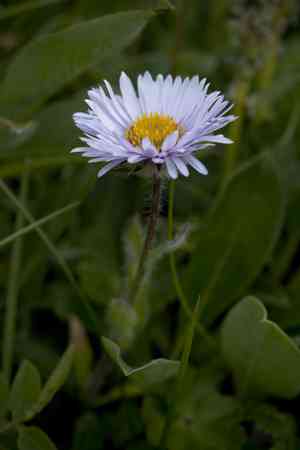
Erigeron speciosus is a perennial herb distinguished by its prominent, sizable blossoms. For propagation, prioritize seed cultivation. Begin with a growing medium that drains effectively and guarantees proper surface water runoff. Seeds require a light covering, consistent moisture, and an ideal temperature range. Regular, delicate irrigation aids in sprouting. Employing a sterilized potting mix can avert illnesses. Perseverance is crucial, as sprouting might require an extended period.
When Is the Optimal Period to Propagate Large-flower Fleabane?
Propagation Method
Seeding
Propagation Period
Spring
What Implements Are Utilized in Large-flower Fleabane Propagation?
Seed Trays
Seed trays are crucial for initiating large-flower fleabane seeds in a regulated setting. They offer a confined space for planting and guarantee that seeds are uniformly spaced and receive ample moisture and light exposure.
Seed Starting Mix
A premium seed starting mix provides the perfect medium for germinating large-flower fleabane seeds. It ensures proper air circulation, moisture retention, and essential nutrients for the initial growth phase.
Humidity Domes
Humidity domes maintain a consistent level of moisture and warmth around large-flower fleabane seeds, encouraging quicker germination and healthier seedling growth. They are vital in preventing seed drying in early stages.
Watering Can with Fine Rose
A watering can with a fine rose head allows for gentle irrigation, reducing the chance of dislodging large-flower fleabane seeds or harming young seedlings. Even watering helps maintain consistent soil moisture without waterlogging.
Heat Mat
Heat mats supply bottom warmth, often necessary for sprouting large-flower fleabane seeds, especially in cooler climates. Regulated heat boosts germination rates by maintaining an ideal temperature range.
Labels and Markers
Labels and markers are essential for tracking different large-flower fleabane seed batches. Accurate labeling aids in monitoring growth stages and maintaining organized plant records.
Transplanting Tools
Transplanting tools such as small trowels or dibbers facilitate moving large-flower fleabane seedlings from seed trays to larger pots or outdoor beds without damaging delicate roots, ensuring successful transplanting.
How to Propagate Large-flower Fleabane?
Propagation Type
Simple
How to Nurture Your Newly Propagated Large-flower Fleabane?
How to Nurture Your Newly Propagated Large-flower Fleabane?
Following transplanting, gradually introduce the young large-flower fleabane plants to outdoor conditions by hardening them off. Water the plants regularly but avoid excessive watering. Provide full sun to partial shade, ensuring they receive ample light. Apply mulch around plants to retain moisture and suppress weeds. Periodically check for pests and diseases, treating them promptly. Fertilize sparingly with a balanced, slow-release fertilizer to support robust growth. Deadhead spent flowers to encourage continuous blooming.
Common Errors to Avoid When Propagating Large-flower Fleabane
Overwatering
Excessive moisture can lead to root rot and fungal diseases, which can significantly hinder propagation efforts.
Inadequate Light
Insufficient light can result in weak, leggy growth, reducing the likelihood of successful propagation.
Poor Soil Drainage
Using soil that retains too much moisture can cause the roots to suffocate, leading to poor plant health.
Cuttings Too Long
Using cuttings that are too long can decrease the chances of successful rooting due to insufficient energy reserves.
Incorrect Cutting Method
Not making clean cuts can introduce pathogens and hinder the plant's ability to heal and root.
Advice For Propagating Large-flower Fleabane
Use Well-Draining Soil
Ensure the soil mix provides good drainage to prevent waterlogged conditions.
Provide Adequate Light
Place cuttings in a well-lit area, but avoid direct sunlight that can scorch young plants.
Monitor Watering
Keep the soil moist but not soggy to promote healthy root development without risking root rot.
Trim Excess Leaves
Reduce the number of leaves on cuttings to decrease water loss and stress on the plant.
Sterilize Tools
Use clean, sterilized tools to make cuts and handle the plant to minimize the risk of infections.



