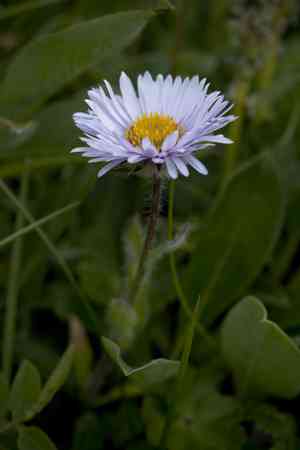
Large-flower fleabane (Erigeron grandiflorus)
Also known as: Large-flowered Fleabane
Erigeron grandiflorus is a flowering plant native to North America, commonly referred to as Rocky Mountain alpine fleabane or large-flowered fleabane.
In This Article
Attributes of Large-flower fleabane
Lifespan
Perennial
Plant Type
Herb, Shrub
Plant Height
Typically ranges from 30 to 60 cm (12 to 24 inches)
Spread
Not commonly specified, but the plant tends to form a loose rosette; therefore, diameter might be close to its height.
Leaf Color
Green
Flower Size
Around 3 to 5 cm (1 to 2 inches)
Flower Color
White, Pink, Violet
Images of Large-flower fleabane
Quickly Identify Large-flower fleabane
1
Identifying Erigeron grandiflorus involves looking for its characteristic large, daisy-like flowers with a central yellow disc and ray petals that range from white to pink or violet. The leaves are typically lance-shaped and arranged alternately along the stem.
Scientific Classification of Large-flower fleabane
Phylum
Vascular plants
Class
Dicotyledons
Order
Asterales
Family
Daisy
Genus
Fleabanes
Species
Large-flower fleabane
Planting and Growing of Large-flower fleabane
Care Difficulty
Easy
Watering Schedule
Every 3 days
Sunlight Requirements
Full sun
Sunshine Duration
4-8 hours
Ideal Temperature
60-70℉
Soil Type
Potting Mix, Peat Mix
Soil pH
6.5-7.5
Fertilizer Type
Balanced
Pruning Season
Spring, Summer
Pruning Area
Branches, Leaves
Pruning Frequency
2 times a year
Repotting Season
Spring
Pot Type
Plastic, Ceramic
 How to Water Large-flower fleabane?
Erigeron grandiflorus requires enough water to moisten the soil without causing it to become waterlogged. A general rule is about 200 milliliters of water per session, ensuring the moisture penetrates to the root zone but doesn't create soggy conditions.
What are the symptoms of an underwatered Large-flower fleabane?
›
What should I do if my Large-flower fleabane is not getting enough water?
›
What are the symptoms of an overwatered Large-flower fleabane?
›
How to save an overwatered Large-flower fleabane?
›
 What Are the Sunlight Requirements for Large-flower fleabane?
Partial to full sunlight is ideal. Adequate light encourages Erigeron grandiflorus to bloom prolifically, maintaining its vivid flower colors and robust health. Bright locations aid in photosynthesis and support sustained energy needs.
How much sunlight does Erigeron grandiflorus need?
›
What if my location is too shady?
›
What are the benefits of proper sunlight exposure?
›
 What Is the Ideal Temperature Range for Large-flower fleabane?
The ideal temperature range for cultivating Erigeron grandiflorus is between 60°F and 70°F. This range supports optimal growth and flowering, ensuring the plant's general health and vitality. Consistent temperatures within this range help maintain the metabolic processes necessary for its development.
 What Soil is Best for Large-flower fleabane?
Erigeron grandiflorus thrives in nutrient-rich soil that supplies essential minerals for robust growth. Ensuring the soil is well-amended with organic matter such as compost or well-rotted manure can greatly enhance its nutrient profile, promoting healthier foliage and vibrant blooms. This plant enjoys well-drained soil conditions that prevent stagnant water around the roots, reducing the risk of rot. Incorporating sand or grit into the planting medium can improve drainage, allowing roots to access oxygen more efficiently and helping the plant establish quickly. Erigeron grandiflorus appreciates soil that retains some moisture without becoming waterlogged. Mulching with organic materials, like bark chips or straw, can help preserve soil moisture, minimizing the need for frequent watering and reducing water stress during dry spells.
 How to Fertilize Large-flower fleabane?
When fertilizing Erigeron grandiflorus, ensure to use a balanced fertilizer at half the recommended strength for most flowering plants. A quarter teaspoon per gallon of water is often adequate, ensuring the nutrients are absorbed without overwhelming the plant's root system.
 How to Prune Large-flower fleabane?
To prune Erigeron grandiflorus, begin by removing any dead, diseased, or damaged stems near the base of the plant. Trim back excessively long stems to maintain the desired shape and remove any faded flowers during its blooming period to encourage new blooms. After pruning, apply a balanced fertilizer to provide nutrients for recovery and subsequent growth. Water the plant thoroughly to help establish the new growth and minimize stress from the pruning process.
More About Pruning Techniques→
 How to Propagate Large-flower fleabane plant?
1
Ensure the soil is well-draining and enriched with organic matter. Loose, nutrient-rich soil aids in root development and provides the necessary support and nutrients during the plant's initial growth phases.
2
Select a healthy, non-flowering stem from the parent plant, and cut a 4-6 inch section with at least a couple of leaves. Removing any flowers prevents energy diversion from root growth to flower maintenance.
3
Dig up established plants carefully and divide them with a clean, sharp tool, ensuring each division has sufficient roots and stems. Replant divisions quickly to reduce stress and encourage quick establishment.
 How to Repot Large-flower fleabane plant?
1
Erigeron grandiflorus, known for its charming flowers, needs repotting when you notice roots emerging from drainage holes or when its growth seems stunted. Spring or early summer is ideal, as the plant is in active growth and will quickly adapt to its new pot.
2
Select a pot with ample drainage holes to prevent waterlogging, slightly larger than the current one, providing 1-2 inches of space around the root ball. This allows roots to expand healthily without overwhelming the plant with excess soil.
3
Opt for a well-draining sandy mix, ensuring that excess water is swiftly dispelled. This type of soil mimics natural habitats, preventing root rot and promoting robust, healthy growth by allowing air to circulate freely.
Learn More About Large-flower fleabane Diseases
Anthracnose
Bacterial Leaf Spot
Bacterial Soft Rot
Bacterial Wilt
Black Spot
Chemical Injury
Crown Gall
Cyst Nematode
Damping-off
Downy Mildew
Drought Stress
Fusarium Wilt
Gray Mold
Leaf Curl
Leaf Spot
Mosaic
Nutrient Deficiency
Nutrient Toxicity
Powdery Mildew
Root Rot
Root-knot Nematode
Rusts
Sooty Mold
Spider Mites
Temperature Stress
Thrips Damage
White Mold



