How to Propagate Green rabbitbrush?
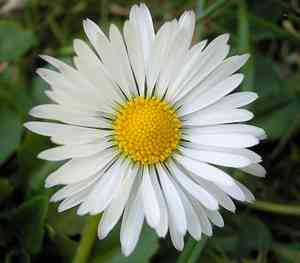
Green rabbitbrush flourishes when reproduced via cuttings. For successful propagation, choose a robust stem and make a cut at a node to facilitate superior root development. Place the cutting in a well-draining potting blend, ensuring it gets ample indirect illumination. Consistent misting will aid in preserving the required moisture levels without over-saturating the substrate. Typically, roots will form within several weeks, after which standard plant maintenance can recommence.
Optimal Time for Green Rabbitbrush Propagation
Propagation Method
Cutting
Propagation Period
Spring,Summer
Essential Tools for Green Rabbitbrush Propagation
Sharp, Clean Pruning Shears
These shears are crucial for obtaining precise and clean cuttings from green rabbitbrush. A clean cut helps prevent infections and increases the likelihood of successful rooting. The sharp blades minimize harm to the parent plant, promoting quicker recovery.
Rooting Hormone
This chemical compound stimulates root development from green rabbitbrush cuttings. It boosts the rooting success rate, leading to more efficient and effective propagation by encouraging faster root formation, which is vital for the health and stability of new plants.
Sterile Potting Mix
A sterile potting mix is necessary to provide a pathogen-free environment for new green rabbitbrush cuttings. Utilizing a well-draining, nutrient-rich substrate supports the initial growth phase by offering the required elements for root development while preventing common soil-borne diseases.
Plant Pots with Drainage Holes
These containers are used to house each cutting and ensure proper water drainage, which is critical for preventing root rot in green rabbitbrush. The drainage holes help regulate moisture levels, maintaining an ideal water balance within the soil.
Plastic Bags or a Propagation Dome
These items aid in creating a humid environment around green rabbitbrush cuttings, which encourages root growth. By maintaining higher humidity, these covers prevent excessive moisture loss from the foliage, ensuring the cuttings do not dry out before establishing roots.
How to Propagate Green Rabbitbrush?
Propagation Type
Moderately Difficult
How to Care for Your Newly Propagated Green Rabbitbrush?
How to Care for Your Newly Propagated Green Rabbitbrush?
Once rooted, transfer green rabbitbrush into individual containers with well-draining soil. Water sparingly, allowing the soil to dry between waterings. Provide ample sunlight and shield young plants from extreme temperatures. Lightly prune to maintain shape and encourage denser growth. Monitor for pests and diseases, and address any issues promptly.
Common Mistakes to Avoid When Propagating Green Rabbitbrush
Overwatering
Excessive watering during green rabbitbrush propagation can lead to root rot, severely hindering the plant's ability to establish a healthy root system. Too much moisture can create an oxygen-deprived environment around the roots, fostering fungal growth and decay.
Using non-draining containers
Propagating green rabbitbrush in containers without adequate drainage can cause water to accumulate at the bottom. This can result in similar issues as overwatering, such as root rot, which is detrimental to the plant's growth and overall health.
Excessive handling or disturbance
Frequent handling or disruption of green rabbitbrush during the rooting phase can damage delicate new roots, slowing down establishment and increasing plant stress, which can lead to lower survival rates.
Tips For Propagating Green Rabbitbrush
Proper soil mix
Using an appropriate well-draining soil mix is crucial for successful green rabbitbrush propagation. A blend of perlite, sand, and organic matter can facilitate adequate drainage and support healthy root development.
Moderate watering
Maintain consistent and moderate watering practices for green rabbitbrush. Ensure the soil is moist but never waterlogged to support root growth without causing detrimental waterlogging.
Gentle handling
Handle green rabbitbrush with care during transplantation to prevent root damage. Minimize disturbance to ensure a smoother transition and better rooting in the new environment.



