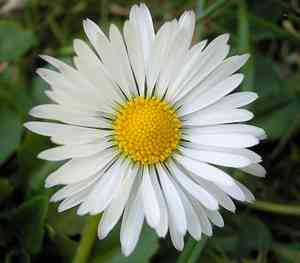
Green rabbitbrush (Ericameria teretifolia)
Also known as: Green Rabbitbrush, Terete-leaved Rabbitbrush
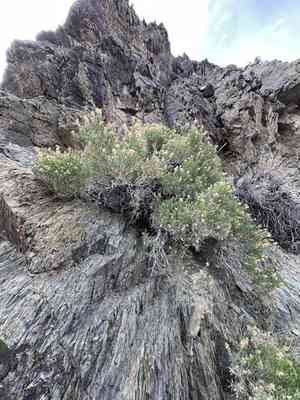
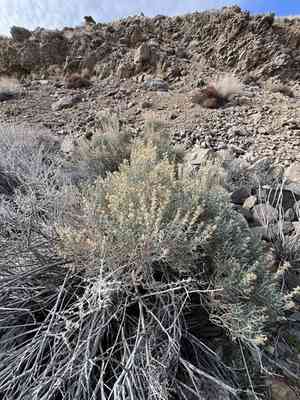
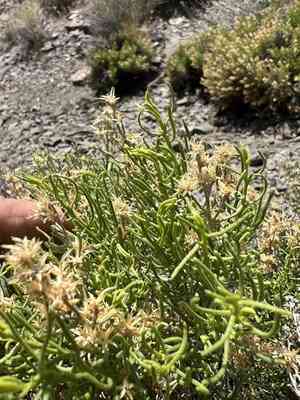
Ericameria teretifolia, also known as green rabbitbrush, is a shrub that can reach up to 1.5 meters in height. It features slender, needle-like leaves that are round in cross-section, a characteristic that gives the plant its name "teretifolia," meaning "with terete leaves." This shrub produces numerous small yellow flower heads, each consisting of 5-7 disc florets and lacking ray florets. It is commonly found in desert regions, thriving on flat plains, rocky slopes, and canyon walls.
In This Article
Attributes of Green rabbitbrush
Lifespan
Perennial
Plant Type
Shrub
Plant Height
30-100 cm
Spread
40-120 cm
Leaf Color
Green
Flower Size
0.3-0.5 cm
Flower Color
Bright yellow
Images of Green rabbitbrush
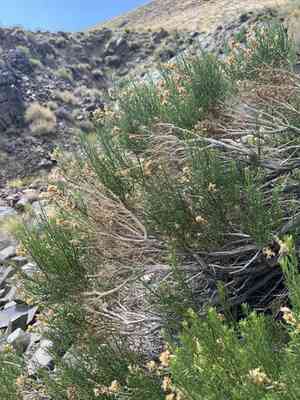
Quickly Identify Green rabbitbrush
1
Identifiable by its narrow, cylindrical leaves, bright yellow flowers arranged in clusters at the ends of branches, and its small, greenish stems.
Scientific Classification of Green rabbitbrush
Phylum
Vascular plants
Class
Dicotyledons
Order
Asterales
Family
Daisy
Genus
Goldenbushes
Species
Green rabbitbrush
Planting and Growing of Green rabbitbrush
Care Difficulty
Easy
Watering Schedule
Every 2 days
Sunlight Requirements
Full sun
Sunshine Duration
4-6 hours
Ideal Temperature
60-75℉
Soil Type
Potting Mix, Peat Mix
Soil pH
6.5-7.5
Fertilizer Type
Balanced
Pruning Season
Spring, Summer
Pruning Area
Branches, Leaves
Pruning Frequency
2 times a year
Repotting Season
Spring
Pot Type
Plastic, Ceramic
 How to Water Green rabbitbrush?
For Ericameria teretifolia, the rule of thumb is to water deeply but infrequently. About 300 milliliters should be sufficient each time, ensuring the soil is adequately moist without becoming waterlogged. It's essential to let the soil dry out completely between watering sessions to mimic its native arid environment.
What are the symptoms of an underwatered Green rabbitbrush?
›
What should I do if my Green rabbitbrush is not getting enough water?
›
What are the symptoms of an overwatered Green rabbitbrush?
›
How to save an overwatered Green rabbitbrush?
›
 What Are the Sunlight Requirements for Green rabbitbrush?
Ericameria teretifolia thrives in full sun conditions. Ideal light exposure ensures robust photosynthesis, leading to vigorous growth, abundant flowering, and increased resilience against environmental stressors and pest infestations.
Why does Ericameria teretifolia prefer full sun?
›
How can I ensure Ericameria teretifolia gets enough sunlight?
›
What benefits does Ericameria teretifolia gain from ideal sunlight conditions?
›
 What Is the Ideal Temperature Range for Green rabbitbrush?
Ericameria teretifolia thrives in temperatures between 60°F and 75°F. This range provides the optimal conditions for photosynthesis and nutrient uptake, ensuring healthy growth. Maintaining this temperature range is crucial to avoid stressing the plant and to ensure optimal flowering and foliage development.
 What Soil is Best for Green rabbitbrush?
Ericameria teretifolia thrives in soils that allow excess water to drain away quickly. This preference prevents root rot and ensures the plant has access to both oxygen and nutrients essential for its growth. Though Ericameria teretifolia is adaptable to poor soils, it benefits from a soil that is enriched with some organic matter, supporting robust growth and vibrant foliage. While drought-tolerant, Ericameria teretifolia responds well to moderate soil moisture levels, facilitating optimal nutrient uptake and sustaining plant vigor during dry seasons.
 How to Fertilize Green rabbitbrush?
For Ericameria teretifolia, the fertilizer amount should be moderate. Use around one tablespoon of liquid fertilizer per gallon of water for liquid fertilizers, and approximately half a pound per 50 square feet of growing space for slow-release fertilizers. Ensure that the fertilizer does not contact the plant stems directly to prevent burning.
 How to Prune Green rabbitbrush?
Start by clearing the area of debris and any fallen leaves around the base to ensure you can see the entire structure of the plant. This helps in assessing which branches require pruning. Begin by identifying any dead, diseased, or damaged branches that need removal. These branches should be the first to go to prevent further harm to the plant. Look for areas where the branches appear long and spindly. Pruning these parts back will encourage bushier, more robust growth. Trim back branches to maintain the plant’s natural shape but avoid a too tight haircut that could stunt future growth. Keep the plant balanced and open for light penetration. After major cuts, perform a final inspection for any small, crossing branches or oddly growing shoots. Keep the plant tidy and ensure air can circulate freely.
More About Pruning Techniques→
 How to Propagate Green rabbitbrush plant?
1
Begin by filling your seed trays with a well-draining substrate. Sow Ericameria teretifolia seeds on the surface and lightly cover them with a thin layer of substrate. Mist lightly and keep the trays in a warm, well-lit area.
2
Select healthy, non-flowering stems from the parent plant. Cut sections approximately 4-6 inches long. Remove the lower leaves, leaving a couple at the top. Dip the base in rooting hormone to enhance root development.
3
Insert the prepared cuttings into a pot filled with a moist, well-draining mix. Ensure the leaves are not in contact with the substrate. Place them in a warm area, avoiding direct sunlight, and keep the substrate consistently moist.
 How to Repot Green rabbitbrush plant?
1
Ericameria teretifolia should be repotted when you notice that it is outgrowing its current pot, with roots appearing through the drainage holes. Spring and autumn are the best times as the plant is not under extreme environmental stress and can recover more easily.
2
Select a pot that is one size larger than the current one with adequate drainage holes. A pot that is too large may increase the risk of root rot due to moisture retention, while a well-fitted pot supports healthy root development and optimal growth.
3
Choosing a well-draining sandy soil mix is crucial for Ericameria teretifolia. This type of soil prevents water logging and mimics the plant’s native desert-like conditions, ensuring the roots receive proper aeration and reducing the risk of diseases.
Learn More About Green rabbitbrush Diseases
Anthracnose
Bacterial Leaf Spot
Bacterial Wilt
Black Spot
Chemical Injury
Crown Gall
Cyst Nematode
Damping-off
Downy Mildew
Drought Stress
Fusarium Wilt
Gray Mold
Leaf Curl
Leaf Spot
Mosaic
Nutrient Deficiency
Nutrient Toxicity
Powdery Mildew
Root Rot
Root-knot Nematode
Rusts
Sooty Mold
Spider Mites
Temperature Stress
Thrips Damage
White Mold



