How to Propagate Marsh helleborine?
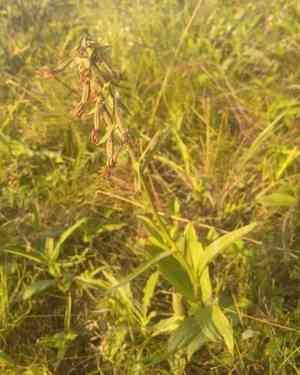
Marsh helleborine flourishes most effectively when multiplied via separation, a technique highly compatible with its developmental patterns. To achieve successful multiplication, meticulously separate the root mass during its inactive phase to guarantee minimal strain on the specimen. This strategy fosters robust root structures and guarantees a high rate of survival following transplantation. Prioritize preserving soil texture and hydration levels akin to its native wetland environment to assist in the prosperous establishment of new specimens.
Optimal Period for Marsh Helleborine Propagation
Propagation Method
Division
Propagation Season
Spring,Autumn
Tools Utilized in Marsh Helleborine Propagation
Sharp Knife or Scalpel
This instrument is vital for making clean cuts through the rhizomes or roots of marsh helleborine during the division process. A sharp blade ensures precise incisions, minimizing harm to plant tissues, which is crucial for preventing disease and promoting rapid healing and regrowth.
Sterilizing Agent (e.g., Isopropyl Alcohol or Bleach Solution)
Used to sanitize cutting implements before and after use, this agent prevents the transmission of pathogens between plants. For marsh helleborine, which can be susceptible to infections, maintaining sterile tools is essential for successful propagation.
Watering Can with a Fine Rose
Following division, marsh helleborine requires delicate watering to help settle the soil around the roots without causing erosion or disruption. A watering can with a fine rose attachment delivers a soft, rain-like spray that adequately moistens the soil without dislodging the newly planted divisions.
Rooting Hormone (Optional)
Applying rooting hormone to the cut surfaces of marsh helleborine's roots can improve root development and establishment in new locations. While not always necessary, this can be particularly beneficial when root health is compromised or when propagating older specimens.
Labels and Permanent Marker
Accurately labeling each division of marsh helleborine with the date and any pertinent details ensures precise monitoring of growth progress and health. Labels are critical for tracking the success of propagation efforts and any treatment applications.
How to Propagate Marsh Helleborine?
Propagation Type
Easy
Caring for Your Newly Propagated Marsh Helleborine
Caring for Your Newly Propagated Marsh Helleborine
After propagation, maintain a high humidity environment for marsh helleborine and keep the soil consistently moist. Protection from extreme temperatures and direct sunlight is vital. Gradually acclimate the plant to less protected conditions if moving outdoors. Regularly check for signs of stress or disease and address promptly to ensure healthy growth.
Common Errors to Avoid When Propagating Marsh Helleborine
Over-watering
Propagating marsh helleborine demands careful water management. Excessive watering can lead to root rot, which hinders the plant's ability to absorb nutrients and thrive. This condition often results in wilting and eventual death of the plant.
Insufficient light
While marsh helleborine prefers shaded environments, too little light can impede growth and prevent flowering. This underexposure can cause weak, elongated stems and poor overall health.
Using inappropriate soil
Marsh helleborine flourishes in specific soil types, particularly well-draining soil rich in organic matter. Using dense or clay-heavy soil can restrict root growth and disrupt proper drainage, negatively impacting the plant's health.
Advice for Propagating Marsh Helleborine
Maintain high humidity
To successfully propagate marsh helleborine, ensure a high humidity environment. This mimics their natural marshy habitats, supporting healthier growth and aiding seedling establishment.
Gentle handling during division
When propagating marsh helleborine through division, handle the roots delicately to prevent damage. Root trauma can significantly hinder growth or lead to plant death.
Use antifungal treatments
Since marsh helleborine is susceptible to fungal infections, especially in humid conditions, applying a gentle antifungal treatment can prevent diseases like root rot. This keeps the plant healthy and viable during the vulnerable stages of propagation.



