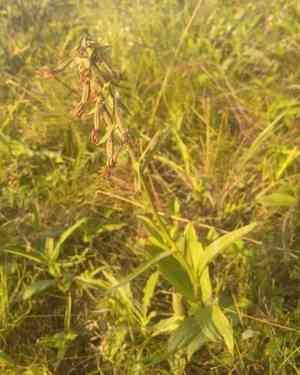
Marsh helleborine (Epipactis palustris)
Also known as: Marsh Helleborine
The Latin name for the marsh helleborine is *Epipactis palustris*. This name can be loosely translated as "growing in marshes," reflecting its preferred wetland habitat. Its attractive flowers make it a popular choice for cottage gardens and areas near water features like streams and ponds. Additionally, it serves as a valuable plant for wildlife, with deer often feeding on it.
In This Article
Attributes of Marsh helleborine
Lifespan
Perennial
Plant Type
Herb
Plant Height
30 cm to 61 cm
Spread
1.5 m
Leaf Color
Green
Flower Size
2.5 cm to 5 cm
Flower Color
White Purple Pink Red Brown
Images of Marsh helleborine
Quickly Identify Marsh helleborine
1
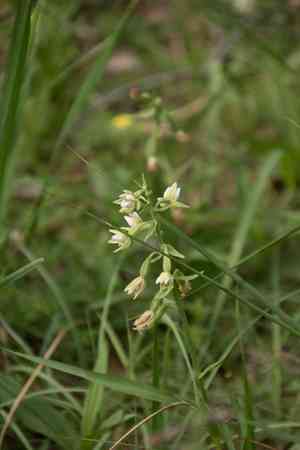
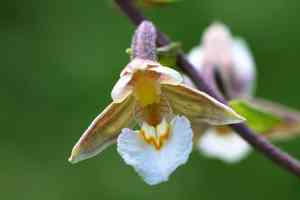
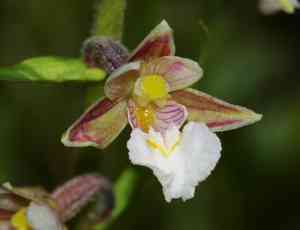
This plant can be identified by its lanceolate leaves, spread in two ranks along the stem, and its raceme of attractive, pinkish-brown and white flowers. The flowers are distinctive with a three-lobed lip.
Scientific Classification of Marsh helleborine
Phylum
Vascular plants
Class
Monocotyledons
Order
Asparagales
Family
Orchid
Genus
Helleborines
Species
Marsh helleborine
Planting and Growing of Marsh helleborine
Care Difficulty
Hard
Watering Schedule
Every 8 days
Sunlight Requirements
Partial sun
Sunshine Duration
4-8 hours
Ideal Temperature
64-77℉
Soil Type
Potting Mix, Peat Mix
Soil pH
6.5-7.5
Fertilizer Type
Balanced
Pruning Season
Spring, Summer
Pruning Area
Branches, Leaves
Pruning Frequency
2 times a year
Repotting Season
Spring
Pot Type
Plastic, Ceramic
 How to Water Marsh helleborine?
Epipactis palustris thrives in consistently moist conditions, earning its repute as a marsh orchid. Watering should replicate its natural habitat, ensuring the soil remains continuously damp but not waterlogged. Approximately 300 ml per session helps maintain optimal moisture levels without suffocating the roots.
What are the symptoms of an underwatered Marsh helleborine?
›
What should I do if my Marsh helleborine is not getting enough water?
›
What are the symptoms of an overwatered Marsh helleborine?
›
How to save an overwatered Marsh helleborine?
›
 What Are the Sunlight Requirements for Marsh helleborine?
Epipactis palustris ideally grows in partial to full sunlight conditions, getting 4 to 6 hours of sun daily. This light range supports optimal photosynthesis, enabling strong growth and abundant blooming.
More About Sunlight Requirements Techniques→
What kind of sunlight does Epipactis palustris prefer?
›
How can you provide ideal lighting for Epipactis palustris?
›
What are the benefits of ideal lighting for Epipactis palustris?
›
 What Is the Ideal Temperature Range for Marsh helleborine?
For optimal growth, Epipactis palustris thrives best in temperatures ranging from 64°F to 77°F. This range supports the plant's metabolic processes and ensures vibrant blossoming. Within this range, the plant can efficiently conduct photosynthesis, maintain its structural integrity, and resist potential diseases commonly associated with fluctuating temperatures.
 What Soil is Best for Marsh helleborine?
Epipactis palustris thrives in soil that can retain adequate moisture. This characteristic allows the plant to absorb necessary water without being waterlogged, ensuring healthy growth. Rich in organic matter, the soil provides essential nutrients aiding in the plant's vigorous growth and flowering. Organic matter also improves soil structure, enhancing root development. Good drainage is crucial for Epipactis palustris to prevent root rot. Well-drained soil ensures that excess water flows away, creating an optimal environment for the plant's roots.
 How to Fertilize Marsh helleborine?
For Epipactis palustris, apply liquid fertilizer at a concentration of 1/4 strength to prevent over-fertilization. This means if the regular recommendation is 1 tablespoon per gallon, use just 1 teaspoon per gallon.
 How to Prune Marsh helleborine?
Begin by removing spent flower spikes after flowering has ended to prevent the plant from wasting energy on seed production. Use sharp, sterilized scissors or pruning shears to make clean cuts just above a node or basal rosette to encourage regrowth.
More About Pruning Techniques→
 How to Propagate Marsh helleborine plant?
1
Harvest seeds from mature Epipactis palustris plants when capsules turn brown and begin to split. Sow the seeds on the surface of a moist, well-drained seed mix in trays. Cover the seeds lightly with a fine layer of compost to ensure they are not displaced during watering.
2
Choose a healthy, mature plant for division during the early spring when new growth has just started. Use a garden spade to dig up the plant carefully. Separate the rhizomes by hand, ensuring each division has several shoots and healthy roots, then replant them in prepared soil.
3
After sowing seeds or planting divisions, maintain a consistent watering routine to keep the soil moist but not waterlogged. Provide a sheltered environment with indirect sunlight until the young plants establish and are ready for more sun exposure.
 How to Repot Marsh helleborine plant?
1
Epipactis palustris needs repotting when you see roots growing out of the drainage holes or when the plant's growth seems stunted. Another good indicator is when the soil becomes compact and doesn't retain moisture well. These signals typically occur every two years, which is the optimal repotting frequency.
2
Select a pot that is one size up from the current one, allowing room for root growth but not too large to prevent excessive moisture retention. A pot with ample drainage holes is crucial to mimic its natural marshy environment while avoiding waterlogging, which is critical for its health.
3
Choose a soil mix that retains moisture yet drains well. A combination of loamy soil with added organic matter like peat or sphagnum moss is ideal. This blend offers the right balance by holding moisture for nutrient absorption while preventing root rot, essential for its ecological adaptation.
Learn More About Marsh helleborine Diseases
Anthracnose
Bacterial Leaf Spot
Bacterial Soft Rot
Crown Gall
Cyst Nematode
Damping-off
Downy Mildew
Drought Stress
Fusarium Wilt
Gray Mold
Leaf Spot
Mosaic
Nutrient Deficiency
Nutrient Toxicity
Powdery Mildew
Root Rot
Root-knot Nematode
Rusts
Sooty Mold
Spider Mites
Temperature Stress
Thrips Damage
White Mold



