How to Propagate Yellow willowherb?
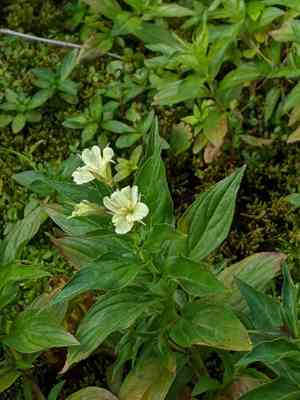
Yellow willowherb displays attractive yellow blossoms and flourishes optimally in damp, adequately drained soil under conditions ranging from partial to full sunlight. Reproduction is achieved by planting seeds in a regulated setting. For effective sprouting, it is essential to maintain continuous soil moisture and supply mild warmth. Periodically observe for any developing sprouts and relocate them to their permanent spot once they are sufficiently robust.
Optimal Period for Yellow Willowherb Propagation
Propagation Method
Seeding
Propagation Period
Spring
Essential Tools for Yellow Willowherb Propagation
Seed Trays
Seed trays are vital for starting yellow willowherb seeds. They offer a controlled setting for sprouting and initial development, ensuring delicate seedlings have sufficient room and nutrients.
Seedling Compost
Premium seedling compost provides an ideal balance of nutrients and air circulation. It is crucial for the initial growth phases of yellow willowherb, promoting robust root formation.
Garden Trowel
A garden trowel is utilized for managing soil and compost. It aids in filling seed trays and relocating seedlings when they are prepared for larger containers or the garden, minimizing root disturbance.
Watering Can with Fine Rose
A watering can equipped with a fine rose is important for gentle irrigation. It prevents soil disruption and harm to young yellow willowherb seedlings, maintaining consistent moisture.
Humidity Dome
A humidity dome retains moisture and creates a stable, humid environment. This condition is advantageous for the germination stage of yellow willowherb, encouraging quicker and more uniform seed sprouting.
Heating Mat
A heating mat positioned beneath seed trays can maintain optimal soil temperature. This tool is especially useful for yellow willowherb during colder months or in cooler climates to ensure successful germination.
Plant Labels
Plant labels assist in tracking various sowing dates and batches. Accurate labeling is essential for organizing and managing multiple batches of yellow willowherb, ensuring proper care and monitoring.
Steps to Propagate Yellow Willowherb
Propagation Difficulty
Simple
Post-Propagation Care for Yellow Willowherb
Post-Propagation Care for Yellow Willowherb
Once seedlings are established, gradually introduce them to outdoor conditions. Transfer seedlings into individual pots or directly into the garden when they are large enough to handle. Water regularly and ensure they receive adequate sunlight. Protect young plants from pests and harsh weather to encourage healthy growth.
Common Errors to Avoid During Yellow Willowherb Propagation
Incorrect Soil Type
Using soil that lacks proper drainage can lead to root rot and poor plant development.
Overwatering
Excessive watering can result in root rot and fungal infections, which are detrimental to successful propagation.
Insufficient Sunlight
Placing cuttings in low-light conditions can impede root formation and overall growth.
Improper Handling of Cuttings
Cutting plants at incorrect angles or using dull tools can damage plant tissue, reducing propagation success.
Neglecting Humidity Levels
Failing to maintain adequate humidity around cuttings can cause them to dry out and fail to develop roots.
Tips for Propagating Yellow Willowherb
Use Well-Draining Soil
Selecting a blend of sand, peat, and perlite ensures excess water drains away, reducing the risk of root rot.
Moderate Watering
Water cuttings just enough to keep the soil slightly moist, avoiding waterlogging.
Bright, Indirect Light
Position cuttings in a location with ample indirect sunlight to promote healthy growth and root development.
Clean, Sharp Tools
Use sterilized, sharp cutting tools to make clean cuts and prevent infection or damage to plant tissue.
Maintain Humidity
Cover cuttings with a plastic dome or place them in a humidity-controlled environment to prevent drying out and encourage rooting.



