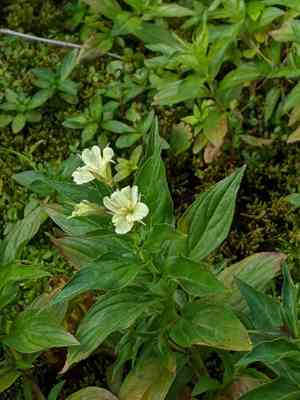
Yellow willowherb (Epilobium luteum)
Also known as: Yellow Willowherb
The yellow willowherb is a perennial plant that favors moist, open environments. It is characterized by its yellow, bell-shaped flowers and slender stems, which can grow quite tall, attracting pollinators. This plant flourishes in sunny, damp conditions, and its ability to thrive in variable water availability highlights its adaptability. The vivid yellow flowers act as a magnet for bees, promoting effective pollination and ensuring the plant's reproductive success.
In This Article
Attributes of Yellow willowherb
Lifespan
Perennial
Plant Type
Herb
Plant Height
20 cm to 89 cm
Spread
Not applicable
Leaf Color
Green
Flower Size
1-2 cm
Flower Color
Yellow
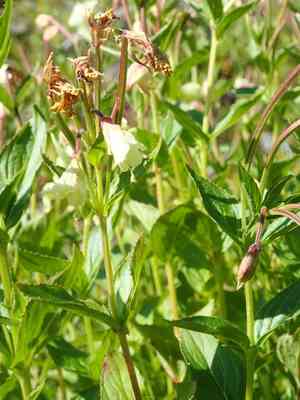
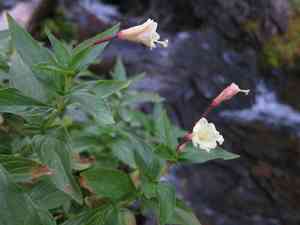
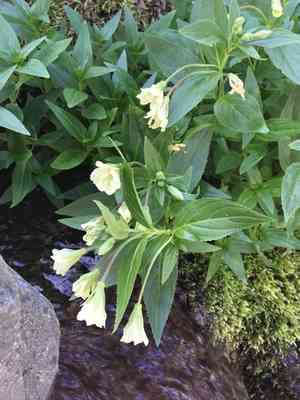
Images of Yellow willowherb
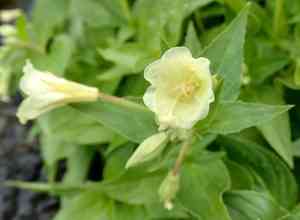
Quickly Identify Yellow willowherb
1
Epilobium luteum can be identified by its bright yellow flowers, alternate leaves, and typically grows in wet or marshy areas. The flowers have four petals and are quite noticeable against the green foliage.
Scientific Classification of Yellow willowherb
Phylum
Vascular plants
Class
Dicotyledons
Order
Myrtales
Family
Evening primrose
Genus
Willowherbs
Species
Yellow willowherb
Planting and Growing of Yellow willowherb
Care Difficulty
Easy
Watering Schedule
Every 3 days
Sunlight Requirements
Partial sun
Sunshine Duration
6-10 hours
Ideal Temperature
60-70℉
Soil Type
Potting Mix, Peat Mix
Soil pH
6.5-7.5
Fertilizer Type
Balanced
Pruning Season
Spring, Summer
Pruning Area
Branches, Leaves
Pruning Frequency
2 times a year
Repotting Season
Spring
Pot Type
Plastic, Ceramic
 How to Water Yellow willowherb?
When watering Epilobium luteum, it’s important to soak the soil evenly without waterlogging it. Aim for about 200 ml each session, allowing the top inch of soil to dry out between waterings. This ensures deeper roots and consistent moisture levels, crucial for healthy growth.
What are the symptoms of an underwatered Yellow willowherb?
›
What should I do if my Yellow willowherb is not getting enough water?
›
What are the symptoms of an overwatered Yellow willowherb?
›
How to save an overwatered Yellow willowherb?
›
 What Are the Sunlight Requirements for Yellow willowherb?
Epilobium luteum benefits from partial sun, enjoying 4 to 6 hours of filtered to indirect sunlight daily. This light range supports its blooming potential and keeps its foliage vibrant while preventing stress from overheating.
What is the ideal type of sunlight for Epilobium luteum?
›
How can I manage the sunlight exposure for my plant?
›
What benefits does ideal lighting provide for Epilobium luteum?
›
 What Is the Ideal Temperature Range for Yellow willowherb?
The ideal temperature range for cultivating Epilobium luteum is between 60°F and 70°F. Within this range, the plant can adequately perform photosynthesis, maintain healthy respiration rates, and ensure robust cellular functions. An environment that sustains these temperatures typically supports optimum metabolic activity, encouraging proper growth and flowering. The relative stability of temperatures in this range avoids stress on the plant, promoting a more vigorous and resilient development.
 What Soil is Best for Yellow willowherb?
Epilobium luteum thrives in well-draining soils to prevent root rot. Well-drained soil allows the plant roots to access air and nutrients effectively. While good drainage is essential, the soil should also retain some moisture to support Epilobium luteum's growth during dry spells. A nutrient-rich soil provides ample nutrients for Epilobium luteum, promoting healthy growth and vibrant blooms.
 How to Fertilize Yellow willowherb?
Epilobium luteum requires a moderate amount of fertilizer. Use about half of the recommended dose on the package to avoid overfeeding. Adjust based on plant response and health.
 How to Prune Yellow willowherb?
To prune Epilobium luteum, wait until the end of spring after it has bloomed. Use sharp, clean shears to cut back the stems by one-third, focusing on the oldest and tallest stems. This helps rejuvenate the plant and promote dense growth. Remove any dead or damaged stems to keep the plant healthy. Be sure to prune just above a leaf node, which encourages new shoots to emerge.
More About Pruning Techniques→
 How to Propagate Yellow willowherb plant?
1
Harvest mature seeds from the plant by allowing seed pods to dry on the plant itself. Collect and clean them carefully to make sure they’re free from debris or mold.
2
Cut a healthy stem section with at least two leaf nodes using sharp pruning shears. Remove any flowers and lower leaves to reduce transpiration and enhance rooting success.
3
Carefully uproot the plant and separate it into sections, ensuring each section has roots attached. Replant the divided sections promptly in prepared soil to reduce transplant shock.
 How to Repot Yellow willowherb plant?
1
Epilobium luteum should be repotted when you notice root crowding at the pot's bottom or stunted growth. Spring is the best time for this process. During this season, the plant is actively growing, allowing it to quickly adapt to a new pot and soil conditions.
2
Select a pot that is no more than 2 inches larger in diameter than the current one. It should have ample drainage holes to prevent waterlogging. Using a pot that is too large can retain excessive moisture, leading to root rot. The right size ensures the plant uses the available space efficiently.
3
Opt for a well-draining, loamy soil mix that provides good aeration and moisture retention. This type of soil prevents waterlogging, which can cause root rot, and ensures the roots have the oxygen they need to thrive. Adding perlite or coarse sand can improve drainage further.
Learn More About Yellow willowherb Diseases
Anthracnose
Bacterial Leaf Spot
Bacterial Soft Rot
Bacterial Wilt
Chemical Injury
Damping-off
Downy Mildew
Drought Stress
Fusarium Wilt
Gray Mold
Leaf Spot
Mosaic
Nutrient Deficiency
Nutrient Toxicity
Powdery Mildew
Root Rot
Root-knot Nematode
Rusts
Sooty Mold
Spider Mites
Temperature Stress
Thrips Damage
White Mold



