How to Propagate Pyp grass?
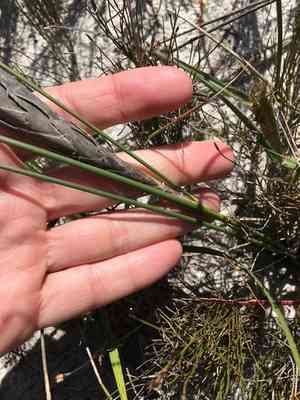
Pyp grass flourishes in sandy, seaside substrates, exhibiting robust resistance to saline environments. For propagation via division, choose vigorous, established clusters and gently divide them, making sure root systems are evenly distributed. Immediately replant the divisions in soil that drains effectively, preserving steady hydration. While drought-resistant, nascent divisions benefit from consistent irrigation. Confirm they obtain ample to moderate sunlight for peak development. Applying organic ground cover can aid in preserving soil dampness and deterring weed proliferation.
When Is the Best Time to Propagate Pyp Grass?
Propagation Type
Splitting
Propagation Season
Spring,Fall
What Tools Are Used in Pyp Grass Propagation?
Sharp Spade
A keen-edged spade is crucial for cleanly dividing pyp grass clumps. Its precise cut minimizes root trauma and ensures each segment retains a healthy portion of roots and shoots.
Garden Fork
A garden fork is useful for loosening the soil around pyp grass to gently lift the clumps without causing undue stress to the plant's root system.
Pruning Shears
Pruning shears aid in trimming away any dead or damaged foliage post-division, fostering healthier, vigorous growth in each separated clump.
Buckets or Containers
Buckets or containers are necessary to temporarily hold pyp grass divisions, keeping roots moist and reducing transplant shock until replanting.
Watering Can
A watering can with a fine rose delivers gentle irrigation to newly planted pyp grass divisions, ensuring hydration without displacing soil or harming delicate roots.
Root Hormone Powder
Root hormone powder can boost the development of new roots in pyp grass divisions, increasing the success rate of the propagation process.
Mulch
Mulch is vital for retaining soil moisture and suppressing weeds around newly planted pyp grass divisions, aiding in their establishment and growth.
How to Propagate Pyp Grass?
Propagation Type
Simple
How to Care for Your Newly Propagated Pyp Grass?
How to Care for Your Newly Propagated Pyp Grass?
Post-propagation, ensure pyp grass receives consistent watering, especially during its establishment phase. Maintain consistently moist, but not waterlogged, soil. Provide the plant with full sun to partial shade. Monitor for pests and diseases, treating promptly if issues arise. Regularly check and refresh the mulching layer as needed to maintain soil moisture and prevent weed growth. With proper care, pyp grass will flourish and develop into a robust clump.
Common Mistakes to Avoid When Propagating Pyp Grass
Overwatering
Excessive moisture can lead to root rot and fungal diseases. Pyp grass prefers moderately dry conditions, and too much water can suffocate the roots.
Poor Soil Drainage
Using soil that retains too much moisture can harm pyp grass. Inadequate drainage hinders root development and promotes pathogen growth.
Insufficient Sunlight
Lack of sunlight impedes the growth of pyp grass. This plant requires ample sunlight to thrive; insufficient light results in weak, leggy growth.
Improper Seed Handling
Planting seeds too deeply or failing to keep them moist initially can result in low germination rates for pyp grass. Seeds need proper care to germinate successfully.
Ignoring Pest Control
Neglecting to manage pests like aphids and snails can lead to significant damage. Pest infestation weakens pyp grass, making it more susceptible to diseases.
Tips For Propagating Pyp Grass
Optimal Watering
Water pyp grass sparingly, allowing the soil to dry between waterings. Consistent overwatering should be avoided to prevent root-related issues.
Well-Draining Soil
Utilize well-draining soil to support healthy root development. Incorporating sand or perlite can enhance soil drainage.
Adequate Sunlight
Position pyp grass in a location where it receives full sunlight for most of the day. This ensures robust and healthy growth.
Seed Handling
Sow pyp grass seeds on the surface and cover lightly with soil. Keep them consistently moist until germination occurs, which typically takes a couple of weeks.
Pest Management
Regularly inspect pyp grass for pests and take immediate action if any are found. Use organic or chemical pest control as needed to maintain plant health.



