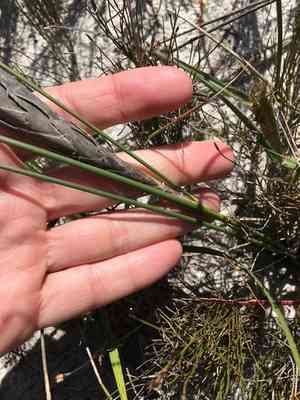
Pyp grass (Ehrharta villosa)
Also known as: Sandveld grass
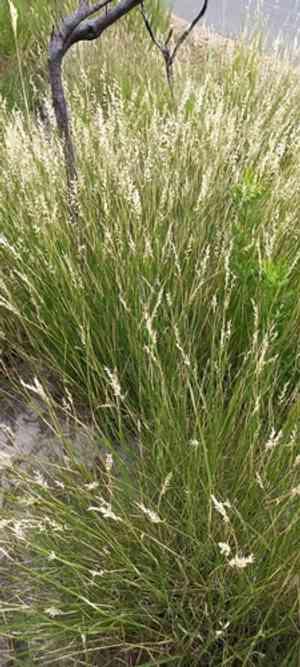
Pyp grass, known scientifically as Eragrostis curvula, is notable for its tufted growth pattern and fine, hairy leaves that contribute to its hardiness in arid conditions. Its elongated stems rise tall, displaying loosely arranged seed heads that facilitate wind dispersal. This perennial species exhibits remarkable adaptability to various environments, highlighting its robust flexibility. Flowering predominantly takes place during warmer seasons, adding a gentle visual appeal to its habitat.
In This Article
Attributes of Pyp grass
Lifespan
Perennial
Plant Type
Grass
Plant Height
0.5 to 1 meter
Spread
Not applicable
Leaf Color
Green
Flower Size
1 to 2 cm
Flower Color
Yellowish or purplish
Images of Pyp grass
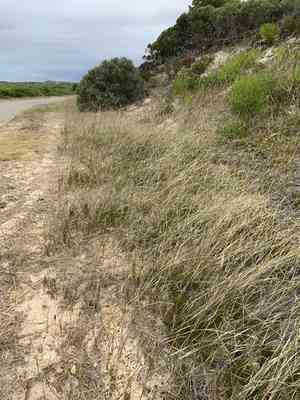
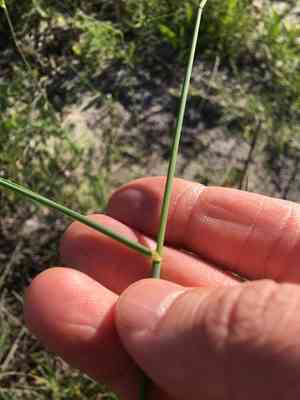
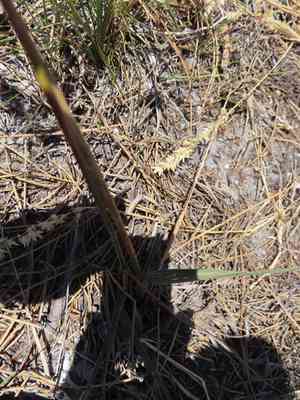
Quickly Identify Pyp grass
1
This grass can be identified by its tufted growth habit, slender stems, and fine, soft leaves. It often has a distinctive sand-binding capability due to its extensive root system.
Scientific Classification of Pyp grass
Phylum
Vascular plants
Class
Monocotyledons
Order
Poales
Family
Grass
Genus
Ehrharta
Species
Pyp grass
Planting and Growing of Pyp grass
Care Difficulty
Moderate
Watering Schedule
Every 2 days
Sunlight Requirements
Partial sun
Sunshine Duration
4-6 hours
Ideal Temperature
60-75℉
Soil Type
Potting Mix, Peat Mix
Soil pH
6.5-7.5
Fertilizer Type
Balanced
Pruning Season
Spring, Summer
Pruning Area
Branches, Leaves
Pruning Frequency
2 times a year
Repotting Season
Spring
Pot Type
Plastic, Ceramic
 How to Water Pyp grass?
Ehrharta villosa thrives with occasional watering because it is adapted to sandy, well-drained conditions. It requires 250 ml of water per watering session. The key is to avoid saturating the soil; it should be moist but not waterlogged, mimicking the plant's natural arid environment.
What are the symptoms of an underwatered Pyp grass?
›
What should I do if my Pyp grass is not getting enough water?
›
What are the symptoms of an overwatered Pyp grass?
›
How to save an overwatered Pyp grass?
›
 What Are the Sunlight Requirements for Pyp grass?
Partial sun ensures Ehrharta villosa experiences optimal growth, encouraging robust health and maintaining vibrant leaf color, vital for its photosynthetic activities.
Solution
›
Specific Measures
›
Effect of Ideal Lighting
›
 What Is the Ideal Temperature Range for Pyp grass?
Ehrharta villosa thrives in moderate temperature conditions, ideally between 60°F to 75°F. This range provides an optimal environment for photosynthesis and other metabolic processes that promote healthy growth and development. Maintaining this temperature range will ensure that the plant remains vigorous and resilient against environmental stresses.
 What Soil is Best for Pyp grass?
Ehrharta villosa thrives in well-drained soils that allow air circulation and prevent waterlogging. Such conditions are crucial for root health and help avoid root rot, fostering vigorous plant growth. This plant benefits from soils with moderate nutrient levels. An overly rich soil might encourage excessive leaf growth, detracting energy from seed and flower production, which is important for its reproductive success. The sandy texture allows for easy penetration of roots and facilitates better drainage. This is particularly beneficial for Ehrharta villosa, which is adapted to less dense substrates and thrives in open sandy areas.
 How to Fertilize Pyp grass?
For Ehrharta villosa, use a balanced liquid fertilizer diluted to half strength, about 10-20 ml per liter of water. It's important to avoid over-fertilizing as this grass is well-suited to nutrient-poor environments.
 How to Prune Pyp grass?
Begin by identifying any dead or damaged leaves on your Ehrharta villosa. These parts are usually darker or wilted and should be removed first to ensure the plant's energy is focused on healthy growth. When trimming the plant, make clean cuts just above a leaf node or bud. This encourages new growth at the cut site. Avoid cutting too close to the node, or the bud might not grow properly. Prune to shape the plant according to the desired look, ensuring a natural appearance. Remove any wayward stems that stray from the main plant body, maintaining its overall form and size. After pruning, make sure to clean up all clippings and dispose of them properly. Leaving them around the base of the plant can attract pests and create a breeding ground for diseases.
More About Pruning Techniques→
 How to Propagate Pyp grass plant?
1
Sow the seeds on the surface of the sterile potting mix in seed trays. Do not cover them too deeply as they require light to germinate. Lightly press them onto the surface to ensure contact with the soil.
2
Mist the seeds lightly with water to keep the soil consistently moist but not waterlogged. A spray bottle is ideal for this purpose to avoid disturbing the seeds.
3
Place the seed trays in a location with ample light, preferably near a south-facing window or under grow lights. Seeds of Ehrharta villosa need sufficient light to encourage germination and growth.
 How to Repot Pyp grass plant?
1
Repot Ehrharta villosa when you notice roots peeking through the drainage holes or if the plant has visibly outgrown its current container. Repotting in Spring or Summer provides the plant with optimal growing conditions to recover and establish itself in the new pot.
2
Select a pot that is just one size larger than the current one to avoid excessive soil moisture that can lead to root rot. A clay pot is ideal since it allows for better air exchange and moisture evaporation, creating a healthier environment for Ehrharta villosa.
3
Opt for a well-draining sandy soil mix, as it mimics the plant's natural habitat and prevents waterlogging, which could harm the roots. This type of soil encourages healthy root growth and ensures proper aeration.
Learn More About Pyp grass Diseases
Anthracnose
Bacterial Leaf Spot
Bacterial Soft Rot
Bacterial Wilt
Chemical Injury
Cyst Nematode
Damping-off
Downy Mildew
Drought Stress
Fusarium Wilt
Gray Mold
Leaf Spot
Mosaic
Nutrient Deficiency
Nutrient Toxicity
Powdery Mildew
Root Rot
Root-knot Nematode
Rusts
Sooty Mold
Spider Mites
Temperature Stress
Thrips Damage



