How to Propagate Erect tropical daisy?
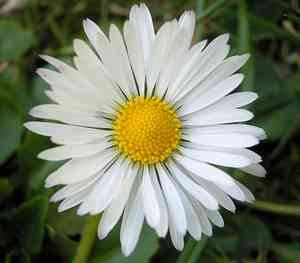
The upright tropical daisy is a tropical bloom distinguished by its diminutive, daisy-shaped blossoms. To propagate, plant seeds directly into adequately draining earth, ensuring consistent moisture without saturation. Gently blanket the seeds with a fine stratum of soil and offer diffused sunlight. Upon the emergence of young plants, sustain regular irrigation and progressively introduce them to increased illumination. Information verified against The Royal Horticultural Society and various horticultural science publications.
Optimal Time for Propagating Erect Tropical Daisy
Propagation Method
Seed Sowing
Propagation Period
Spring
Tools Required for Erect Tropical Daisy Propagation
Seed Tray
An essential item for planting erect tropical daisy seeds. It offers a controlled setting that aids in consistent germination and the initial growth of seedlings. Opt for a tray with adequate drainage to prevent water accumulation.
Seedling Heat Mat
A heat mat for seedlings can help maintain an ideal soil temperature, which is vital for the germination of erect tropical daisy seeds. It encourages quicker and more uniform germination by providing steady warmth.
Fine-mesh Sieve
Employ a fine-mesh sieve to filter compost or seed-starting mix, ensuring it is free of large particles. This creates a smooth, even surface for planting the tiny seeds of erect tropical daisy, improving contact between seed and soil.
Spray Bottle
A spray bottle is perfect for gently moistening the seeds and young plants of erect tropical daisy. It allows for even moisture distribution without disturbing the seeds or seedlings.
Humidity Dome
A humidity dome assists in maintaining high humidity levels, promoting faster germination and reducing the chance of seeds drying out. It is especially beneficial for the delicate germination process of erect tropical daisy.
Labeling Stakes
Labeling stakes are vital for tracking different seed batches and their planting dates. This helps in monitoring growth stages and providing appropriate care for erect tropical daisy.
Seed Starting Mix
A premium seed starting mix offers a sterile, nutritionally balanced medium for erect tropical daisy seeds. It ensures good drainage and aeration, crucial for healthy root development.
How to Propagate Erect Tropical Daisy
Propagation Type
Simple
Post-Propagation Care for Erect Tropical Daisy
Post-Propagation Care for Erect Tropical Daisy
Following transplantation, continue to water erect tropical daisy regularly, ensuring the soil remains damp but not waterlogged. Provide full sun exposure for optimal development. Apply mulch around the plant bases to retain moisture and inhibit weed growth. Periodically inspect for pests and diseases, and prune as needed to maintain plant health and form. With proper attention, erect tropical daisy will flourish and produce vibrant, daisy-like blooms.
Common Errors to Avoid When Propagating Erect Tropical Daisy
Overwatering
Excessive soil saturation can lead to root rot and fungal infections, compromising the plant's vitality and killing the cuttings.
Using Heavy Soil
Dense, compacted soil restricts root growth and results in poor drainage, which is detrimental to root development.
Insufficient Light
Too little light can cause weak, elongated growth and prevent cuttings from establishing.
Neglecting Humidity
Low humidity levels can cause cuttings to dry out before they have a chance to root.
Incorrect Cutting Technique
Using dull or unclean tools can cause damage and introduce pathogens, lowering the success rate.
Advice for Propagating Erect Tropical Daisy
Well-Draining Soil
Utilize a light, well-aerated soil mixture to encourage robust root growth and prevent waterlogging.
Moderate Watering
Keep the soil consistently moist but not waterlogged, ensuring good drainage to avoid root diseases.
Bright, Indirect Light
Erect tropical daisy thrives in bright, indirect light; providing this environment helps the cuttings to establish and grow vigorously.
Maintaining Humidity
Use a humidity dome or mist the cuttings regularly to maintain a humid environment, crucial for successful rooting.
Clean, Sharp Tools
Ensure tools are sterilized and sharp to make clean cuts, minimizing plant stress and the risk of disease.



