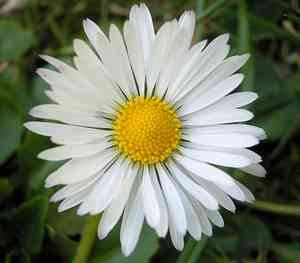
Erect tropical daisy (Egletes viscosa)
Also known as: Carricillo, Yerva Cimarona, Santa María
Egletes viscosa is an aromatic annual herb that can reach heights of up to 60 centimeters. The plant is characterized by a mix of glandular and non-glandular hairs that cover its surface. It produces multiple flower heads, each featuring bright yellow, daisy-like flowers. The flower heads consist of yellow disc florets, with the plant's strong fragrance and vibrant flowers attracting various pollinators.
In This Article
Attributes of Erect tropical daisy
Lifespan
Annual
Plant Type
Herb
Plant Height
Up to 70 cm
Spread
Approximately 50 cm
Leaf Color
Green
Flower Size
2-3 cm
Flower Color
Yellow
Images of Erect tropical daisy
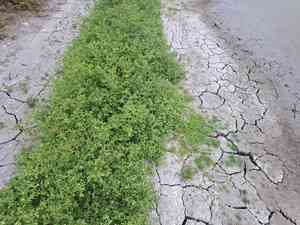
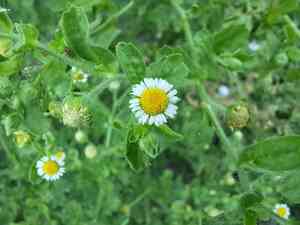
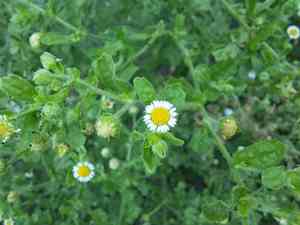

Quickly Identify Erect tropical daisy
1
Egletes viscosa can be identified by its sticky, aromatic foliage and the presence of tiny yellow flowers. The plant often grows in a bushy form, and the leaves are typically long and narrow with a distinctive odor.
Scientific Classification of Erect tropical daisy
Phylum
Vascular plants
Class
Dicotyledons
Order
Asterales
Family
Daisy
Genus
Tropic daisy
Species
Erect tropical daisy
Planting and Growing of Erect tropical daisy
Care Difficulty
Easy
Watering Schedule
Every 2 days
Sunlight Requirements
Full sun
Sunshine Duration
6-10 hours
Ideal Temperature
68-77℉
Soil Type
Potting Mix, Peat Mix
Soil pH
6.5-7.5
Fertilizer Type
Balanced
Pruning Season
Spring, Summer
Pruning Area
Branches, Leaves
Pruning Frequency
2 times a year
Repotting Season
Spring
Pot Type
Plastic, Ceramic
 How to Water Erect tropical daisy?
When watering Egletes viscosa, ensure you provide just enough to moisten the soil without making it soggy. About 150 ml per session should suffice. This amount allows the roots to absorb water efficiently while preventing water from pooling around the plant, which could lead to root rot.
What are the symptoms of an underwatered Erect tropical daisy?
›
What should I do if my Erect tropical daisy is not getting enough water?
›
What are the symptoms of an overwatered Erect tropical daisy?
›
How to save an overwatered Erect tropical daisy?
›
 What Are the Sunlight Requirements for Erect tropical daisy?
Egletes viscosa thrives with full sun exposure. An ideal lighting setup ensures vibrant growth, healthy leaf color, and sturdy structure, equipping the plant to better resist pathogens.
What is the best time for sunlight exposure?
›
How can I ensure it gets enough light indoors?
›
Why is proper lighting crucial for Egletes viscosa?
›
 What Is the Ideal Temperature Range for Erect tropical daisy?
Egletes viscosa thrives in a climate where the temperature is consistently between 68 and 77 degrees Fahrenheit. This range provides optimal conditions for photosynthesis, ensuring healthy growth and reproduction. Maintaining this temperature range helps the plant to absorb nutrients efficiently and boosts its overall resilience against diseases and pests.
 What Soil is Best for Erect tropical daisy?
Egletes viscosa thrives in well-drained soils, which prevent water from pooling around its roots. Proper drainage helps avoid root rot and ensures the plant accesses adequate oxygen, vital for healthy growth. Opt for sandy loam which naturally contains a balance of sand, silt, and clay, offering Egletes viscosa access to a range of nutrients. This supports robust growth and enhances the plant's overall vigour. While it demands well-drained soil, Egletes viscosa also benefits from moderate moisture retention that sandy loam provides. It balances wet and dry spells, maintaining steady hydration for optimal development.
 How to Fertilize Erect tropical daisy?
For Egletes viscosa, moderation is key when it comes to fertilization. Apply a diluted liquid fertilizer at half strength to avoid any chemical burns on the plant's roots. Typically, using a 20-20-20 all-purpose liquid fertilizer should suffice. A tablespoon per gallon of water is a recommended concentration to promote healthy growth without overwhelming the plant.
 How to Prune Erect tropical daisy?
To prune Egletes viscosa effectively, use sharp pruning shears or scissors to make clean cuts. Prune during the cooler parts of the day, ideally in the morning or late afternoon, to prevent the plant from becoming stressed due to heat exposure. Begin by removing any dead, damaged, or diseased stems and leaves. Focus on maintaining a pleasing shape by cutting back overgrown branches to encourage a bushier growth pattern. Avoid removing more than one-third of the plant's foliage at any one time to prevent shock.
 How to Propagate Erect tropical daisy plant?
1
Harvest ripe seeds from the parent plant during the flowering season. Make sure the seeds are mature and dry before storage or planting.
2
Select healthy stems from the plant, making cuts just below a node. Ensure that the cutting is at least 4-6 inches long with a few leaves at the top.
3
Mix equal parts of peat and sand to create a well-draining soil medium. This helps in root formation and prevents water logging.
 How to Repot Erect tropical daisy plant?
1
Egletes viscosa typically needs repotting when you notice root-bound conditions or stunted growth. If roots are poking out of the drainage holes or there's more roots than soil, it's time to consider repotting. Spring and autumn are ideal since the plant is actively growing, allowing it to recover more efficiently from the stress of being moved.
2
Select a pot that's 1-2 inches larger in diameter than the current one. Ensuring the pot has good drainage holes is crucial; it prevents waterlogging and helps maintain healthy root systems. A slightly larger pot gives the roots space to expand without overwhelming the plant with too much new soil, which can retain excessive moisture.
3
Opt for a well-draining loamy soil that can hold moisture while allowing excess water to escape. This type of soil prevents root rot and provides enough nutrients and airflow to support healthy plant growth. Loamy soil is also excellent for retaining optimal moisture levels, balancing both water retention and drainage.
Learn More About Erect tropical daisy Diseases
Anthracnose
Bacterial Leaf Spot
Bacterial Wilt
Black Spot
Chemical Injury
Damping-off
Downy Mildew
Drought Stress
Fusarium Wilt
Gray Mold
Leaf Curl
Leaf Spot
Mosaic
Nutrient Deficiency
Nutrient Toxicity
Powdery Mildew
Root Rot
Root-knot Nematode
Rusts
Sooty Mold
Spider Mites
Temperature Stress
Thrips Damage
White Mold



