How to Propagate Muricate barnyard-grass?
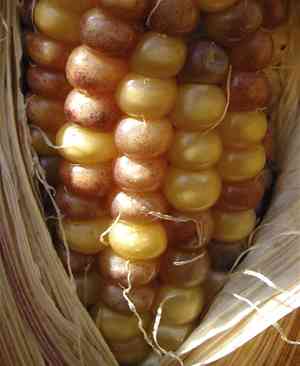
Muricate barnyard-grass flourishes when reproduced via the seeding technique. It is crucial to choose a soil that drains effectively and is fortified with organic material to boost sprouting success and foster robust development. Seeds ought to be spread uniformly to prevent excessive density, which could hinder plant progression. Consistent irrigation, especially during the initial period after planting, will encourage stable growth, yet precautions must be taken to avert excessive moisture. Verify that the growing medium stays damp but not waterlogged.
What Is the Best Time To Propagate Muricate Barnyard-grass?
Propagation Type
Seeding
Propagation Season
Spring
What Tools Are Used in Muricate Barnyard-grass Propagation?
Seed trays
Seed trays are crucial for initiating muricate barnyard-grass seeds indoors or in controlled environments. The individual sections aid in organizing and managing young plants efficiently. Utilizing seed trays allows for simple handling of seedlings and a more consistent germination rate, promoting a strong start for muricate barnyard-grass.
Fine-grained soil or seed starting mix
This specific substrate is vital for the germination of muricate barnyard-grass. A fine-textured soil or a specially formulated seed starting mix offers the correct texture and nutrient balance, improving seed contact and moisture retention, which are essential for muricate barnyard-grass germination.
Misting bottle
A misting bottle is key for gently watering muricate barnyard-grass seeds without dislodging them. The fine spray ensures the soil is uniformly moist, fostering ideal germination conditions. It's especially useful for maintaining the delicate moisture balance required by muricate barnyard-grass seeds.
Heat mat
A heat mat can be very advantageous for muricate barnyard-grass, particularly when propagating in cooler climates or seasons. The mat gently warms the soil, which can boost germination rates and speed by providing a consistent and optimal temperature, a critical factor for successful muricate barnyard-grass propagation.
Grow lights
If starting muricate barnyard-grass seeds indoors, grow lights can play a vital role. They supply the necessary light spectrum to support healthy seedling growth when natural sunlight is insufficient. This tool ensures that muricate barnyard-grass develops strong and vigorous from its earliest stages.
How to Propagate Muricate Barnyard-grass?
Propagation Type
Simple
How to Care for Your Newly Propagated Muricate Barnyard-grass?
How to Care for Your Newly Propagated Muricate Barnyard-grass?
After propagation, keep the soil consistently damp but not waterlogged. Regularly remove weeds to prevent nutrient competition. Monitor for pests and diseases, addressing them as needed. Provide full sunlight and ensure good air circulation around the plants. Once established, muricate barnyard-grass is relatively low-maintenance but benefits from occasional feeding with a balanced fertilizer.
Common Mistakes to Avoid When Propagating Muricate Barnyard-grass
Overwatering
Excessive watering can cause root rot in muricate barnyard-grass, which is harmful as it impairs the plant's ability to absorb nutrients effectively, potentially hindering growth or leading to plant death.
Inadequate light
Insufficient light can result in weak, elongated stems and poor root development in muricate barnyard-grass, diminishing its overall vigor and propagation success.
Deep sowing
Planting muricate barnyard-grass seeds too deeply can prevent germination due to insufficient light and oxygen, which are essential for successful seedling growth.
Tips For Propagating Muricate Barnyard-grass
Moist medium
Maintain a consistently damp propagation medium for muricate barnyard-grass to support optimal germination without causing waterlogging, which aids seed development.
Shallow sowing
Sow muricate barnyard-grass seeds superficially, approximately 0.5 cm deep, to ensure adequate exposure to light and air, fostering successful germination and seedling strength.
Appropriate lighting
Provide muricate barnyard-grass with ample light during the propagation phase to enhance photosynthesis and encourage robust plant growth.



