Muricate barnyard-grass (Echinochloa muricata)
Also known as: Rough cockspur, American barnyardgrass
Echinochloa muricata, often referred to as rough barnyard grass or American barnyard grass, is indigenous to both North America and Eurasia. This annual grass typically reaches a height ranging from 0.5 to 1 meter (1.6 to 3.3 feet).
In This Article
Attributes of Muricate barnyard-grass
Lifespan
Annual
Plant Type
Grass
Plant Height
61 cm to 1.5 m
Spread
Not typically measured
Leaf Color
Green, sometimes tinged with red or purple
Flower Size
Not applicable
Flower Color
Green, turning brown as they mature
Images of Muricate barnyard-grass
Quickly Identify Muricate barnyard-grass
1
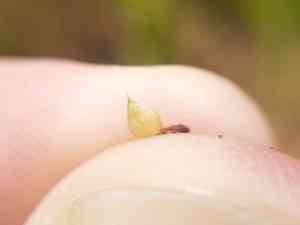
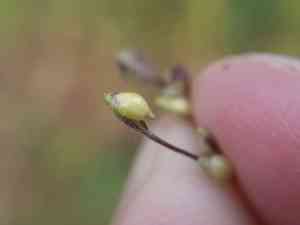
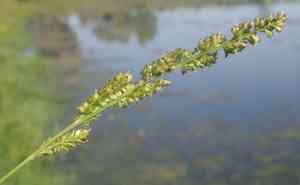
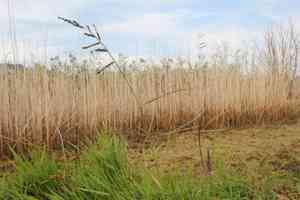
Echinochloa muricata can be identified by its rough-textured spikelets, which are arranged in dense, bristly panicles. The plant has flat, broad leaves that are often tinged with red or purple. The spikelets are tightly packed and have a rough texture, which is a distinguishing feature.
Scientific Classification of Muricate barnyard-grass
Phylum
Vascular plants
Class
Monocotyledons
Order
Poales
Family
Grass
Genus
Echinochloa
Species
Muricate barnyard-grass
Planting and Growing of Muricate barnyard-grass
Care Difficulty
Easy
Watering Schedule
Every 4 days
Sunlight Requirements
Partial sun
Sunshine Duration
6-10 hours
Ideal Temperature
77-86℉
Soil Type
Potting Mix, Peat Mix
Soil pH
6.5-7.5
Fertilizer Type
Balanced
Pruning Season
Spring, Summer
Pruning Area
Branches, Leaves
Pruning Frequency
2 times a year
Repotting Season
Spring
Pot Type
Plastic, Terracotta
 How to Water Muricate barnyard-grass?
When watering Echinochloa muricata, ensure the soil is consistently moist but not waterlogged. A thorough soak of about 300 milliliters is typically sufficient, allowing excess water to drain. The goal is to keep the soil moist enough to support the plant’s high water needs while avoiding root rot.
What are the symptoms of an underwatered Muricate barnyard-grass?
›
What should I do if my Muricate barnyard-grass is not getting enough water?
›
What are the symptoms of an overwatered Muricate barnyard-grass?
›
How to save an overwatered Muricate barnyard-grass?
›
 What Are the Sunlight Requirements for Muricate barnyard-grass?
For Echinochloa muricata, partial sun or semi-shaded conditions are optimal. This balance between sunlight and shade ensures adequate photosynthesis without overheating, promoting steady, healthy growth and flourishing.
What is the ideal light level for Echinochloa muricata?
›
How can I create an ideal lighting environment for this plant?
›
Benefits of providing ideal light for Echinochloa muricata?
›
 What Is the Ideal Temperature Range for Muricate barnyard-grass?
The ideal temperature range for Echinochloa muricata is between 77°F to 86°F. This range allows the plant to perform optimal metabolic processes, facilitating healthy growth and development. Keeping the plant within this temperature window ensures efficient photosynthesis and nutrient uptake.
 What Soil is Best for Muricate barnyard-grass?
Echinochloa muricata thrives in well-drained soils that prevent waterlogging, which is crucial for its root health and overall growth. The absence of excess water supports aeration, promoting vibrant plant development. The plant prefers soils with moderate nutrient levels, which suffices for its growth necessities without the risk of nutrient burn. Adequate organic matter enhances its growth by providing necessary nutrients. Soils with the ability to retain moisture can provide a consistent water supply without drowning the roots, crucial to the plant's survival, especially during dry periods.
 How to Fertilize Muricate barnyard-grass?
For Echinochloa muricata, a balanced approach to fertilizer is key. During the growing season, apply a mild dose of liquid fertilizer such as 20-20-20, diluting it to half the recommended strength per the product instructions. For solid fertilizers, opt for a slow-release variety and use around 1 pound per 100 square feet.
 How to Prune Muricate barnyard-grass?
Begin by identifying and removing any diseased or dead parts of the plant. Look for brown or black stems and leaves, cutting them close to the base to prevent further spread of potential diseases. Trim to shape Echinochloa muricata as needed, taking care to maintain its natural growth habit. Remove overgrown stems to encourage a bushier growth pattern and to allow sunlight to reach the inner foliage. Be cautious of nearby plants or structures when pruning. Avoid damaging nearby foliage or cutting too close to roots that might affect not just Echinochloa muricata, but surrounding vegetation as well.
More About Pruning Techniques→
 How to Propagate Muricate barnyard-grass plant?
1
Begin by selecting healthy, viable seeds. Choose seeds that are mature and free from any visible signs of damage or disease. This ensures that the seeds have the best chance of germinating successfully and producing healthy plants.
2
Sow the seeds lightly on the surface of the seed-starting mix in the seed tray. Ensure they are spaced out adequately, typically an inch apart, to allow room for seedlings to grow without overcrowding. Cover the seeds lightly with a thin layer of additional starting mix or fine sand.
3
Keep the seed tray evenly moist throughout the germination period. Use the watering can with the fine rose attachment to mist the surface gently without disturbing the seeds or compacting the soil. Maintain consistent moisture without allowing the medium to become waterlogged.
 How to Repot Muricate barnyard-grass plant?
1
The signs that your Echinochloa muricata needs repotting include visible root growth from drainage holes, slowed plant growth, or poor soil drainage. Repot when roots are crowded and growth stagnates, ensuring a healthy environment for it to thrive.
2
Select a pot that is larger by about 2-3 inches in diameter than the current pot, with ample drainage holes to prevent waterlogging. A slightly bigger pot ensures the roots have space to grow, promoting more robust plant health.
3
Opt for a rich, loamy, and well-draining mix that supports Echinochloa muricata's growth. Such soil retains adequate moisture while allowing excess water to escape, preventing root rot and nurturing a healthy, vigorous plant.



