How to Propagate Yellow aster?
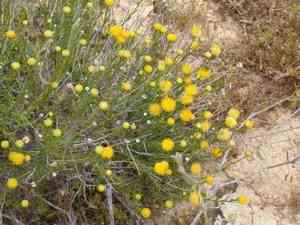
Yellow aster flourishes in permeable ground and benefits from ample sunlight. To successfully propagate, obtain semi-hardwood cuttings, making sure each possesses a minimum of one node. Employ rooting stimulant to foster root formation, positioning the cuttings in damp, sandy substrate to encourage robust development. Maintain the cuttings in a warm, shaded setting until they are established. Regular hydration is vital, but prevent excessive watering to avert decay.
When Is the Optimal Period to Propagate Yellow Aster?
Propagation Type
Cutting
Propagation Season
Autumn,Winter
What Tools Are Utilized in Yellow Aster Propagation?
Pruning Shears
Employed to make precise cuts on yellow aster stems for propagation. This is crucial for minimizing harm and encouraging robust regrowth.
Rooting Hormone
Stimulates root development on yellow aster cuttings, fostering root growth and increasing propagation success rates.
Propagation Tray
Offers a regulated environment for yellow aster cuttings, ensuring sufficient moisture and air circulation.
Heat Mat
Maintains a consistent soil temperature, which is advantageous for the root formation of yellow aster cuttings.
Spray Bottle
Keeps yellow aster cuttings hydrated without over-saturating, vital for preventing dehydration and promoting rooting.
Humidity Dome
Helps maintain elevated humidity levels around yellow aster cuttings, reducing stress and encouraging root development.
Sterilized Sand or Perlite
Used as a sterile rooting medium for yellow aster cuttings, promoting aeration and drainage while preventing fungal issues.
Labels
Essential for tracking yellow aster cuttings to monitor progress and maintain accurate records.
How to Propagate Yellow Aster?
Propagation Type
Moderately Difficult
How to Care for Your Newly Propagated Yellow Aster?
How to Care for Your Newly Propagated Yellow Aster?
Once yellow aster cuttings have successfully rooted, transplant them into individual containers or garden beds. Ensure they are planted in well-draining soil and receive full sun to partial shade. Water consistently but avoid waterlogging, and shield young plants from extreme temperatures. Regularly inspect for pests and diseases, and apply a balanced fertilizer during the growing season to encourage healthy development.
Common Errors to Avoid When Propagating Yellow Aster
Overwatering
This frequently leads to root rot, which can severely harm or kill yellow aster seedlings.
Poor Soil Drainage
Using soil that retains too much moisture can suffocate the roots, resulting in stunted growth.
Excessive Fertilization
Too much fertilizer can burn the roots and foliage of yellow aster, hindering its growth.
Inadequate Light
Insufficient sunlight impedes photosynthesis, leading to weak and elongated plants.
Using Non-Sterilized Tools
This can introduce pathogens and pests, causing diseases that negatively impact the plant's health.
Tips For Propagating Yellow Aster
Use Well-Draining Soil
Ensure soil possesses good drainage properties to prevent waterlogging and root rot.
Moderate Watering
Keep the soil moist but not saturated. Allow the top layer of soil to dry out between waterings.
Proper Light Exposure
Ensure yellow aster receives adequate sunlight, ideally full sunlight for most of the day.
Sterilize Tools
Always use sterilized tools to prevent the introduction of diseases during propagation.
Appropriate Fertilization
Use a balanced, slow-release fertilizer to provide essential nutrients without overwhelming the plant.



