How to Propagate Doublehorn calicoflower?
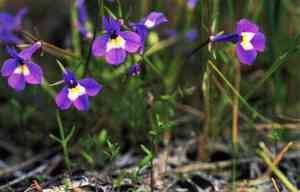
Doublehorn calicoflower flourishes in damp environments and frequently inhabits seasonal ponds. For propagation, plant seeds directly into humid, adequately draining earth. Confirm the planting site replicates its native setting by sustaining steady moisture levels. Sprouting is most effective under warm temperatures. Space out young plants to prevent congestion and foster robust development. Enhance successful cultivation by acquiring new seeds and preventing extended arid spells.
When Is the Optimal Period to Propagate Doublehorn Calicoflower?
Propagation Type
Seeding
Propagation Season
Spring
What Equipment Is Utilized in Doublehorn Calicoflower Propagation?
Seed Trays
Seed trays offer a regulated setting for planting doublehorn calicoflower seeds, ensuring consistent conditions for sprouting. They aid in organizing and observing seedling development efficiently.
Seed Starting Mix
A light seed starting mix is crucial for the healthy sprouting of doublehorn calicoflower. It provides excellent drainage, aeration, and moisture retention, vital for young seedlings.
Humidity Dome
A humidity dome assists in maintaining the perfect moisture and warmth levels for doublehorn calicoflower seeds to sprout. It stops young seedlings from drying out and creates a mini-greenhouse effect.
Mister or Spray Bottle
A mister or spray bottle is employed to gently dampen the soil surface without dislodging doublehorn calicoflower seeds. This guarantees uniform hydration without disturbing the fragile seedlings.
Heating Mat
A heating mat delivers steady, upward heat, which can be essential for accelerating the sprouting process of doublehorn calicoflower in cooler environments. It helps maintain an even temperature.
How to Propagate Doublehorn Calicoflower?
Propagation Type
Simple
How to Nurture Your Newly Propagated Doublehorn Calicoflower?
How to Nurture Your Newly Propagated Doublehorn Calicoflower?
Once sprouts appear, keep the soil consistently damp but prevent waterlogging. Thin out weaker seedlings to allow stronger ones more room to grow. Gradually introduce seedlings to outdoor conditions by exposing them to direct sunlight for a few hours daily, increasing the duration over a week. Regularly check for pests and diseases, and offer support if needed as they mature.
Common Errors to Avoid When Propagating Doublehorn Calicoflower
Overwatering
Excessive watering can cause root rot and fungal infections, which can severely hinder or kill doublehorn calicoflower.
Poor Soil Choice
Using soil that is too dense or lacks proper drainage can lead to water retention, causing root issues.
Improper Light Conditions
Providing too much or too little light can impede growth; doublehorn calicoflower requires specific light conditions to flourish.
Incorrect Temperature
Failing to maintain the appropriate temperature range can stress the plant, impacting its ability to propagate effectively.
Seed Planting Depth
Planting seeds too deep or too shallow can result in low germination rates.
Neglecting Moisture Levels
Allowing the soil to completely dry out can harm young plants or seeds, which are particularly vulnerable.
Advice For Propagating Doublehorn Calicoflower
Water Management
Ensure soil stays moist but not waterlogged; use a well-draining soil mix to prevent root decay.
Soil Selection
Opt for a light, well-draining soil to allow adequate air circulation to the roots.
Light Conditions
Provide bright, indirect light to prevent burning while ensuring proper development.
Temperature Control
Maintain a steady temperature, avoiding extreme shifts to promote healthy growth.
Proper Seed Depth
Plant seeds at a depth of approximately 1/8 to 1/4 inch to encourage optimal sprouting.
Moisture Monitoring
Keep soil consistently moist, especially during the initial growth phases, to support the delicate seedlings.



