How to Propagate Kunth's hacksaw fern?
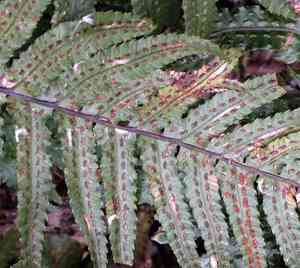
The Kunth's hacksaw fern, a robust fern species, is recognized by its uniquely toothed leaves. To successfully propagate this plant, the division technique is recommended due to its superior outcomes. Gently divide robust clusters of the fern, making sure every segment possesses a sufficient root structure. Replant these separated portions into soil that drains efficiently, and ensure continuous dampness to encourage development. Place the Kunth's hacksaw fern in an area with ample shade, as it flourishes in environments with minimal illumination.
Optimal Period for Propagating Kunth's Hacksaw Fern?
Propagation Method
Division
Propagation Period
Spring,Autumn
Tools Required for Kunth's Hacksaw Fern Propagation?
Garden Spade
A garden spade is vital for separating kunth's hacksaw fern clumps. Its sharp edge allows for clean cuts through roots, facilitating the division of plants into smaller sections without excessive harm.
Pruning Shears
Pruning shears are utilized to trim any damaged or dead roots and foliage post-division. This action helps minimize transplant shock and encourages robust new growth.
Rooting Hormone
Applying a rooting hormone to the cut portions of kunth's hacksaw fern can boost root development and improve the success rate of establishment, particularly when divisions are relocated.
Watering Can
A watering can equipped with a gentle shower head is essential for keeping newly divided plants adequately hydrated without aggressively disturbing the soil or roots.
Plant Labels
Employing plant labels assists in tracking the separated sections, ensuring proper identification and providing a means to monitor their progress.
Garden Fork
A garden fork is useful for carefully digging around the plant to reduce root damage. It enables gentle lifting of clumps from the soil prior to division.
Potting Mix
A premium, well-draining potting mix is crucial for replanting the divided sections of kunth's hacksaw fern. It supplies the necessary nutrients and aeration for effective root establishment.
Steps to Propagate Kunth's Hacksaw Fern?
Propagation Difficulty
Easy
Post-Propagation Care for Your Kunth's Hacksaw Fern?
Post-Propagation Care for Your Kunth's Hacksaw Fern?
Following propagation, ensure kunth's hacksaw fern divisions are kept in a humid environment with filtered light. Water consistently, allowing the top inch of soil to dry slightly between waterings. Gradually introduce the young plants to their permanent spot over 4-6 weeks. Check for pests and provide occasional feeding with a balanced, water-soluble fertilizer at half-strength during the growing season. Remove dead or damaged fronds to promote healthy growth.
Common Errors to Avoid When Propagating Kunth's Hacksaw Fern
Overwatering
Excessive moisture can lead to root rot and other fungal issues, resulting in the failure of propagating cuttings or spore germination.
Insufficient light
Placing cuttings or spores in low-light conditions can impede growth and result in weak plants susceptible to disease.
Improper soil mix
Using garden soil instead of a well-draining mix can cause poor aeration and drainage, hindering growth.
Neglecting sterilization
Failing to sterilize tools and propagation media can introduce pathogens that may kill or severely damage the new plants.
Incorrect humidity levels
Humidity that is too low or too high can negatively impact spore germination and the health of young plants.
Advice for Propagating Kunth's Hacksaw Fern
Use sterile tools and media
Always sterilize tools and media to prevent the introduction of diseases and pests.
Appropriate watering
Maintain moist but not waterlogged conditions to prevent root rot and promote healthy growth.
Well-draining soil mix
Use a mix of peat, perlite, and fine bark to ensure proper drainage and aeration.
Maintain ideal humidity
Keep a consistent humidity level around 70-80% to encourage spore germination and support young plants.
Provide adequate light
Place cuttings or spores in bright, indirect light to ensure they receive enough energy for healthy growth and development.



