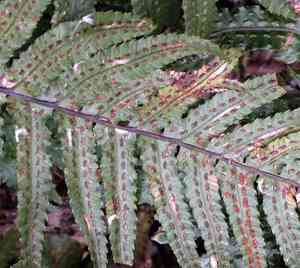
Kunth's hacksaw fern (Doodia kunthiana)
Also known as: Kunth's Rasp Fern
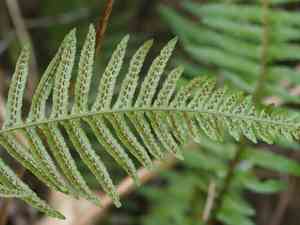
Kunth's hacksaw fern stands out with its striking transformation from vibrant red fronds to deep green as they mature. This adaptive growth suits the dappled light of forest environments. The fern's sturdy midrib supports its uniquely serrated leaf edges, which are crucial for capturing water droplets and maintaining stability in humid conditions.
In This Article
Attributes of Kunth's hacksaw fern
Lifespan
Perennial
Plant Type
Fern
Plant Height
Up to 50 cm
Spread
Approximately 30 cm
Leaf Color
Red (young), Green (mature)
Flower Size
N/A (ferns do not produce flowers)
Flower Color
N/A (ferns do not produce flowers)
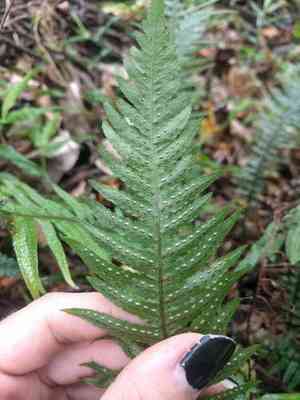
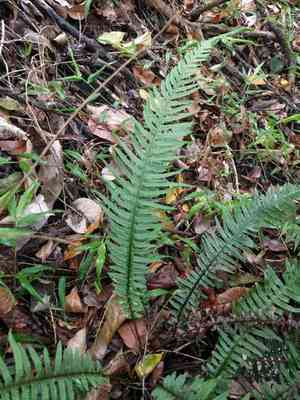
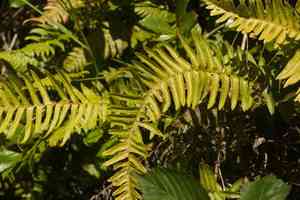
Images of Kunth's hacksaw fern
Quickly Identify Kunth's hacksaw fern
1
This fern can be identified by its distinctive fronds that start with a red or pinkish color when young and turn green as they mature. The fronds are pinnate with lance-shaped leaflets.
Scientific Classification of Kunth's hacksaw fern
Phylum
Vascular plants
Class
Ferns
Order
Polypodiales
Family
Chain fern
Genus
Hacksaw fern
Species
Kunth's hacksaw fern
Planting and Growing of Kunth's hacksaw fern
Care Difficulty
Moderate
Watering Schedule
Every 3 days
Sunlight Requirements
Partial sun
Sunshine Duration
6-10 hours
Ideal Temperature
60-75℉
Soil Type
Potting Mix, Peat Mix
Soil pH
6.5-7.5
Fertilizer Type
Balanced
Pruning Season
Spring, Summer
Pruning Area
Branches, Leaves
Pruning Frequency
2 times a year
Repotting Season
Spring
Pot Type
Plastic, Ceramic
 How to Water Kunth's hacksaw fern?
For Doodia kunthiana, it's important to provide consistent moisture without waterlogging the soil. Ideally, you should water until the top 2 inches of soil are moist. This ensures adequate hydration while preventing root rot. Adjust the water amount based on your plant's size, with 250 ml being a general guideline for medium-sized specimens.
What are the symptoms of an underwatered Kunth's hacksaw fern?
›
What should I do if my Kunth's hacksaw fern is not getting enough water?
›
What are the symptoms of an overwatered Kunth's hacksaw fern?
›
How to save an overwatered Kunth's hacksaw fern?
›
 What Are the Sunlight Requirements for Kunth's hacksaw fern?
Partial sun to full shade is the ideal light range for Doodia kunthiana. Such conditions ensure robust growth and vibrancy, preventing leaf burn and encouraging lush foliage.
How much light does it need?
›
What if it's too sunny?
›
Does it benefit from occasional full sunlight?
›
 What Is the Ideal Temperature Range for Kunth's hacksaw fern?
For the optimal growth of Doodia kunthiana, maintaining a consistent temperature range between 60°F and 75°F is crucial. This range mimics the plant's natural habitat, providing the warmth needed for healthy leaf development and robust root growth.
 What Soil is Best for Kunth's hacksaw fern?
Doodia kunthiana requires soil with excellent drainage to prevent root rot. This condition allows for adequate oxygen flow to the roots, promoting healthy growth and vibrant foliage. Soil rich in organic matter is crucial for Doodia kunthiana, providing essential nutrients for robust growth and resistance against diseases. While good drainage is vital, the soil should also retain enough moisture to keep the roots hydrated. This balance ensures steady growth, especially in drier conditions.
 How to Fertilize Kunth's hacksaw fern?
For Doodia kunthiana, the fertilizer amount should be moderate. Use a balanced, water-soluble liquid fertilizer diluted to half the recommended strength to avoid root burn. Approximately 15-20 ml of diluted fertilizer per plant is adequate. Too much fertilizer can stress the plant, while too little might hinder its growth.
 How to Prune Kunth's hacksaw fern?
Start by identifying dry, dead, or discolored fronds. These can usually be found at the base of the plant. Remove them by cutting as close to the base as possible without damaging the healthy parts of the plant. Trim back overgrown fronds to maintain the desired shape of the plant. This step helps to keep the fern looking tidy and controlled while also promoting a dense, lush appearance. After pruning, ensure that all cuttings are cleared away from the base of the plant to reduce the chance of diseases and pests which are often attracted to decaying plant material.
More About Pruning Techniques→
 How to Propagate Kunth's hacksaw fern plant?
1
For division propagation, choose a time in early to late spring when the plant shows new growth. This ensures that the separated sections establish well with the helping of favorable weather conditions.
2
Examine the plant's root ball and use your spade or knife to separate healthy sections of the plant, ensuring each has sufficient roots and leaves for independent growth. Handle roots with care to minimize damage.
3
For spore propagation, dust the collected spores over a tray filled with moist, sterilized compost and cover with clear plastic to maintain humidity. Place in a warm and light spot, but avoid direct sunlight.
 How to Repot Kunth's hacksaw fern plant?
1
Doodia kunthiana requires repotting when you see roots emerging from the drainage holes or when growth becomes stunted. The optimal time to repot is during its growth phases in spring or autumn. This is when the plant can best recover from the stress of repotting and quickly establish itself in fresh soil.
2
Select a pot that is just one size larger than the current one, ideally with good drainage holes. A pot that is too large can lead to overwatering and waterlogging, which this plant's roots are sensitive to. A well-fitting pot helps maintain optimal moisture levels and supports healthy root growth.
3
Use a well-draining, loamy soil mix to prevent root rot and provide adequate aeration. Incorporating peat or bark can enhance drainage. The ideal soil retains enough moisture for the plant's needs but dries out swiftly enough to prevent sogginess, promoting robust and healthy growth.
Learn More About Kunth's hacksaw fern Diseases
Anthracnose
Bacterial Leaf Spot
Bacterial Soft Rot
Black Spot
Chemical Injury
Damping-off
Downy Mildew
Drought Stress
Fusarium Wilt
Gray Mold
Leaf Curl
Leaf Spot
Mosaic
Nutrient Deficiency
Nutrient Toxicity
Powdery Mildew
Root Rot
Root-knot Nematode
Rusts
Sooty Mold
Spider Mites
Temperature Stress
Thrips Damage
White Mold



