How to Propagate Scented shootingstar?
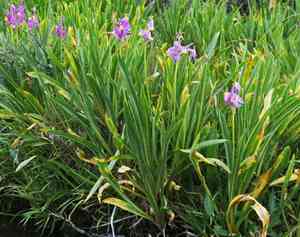
The fragrant shootingstar, a member of the Primulaceae family, is a perennial species valued for its aromatic blossoms. To propagate, plant seeds in adequately drained soil immediately following collection, keeping them damp until sprouting occurs. Prompt establishment is vital, so place the nascent plants in dappled light to replicate their native environment. Shield them from harsh elements to guarantee robust development.
Optimal Time for Scented Shootingstar Propagation
Propagation Method
Seeding
Propagation Period
Spring
Essential Tools for Scented Shootingstar Propagation
Seed Tray
Utilize a quality seed tray to offer a stable environment for planting scented shootingstar seeds. Ensure it has proper drainage to avoid waterlogging, which can harm seed germination.
Seed Compost
Select a balanced seed compost that provides good air circulation and moisture retention. This will supply the necessary nutrients for scented shootingstar's seeds to sprout and develop.
Fine Gravel or Sand
Lightly cover the seeds with a thin layer of fine gravel or sand after planting. This helps secure the seeds and ensures good soil contact while allowing light to reach them if needed.
Misting Bottle
Employ a misting bottle to gently irrigate the seed tray. This is crucial to prevent soil displacement and ensure even moisture without overwatering, which is vital for the delicate seeds of scented shootingstar.
Clear Plastic Cover or Dome
Position a clear plastic cover or dome over the seed tray to create a humid microclimate, which encourages germination by maintaining consistent moisture levels and temperature.
Label Stakes
Label stakes are vital for tracking different plant varieties, especially when sowing multiple types simultaneously. This helps prevent confusion and ensures appropriate care for scented shootingstar during its early growth stages.
Propagation Heat Mat (Optional)
A propagation heat mat can provide warmth from below, which is particularly useful in colder climates. It helps maintain an ideal and steady soil temperature, boosting seed germination rates for scented shootingstar.
Sterile Knife or Scalpel
A sterile knife or scalpel is essential if there's a need to prepare seeds or manage seedlings with precision. It ensures clean cuts without harming the delicate tissues of scented shootingstar, reducing infection risks.
How to Propagate Scented Shootingstar
Propagation Difficulty
Simple
Post-Propagation Care for Scented Shootingstar
Post-Propagation Care for Scented Shootingstar
Following transplanting, provide scented shootingstar with partial shade to shield the young plants from intense midday sun. Ensure the soil remains consistently moist but not waterlogged. Apply mulch around the base of the plants to help retain moisture and keep roots cool. Protect young plants from strong winds and harsh weather. Gradually acclimate them to their permanent outdoor spot. Monitor for pests and diseases, taking necessary steps to maintain healthy growth. Regularly check for and remove any weeds that could compete with scented shootingstar for nutrients and water.
Common Errors to Avoid When Propagating Scented Shootingstar
Overwatering
Excessive moisture can lead to root rot, significantly hindering the establishment and development of scented shootingstar.
Incorrect Soil Type
Using heavy or poorly draining soil can suffocate roots, resulting in poor plant health and growth.
Inappropriate Light Conditions
Insufficient or excessive light can cause stunted growth and poor leaf development.
Improper Seed Handling
Failing to stratify seeds or planting them incorrectly can result in low germination rates.
Neglecting Environmental Control
Ignoring humidity and temperature requirements can impede seedling development and increase susceptibility to diseases.
Advice for Propagating Scented Shootingstar
Adequate Drainage
Ensure the soil medium drains exceptionally well to prevent waterlogged conditions and root rot.
Suitable Soil Mix
Utilize a light, well-draining soil mix that mimics scented shootingstar's natural environment, allowing for proper root development.
Optimal Light Exposure
Position scented shootingstar in a location with partial shade to replicate its natural growing conditions and encourage healthy growth.
Seed Stratification
Stratify seeds by exposing them to cold temperatures for a period to break dormancy and enhance germination success.
Maintain Humidity and Temperature
Keep seedlings in a warm and humid environment to support initial growth while gradually acclimating them to outdoor conditions.



