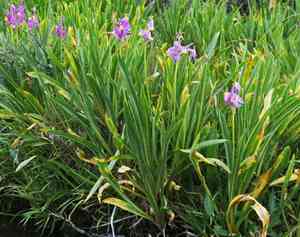
Scented shootingstar (Dodecatheon redolens)
Also known as: Peggy's Shooting Star, Rockhouse Shootingstar, Scented Shootingstar
The plant you're referring to is likely the scented shootingstar. It showcases charming, downturned flowers with an umbrella-like form, typically in hues of lavender or white. These vibrant blooms stand out against lush, leafy rosettes. This plant flourishes in alpine meadows and open forests, preferring cooler climates and well-drained soils. Its pleasant scent attracts pollinators, crucial for its survival in high-altitude environments.
In This Article
Attributes of Scented shootingstar
Lifespan
Perennial
Plant Height
20-30 cm
Spread
N/A (usually forms clusters rather than having a crown)
Leaf Color
Green
Flower Size
2-3 cm
Flower Color
Pink, white, lavender
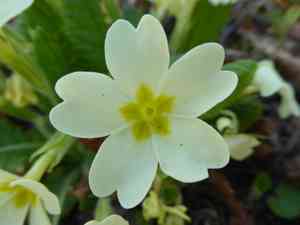
Images of Scented shootingstar
Quickly Identify Scented shootingstar
1
To identify Dodecatheon redolens, look for its distinct nodding flowers with recurved petals, usually in shades of pink, white, or lavender. The leaves are basal, oblong to lanceolate, and grow in a rosette. The plant also emits a mild fragrance, which is a key identifying feature.
Scientific Classification of Scented shootingstar
Phylum
Vascular plants
Class
Dicotyledons
Order
Ericales
Family
Primrose
Genus
Shooting star
Species
Scented shootingstar
Planting and Growing of Scented shootingstar
Care Difficulty
Moderate
Watering Schedule
Every 3 days
Sunlight Requirements
Partial sun
Sunshine Duration
6-10 hours
Ideal Temperature
65-75℉
Soil Type
Potting Mix, Peat Mix
Soil pH
6.5-7.5
Fertilizer Type
Balanced
Pruning Season
Spring, Summer
Pruning Area
Branches, Leaves
Pruning Frequency
2 times a year
Repotting Season
Spring
Pot Type
Plastic, Ceramic
 How to Water Scented shootingstar?
When watering Dodecatheon redolens, aim for about 250 milliliters per session. It's crucial to ensure that the water reaches the root zone without oversaturating the soil, as this helps maintain proper moisture levels and prevents root rot.
What are the symptoms of an underwatered Scented shootingstar?
›
What should I do if my Scented shootingstar is not getting enough water?
›
What are the symptoms of an overwatered Scented shootingstar?
›
How to save an overwatered Scented shootingstar?
›
 What Are the Sunlight Requirements for Scented shootingstar?
Partial sun, allowing for morning sun and afternoon shade, helps Dodecatheon redolens achieve optimal photosynthesis, resulting in healthier foliage and prolific flowering.
What is the best placement for Dodecatheon redolens?
›
How can I simulate ideal lighting conditions indoors?
›
What are the benefits of providing ideal light to Dodecatheon redolens?
›
 What Is the Ideal Temperature Range for Scented shootingstar?
The ideal temperature range for Dodecatheon redolens is between 65°F and 75°F. This range allows the plant to thrive by supporting optimal metabolic functions and growth. Temperatures within this range ensure that the plant can photosynthesize efficiently and maintain healthy respiration rates, resulting in vibrant foliage and prolific flowering.
 What Soil is Best for Scented shootingstar?
Dodecatheon redolens thrives in soil with excellent drainage, as stagnant water can lead to root rot. Well-drained soil ensures the roots receive adequate oxygen, promoting healthy growth and vibrant blooms. This plant prefers soil that is moderately rich in organic matter. Nutrient-rich soil supports its growth by providing essential minerals and nutrients, leading to robust stems and lush flowers. While good drainage is vital, the soil should also retain enough moisture to prevent dehydration. Balance is key, ensuring the plant remains hydrated without waterlogging, which supports sustained growth.
 How to Fertilize Scented shootingstar?
For Dodecatheon redolens, the fertilization should be done with a balanced approach. A general rule of thumb is to apply a diluted liquid fertilizer at half the recommended strength to avoid burning the roots. For slow-release fertilizers, use a small amount as directed on the package to ensure the plant gets a steady supply of nutrients without overwhelming it.
 How to Prune Scented shootingstar?
Begin by identifying any dead, diseased, or damaged stems, as these should be removed first to prevent the spread of disease and to maintain the plant's overall health. Use sharp, clean pruning shears to make clean cuts, which reduce the risk of infection. Next, trim back any excessively long or unruly stems to encourage a more compact and bushy growth habit. Aim to cut back to just above a leaf node, which is where new growth will emerge.
More About Pruning Techniques→
 How to Propagate Scented shootingstar plant?
1
Collect seeds from mature Dodecatheon redolens plants once flowers have faded. Ensure seeds are dry and free from debris before storing them in a cool, dry place for propagation.
2
Prepare a well-draining soil mix composed of peat, perlite, and sand. This mix provides the necessary aeration and moisture retention for seed germination and root establishment.
3
For seed propagation, sow seeds on the soil surface and lightly cover them. For division, carefully lift mature plants and separate the roots using a sharp knife, then plant the divisions in prepared containers.
 How to Repot Scented shootingstar plant?
1
Dodecatheon redolens usually needs repotting when you notice its roots starting to emerge from the drainage holes, or when the plant appears top-heavy and is struggling within its current pot. Repotting should be considered if the plant's growth appears stunted despite adequate care.
2
Choose a pot that is one size larger than the current one with good drainage holes. A pot that is too large can retain excess moisture, leading to root rot, whereas a properly sized pot encourages healthy root growth and stability.
3
Opt for a loamy, well-draining mixture that mimics its natural mountainous habitat. This kind of soil ensures that water flows freely while retaining necessary moisture, preventing the roots from waterlogging and allowing them to breathe.
Learn More About Scented shootingstar Diseases
Anthracnose
Bacterial Leaf Spot
Bacterial Soft Rot
Bacterial Wilt
Chemical Injury
Crown Gall
Cyst Nematode
Damping-off
Downy Mildew
Drought Stress
Fusarium Wilt
Gray Mold
Leaf Curl
Leaf Spot
Mosaic
Nutrient Deficiency
Nutrient Toxicity
Powdery Mildew
Root Rot
Root-knot Nematode
Rusts
Sooty Mold
Spider Mites
Temperature Stress
Thrips Damage
White Mold



