How to Propagate Yuma silverbush?
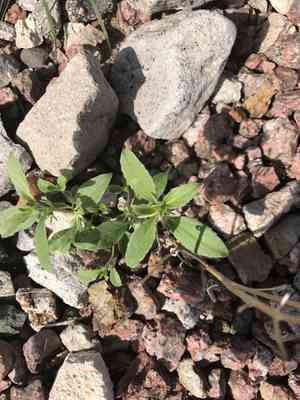
Yuma silverbush is a perennial species recognized for its hardiness in dry climates. For propagation, confirm that seeds are planted in soil with good drainage, and sustain a steady warm temperature. Gently cover with substrate, then spray to preserve dampness. Sufficient light and infrequent watering are crucial for developing strong seedlings. Consistent thinning will foster vigorous development.
Optimal Period for Yuma Silverbush Propagation
Propagation Method
Seeding
Propagation Period
Spring
Equipment Utilized in Yuma Silverbush Propagation
Seed Trays
Seed trays offer a controlled setting for seed germination. They facilitate organized planting and easy observation of yuma silverbush seedlings' development.
Propagation Mix
A balanced propagation mix guarantees proper drainage and air circulation, crucial for yuma silverbush seed germination. It supports seedling growth by supplying vital nutrients.
Misters/Spray Bottles
Misters or spray bottles are vital for sustaining moisture levels in the propagation environment. Gentle misting prevents soil from drying out without displacing yuma silverbush seeds.
Humidity Dome
A humidity dome aids in retaining moisture and establishing a microclimate favorable for yuma silverbush germination and initial growth. It can significantly boost propagation success rates.
Heat Mat
A heat mat supplies bottom heat, which can enhance the germination rate and accelerate the process by maintaining ideal soil temperatures for yuma silverbush.
Seed Labels
Seed labels are essential for tracking various sowing dates and seed batches, ensuring effective monitoring and management of yuma silverbush seedlings.
Light Source
An auxiliary light source, such as grow lights, is important to ensure yuma silverbush seedlings receive sufficient light if cultivated indoors or in low-light conditions, promoting robust growth.
Method for Propagating Yuma Silverbush
Propagation Type
Simple
Post-Propagation Care for Your Yuma Silverbush
Post-Propagation Care for Your Yuma Silverbush
Following transplanting, water yuma silverbush consistently but moderately, allowing the soil to dry between waterings. Provide full sun to partial shade. Apply mulch around the base to retain moisture and inhibit weeds. Monitor for pests and diseases, and trim any damaged or leggy growth to encourage a bushier form. Ensure well-drained soil to prevent root rot.
Common Errors to Avoid When Propagating Yuma Silverbush
Overwatering
This can lead to root rot and fungal infections, as yuma silverbush prefers well-draining soil.
Incorrect Soil Type
Using dense, clay-rich soils can hinder proper drainage and root development, negatively impacting growth.
Inadequate Light
Insufficient light can result in leggy growth and weak plants. Yuma silverbush thrives in full sunlight.
Improper Cutting Techniques
Using dull or contaminated tools can damage plant tissues and introduce pathogens, impeding rooting success.
Neglecting Humidity Levels
Failure to provide adequate humidity can cause cuttings to dry out, preventing rooting.
Advice for Propagating Yuma Silverbush
Utilize Well-Draining Soil
Choose sandy or loamy soil mixes to ensure excess water drains away, preventing root problems.
Provide Full Sunlight
Position yuma silverbush in an area where it receives ample sunlight, promoting stronger and healthier development.
Use Sterile, Sharp Tools
Ensure tools are clean and sharp to make precise cuts, reducing damage and infection risks.
Maintain Appropriate Humidity
Employ a humidity dome or mist regularly to keep the environment moist, aiding in cutting survival and rooting.
Regular Monitoring
Check frequently for signs of disease or pest infestations and address issues promptly to prevent spread.



