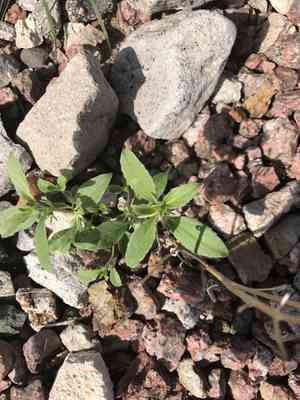
Yuma silverbush (Ditaxis serrata)
Also known as: California silverbush
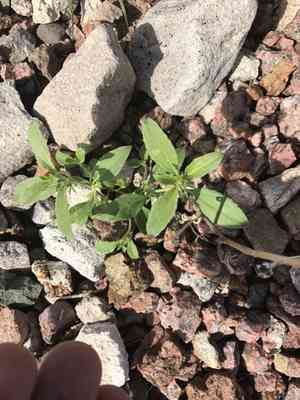
The Yuma silverbush (Ditaxis serrata) gets its common name from its green leaves, which are densely covered in fine, white hairs that give them a silvery appearance. The term "serrata" in its scientific name highlights the serrated edges of the leaves, while "Ditaxis" refers to the plant’s unique dual-whorled stamens. Although the plant has visually appealing leaves and small flowers, it is not often cultivated for ornamental purposes.
In This Article
Attributes of Yuma silverbush
Lifespan
Perennial
Plant Type
Herb
Plant Height
0 mm to 30 cm
Spread
Not applicable, herbaceous plant
Leaf Color
Green
Flower Size
1-2 mm
Flower Color
Greenish
Images of Yuma silverbush
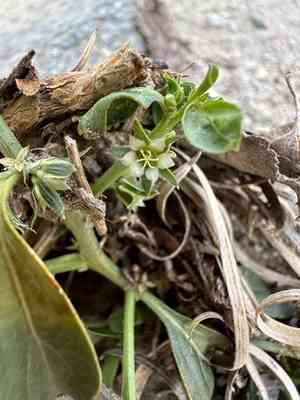
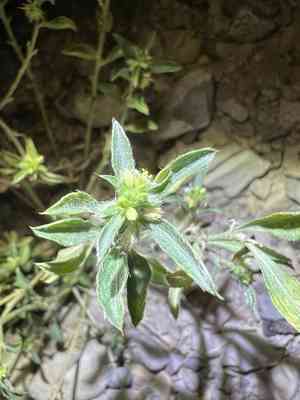
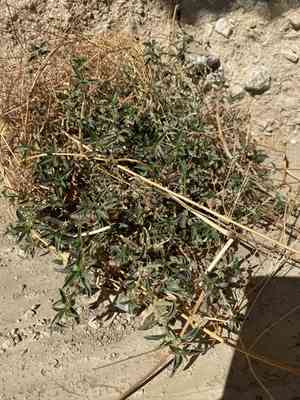
Quickly Identify Yuma silverbush
1
Ditaxis serrata can be identified by its smooth stems and leaves, which are typically serrated at the edges. The plant also produces small, inconspicuous flowers.
Scientific Classification of Yuma silverbush
Phylum
Vascular plants
Class
Dicotyledons
Order
Malpighiales
Family
Spurge
Genus
Ditaxis
Species
Yuma silverbush
Planting and Growing of Yuma silverbush
Care Difficulty
Hard
Watering Schedule
Every 2 days
Sunlight Requirements
Full sun
Sunshine Duration
6-8 hours
Ideal Temperature
68-86℉
Soil Type
Potting Mix, Peat Mix
Soil pH
6.5-7.5
Fertilizer Type
Balanced
Pruning Season
Spring, Summer
Pruning Area
Branches, Leaves
Pruning Frequency
Once a year
Repotting Season
Spring
Pot Type
Plastic, Ceramic
 How to Water Yuma silverbush?
When watering Ditaxis serrata, ensure that the soil is thoroughly moistened but not waterlogged. The general strategy is to provide about 250 ml of water per session. The soil should feel damp to the touch but able to dry out slightly between waterings to avoid root rot.
What are the symptoms of an underwatered Yuma silverbush?
›
What should I do if my Yuma silverbush is not getting enough water?
›
What are the symptoms of an overwatered Yuma silverbush?
›
How to save an overwatered Yuma silverbush?
›
 What Are the Sunlight Requirements for Yuma silverbush?
Ditaxis serrata prefers a light range characterized by full to partial sun, which supports its comprehensive health benefits, including energetic growth and lush foliage, by utilizing available sunlight effectively for photosynthetic activities.
What are the ideal lighting conditions for Ditaxis serrata?
›
How can I ensure Ditaxis serrata gets ideal light conditions?
›
What are the benefits of providing ideal lighting to Ditaxis serrata?
›
 What Is the Ideal Temperature Range for Yuma silverbush?
For optimal growth, Ditaxis serrata thrives best in mild climates with temperatures ranging from 68°F to 86°F. This range ensures that the plant can grow steadily without the stress that extreme temperatures can induce. Cultivating Ditaxis serrata within this temperature window will help maintain its health and vitality, fostering robust growth and resilience against potential pests and diseases.
 What Soil is Best for Yuma silverbush?
Ditaxis serrata thrives in well-drained soil, which prevents waterlogging and root rot. Proper drainage allows air circulation around the roots, promoting healthy growth and reducing the risk of fungal diseases. This plant prefers soils with moderate nutrient content. Excessive nutrients can lead to rapid growth with weak stems, while low nutrient levels may slow down the overall development. Balanced soil ensures robust and resilient plants. A sandy or sandy loam soil texture supports Ditaxis serrata, allowing roots to expand easily and absorb nutrients efficiently. The loose structure of the soil helps maintain optimal aeration and moisture retention, benefiting growth.
 How to Fertilize Yuma silverbush?
Ditaxis serrata benefits from moderate fertilization. When using liquid fertilizer, apply approximately 1 teaspoon per gallon of water. This concentration provides adequate nutrients without overwhelming the plant. For slow-release fertilizers, using a balanced formula such as 10-10-10 or 14-14-14 is recommended. Apply at a rate of 2 ounces per square foot of soil.
 How to Prune Yuma silverbush?
Begin by inspecting the plant for dead or damaged branches, which should be removed first to promote healthier growth. Use sharp, clean pruning shears to make clean cuts just above a leaf node. Trim back any excessively long stems to maintain the plant's shape and encourage fuller foliage. Be sure to step back periodically to assess the plant's overall form as you prune. To shape Ditaxis serrata, focus on achieving a balanced and symmetrical appearance. Trim around the plant to maintain the desired size and form. Consider the natural growth pattern of the plant and prune accordingly to avoid an unnatural appearance. Regular maintenance pruning helps to control the plant’s spread and keeps it looking tidy and vibrant.
More About Pruning Techniques→
 How to Propagate Yuma silverbush plant?
1
Begin by obtaining seeds of Ditaxis serrata and soak them in water for 24 hours. This will help in softening the seed coat and enhancing germination rates once planted.
2
Select healthy stems from the mother plant when preparing cuttings. Make sure the cuttings are about 3-4 inches long and free from diseases and pests before planting.
3
Place the seeds or cuttings in a well-drained potting mix. Cover seeds lightly with soil, while cuttings should be inserted at least 1 inch deep for stability.
 How to Repot Yuma silverbush plant?
1
Ditaxis serrata should be repotted when you notice roots growing through the drainage holes, or if the plant becomes rootbound, showing signs of stress like wilting or stunted growth.
2
Select a pot that's 2-3 inches larger in diameter than the current one. This ensures ample space for root growth without water logging, which can prevent root rot.
3
Use a well-draining cactus mix to mimic the plant's natural arid environment. This type of soil prevents water accumulation, reducing the risk of root rot.
Learn More About Yuma silverbush Diseases
Anthracnose
Bacterial Leaf Spot
Bacterial Soft Rot
Bacterial Wilt
Chemical Injury
Cyst Nematode
Damping-off
Downy Mildew
Drought Stress
Fusarium Wilt
Gray Mold
Leaf Curl
Leaf Spot
Mosaic
Nutrient Deficiency
Nutrient Toxicity
Powdery Mildew
Root Rot
Root-knot Nematode
Rusts
Sooty Mold
Spider Mites
Temperature Stress
Thrips Damage
White Mold



