How to Propagate Greenleaf ticktrefoil?
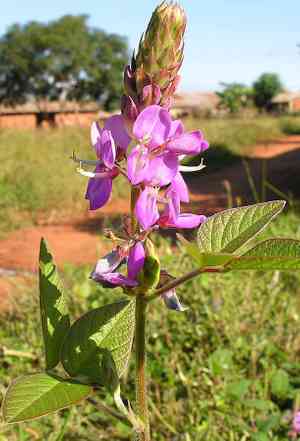
Recognized for its robust development and capacity to fix nitrogen, greenleaf ticktrefoil is a hardy legume. For propagation, ensure the soil drains effectively and retains consistent dampness. Soaking seeds in warm water beforehand enhances sprouting. Planting seeds directly into the earth or initiating them in a regulated setting guarantees successful growth. Consistent irrigation and defense against pests are vital until the young plants are firmly rooted.
Optimal Period for Greenleaf Ticktrefoil Propagation
Propagation Method
Sowing
Propagation Period
Spring
Tools Required for Greenleaf Ticktrefoil Propagation
Seed Trays
Seed trays are vital for starting greenleaf ticktrefoil from seed, offering a controlled setting for germination. Their consistent depth ensures even soil distribution, aiding in ideal moisture retention and root growth. Seed trays also simplify monitoring and eventual transplanting.
Seedling Heat Mat
A seedling heat mat provides steady warmth, which is critical for greenleaf ticktrefoil germination. The regulated heat supply boosts the speed and success rate of germination, maintaining a stable temperature for the root zone.
Moisture Retention Dome
A moisture retention dome helps maintain high humidity and stable temperatures within the seed tray. This is especially beneficial for greenleaf ticktrefoil, as it creates an ideal microenvironment for germination and early seedling development.
Fine-Mesh Sieve
A fine-mesh sieve is used to create a smooth, fine-textured seed-starting mix, free of large particles. This helps provide greenleaf ticktrefoil seeds with a well-aerated medium that encourages root penetration and reduces the chance of damping-off disease.
Gentle Watering Can
Using a gentle watering can ensures greenleaf ticktrefoil seeds are watered without disturbing the soil or dislodging seeds. This tool helps maintain the delicate moisture balance needed for successful seed germination and seedling growth.
Markers and Labels
Markers and labels are crucial for tracking greenleaf ticktrefoil seeds during propagation. They prevent confusion with other species and ensure precise monitoring and care for each batch of seedlings.
Sterilized Pruning Shears
Pruning shears may be needed for trimming any damaged roots or leaves when transplanting greenleaf ticktrefoil seedlings. Sterilized shears prevent disease spread and ensure clean cuts, promoting healthy plant development.
How to Propagate Greenleaf Ticktrefoil?
Propagation Difficulty
Easy
Post-Propagation Care for Greenleaf Ticktrefoil
Post-Propagation Care for Greenleaf Ticktrefoil
After transplanting, ensure greenleaf ticktrefoil receives adequate sunlight, ideally full sun to partial shade. Water regularly to keep the soil consistently moist but not waterlogged. Apply mulch around the plant bases to retain moisture and suppress weeds. Fertilize with a balanced, slow-release fertilizer during the growing season to encourage healthy growth. Monitor for pests and diseases, and take appropriate action if necessary. Prune as needed to maintain shape and promote bushier growth.
Common Errors to Avoid When Propagating Greenleaf Ticktrefoil
Improper Soil Selection
Using soil with poor drainage can lead to root rot and other fungal issues, negatively impacting the plant's health.
Incorrect Watering
Overwatering or underwatering can stress the plant, resulting in poor root development and low propagation success.
Inadequate Light
Insufficient light can lead to weak, leggy growth, hindering the establishment of new plants.
Ignoring Pest Control
Allowing pests to infest plants can severely damage young plants, disrupting their growth and survival.
Using Untreated Seeds
Using seeds without proper scarification can result in poor germination rates, as greenleaf ticktrefoil seeds have tough seed coats.
Advice for Propagating Greenleaf Ticktrefoil
Choose Well-Draining Soil
Use a mix that allows water to drain efficiently, preventing root rot and other fungal diseases.
Monitor Watering Regularly
Keep the soil consistently moist but not waterlogged, ensuring optimal conditions for root development.
Provide Adequate Light
Place plants in a location with ample indirect light to promote healthy, vigorous growth.
Implement Pest Control Measures
Inspect regularly for pests and take proactive steps to control infestations, ensuring young plants remain healthy.
Perform Seed Scarification
Soak seeds in warm water before planting or lightly nick the seed coat to improve germination rates and ensure successful propagation.



