How to Propagate Graham's ticktrefoil?
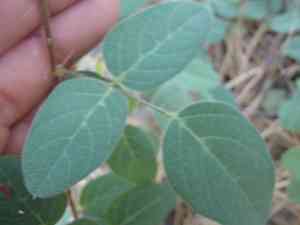
Desmodium grahamii flourishes in soil with good drainage, favoring sun-drenched spots yet enduring some dappled light. To propagate, plant seeds directly into the earth, making sure they have good air circulation and sufficient hydration. A beneficial approach involves scarifying the seeds or steeping them overnight to facilitate sprouting. Furthermore, propagating via cuttings, while ensuring steady watering and humidity, can boost successful outcomes. These specific methods guarantee robust plant development.
Optimal Period for Graham's Ticktrefoil Propagation
Propagation Method
Seeding
Propagation Period
Spring
Tools Utilized in Graham's Ticktrefoil Propagation
Seed Tray
An essential item for initiating graham's ticktrefoil seeds. It aids in organizing seeds and offers a regulated environment for sprouting.
Seed Starting Mix
Employing a premium seed starting mix guarantees a sterile, nutrient-rich substrate that fosters robust seedling growth for graham's ticktrefoil.
Humidity Dome
A humidity dome sustains the necessary moisture levels and provides a warm setting, boosting the germination rate of graham's ticktrefoil seeds.
Heating Mat
This device delivers consistent soil warmth, vital for the germination of graham's ticktrefoil. Optimal soil temperature accelerates development and strengthens seedlings.
Mister
A mister dispenses a fine water spray, which helps keep the seed starting mix damp without the risk of overwatering graham's ticktrefoil seedlings.
Seed Dibber
A seed dibber enables precise planting depth, ensuring graham's ticktrefoil seeds are sown at the ideal depth for successful germination.
Labeling Tags
Labeling tags are crucial for identifying and tracking graham's ticktrefoil seedlings, especially when propagating multiple plant varieties.
Plant Grow Lights
Supplemental lighting ensures graham's ticktrefoil seedlings receive adequate illumination, promoting strong, healthy growth particularly in low-light conditions.
How to Propagate Graham's Ticktrefoil?
Propagation Type
Simple
How to Nurture Your Newly Propagated Graham's Ticktrefoil?
How to Nurture Your Newly Propagated Graham's Ticktrefoil?
Post-propagation, ensure graham's ticktrefoil receives consistent watering to keep the soil uniformly moist but not saturated. Provide a partially shaded spot and shield young plants from strong winds and direct sun. Mulch around the plant's base to retain soil moisture and suppress weeds. Lightly fertilize with a balanced, water-soluble feed every 4-6 weeks during the growing season to encourage healthy development.
Common Errors to Avoid When Propagating Graham's Ticktrefoil
Insufficient Watering
Inadequate hydration can lead to drying out of cuttings or poor root formation, severely impacting propagation success.
Poor Soil Selection
Using dense, non-draining soil can result in waterlogging, which may cause root rot and hinder root development.
Inadequate Light
Failure to provide the correct light balance can lead to weak, leggy plants or scorched leaves if exposed to direct sunlight for extended periods.
Incorrect Cuttings Preparation
Taking cuttings from unhealthy or non-vigorous plant parts can result in low propagation success rates.
Ignoring Pest Control
Allowing pests to infest the propagation area can harm young plants or spread diseases that impede growth.
Advice for Propagating Graham's Ticktrefoil
Consistent Moisture
Ensure the propagation medium stays consistently damp but not waterlogged to encourage healthy root development.
Well-Draining Soil
Utilize a light, well-draining soil mix to prevent water retention, which can lead to root rot.
Indirect Light
Position cuttings in bright but indirect light to promote healthy growth without scorching the plants.
Healthy Cuttings
Select healthy, robust stems for cuttings to enhance the likelihood of successful propagation.
Regular Pest Checks
Monitor for pests frequently and take prompt action to prevent infestations from harming young plants.



