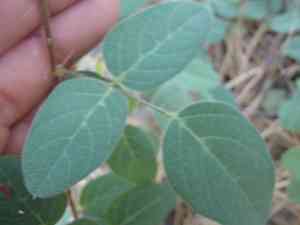
Graham's ticktrefoil (Desmodium grahamii)
Also known as: Graham's tick clover
Graham's ticktrefoil is a perennial plant characterized by its trifoliate leaves and delicate, pinkish-purple flowers that grow in clusters. It features fine hairs on its stems and flourishes in environments like open woodlands and prairies, adapting well to different light conditions. Its seedpods possess hook-like hairs that cling to animals or clothing, facilitating seed dispersal by allowing the seeds to hitch a ride to new locations, thus aiding in the plant's propagation and colonization of diverse areas.
In This Article
Attributes of Graham's ticktrefoil
Lifespan
Perennial
Plant Type
Herb
Plant Height
30-60 cm
Spread
Variable
Leaf Color
Green
Flower Size
1-2 cm
Flower Color
Pink to purple
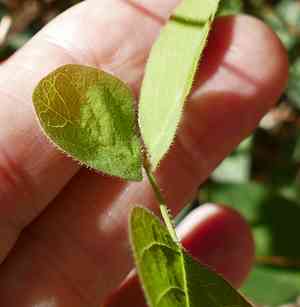
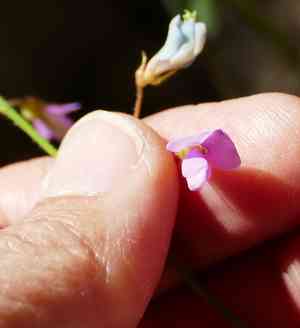
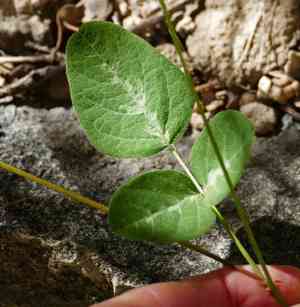
Images of Graham's ticktrefoil
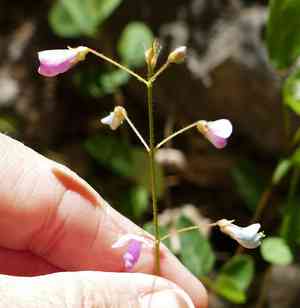
Quickly Identify Graham's ticktrefoil
1
Desmodium grahamii can be identified by its trifoliate leaves, pink to purple flowers, and its distinctive seed pods, which are segmented and can cling to animals and clothing.
Scientific Classification of Graham's ticktrefoil
Phylum
Vascular plants
Class
Dicotyledons
Order
Fabales
Family
Legume
Genus
Tick clover
Species
Graham's ticktrefoil
Planting and Growing of Graham's ticktrefoil
Care Difficulty
Moderate
Watering Schedule
Every 4 days
Sunlight Requirements
Partial sun
Sunshine Duration
4-8 hours
Ideal Temperature
70-80℉
Soil Type
Potting Mix, Peat Mix
Soil pH
6.5-7.5
Fertilizer Type
Balanced
Pruning Season
Spring, Summer
Pruning Area
Branches, Leaves
Pruning Frequency
2 times a year
Repotting Season
Spring
Pot Type
Plastic, Ceramic
 How to Water Graham's ticktrefoil?
Desmodium grahamii prefers moderate watering. Each time, ensure the soil is moistened with about 250ml of water, allowing the top inch to dry before watering again. This helps prevent root rot while providing adequate hydration.
What are the symptoms of an underwatered Graham's ticktrefoil?
›
What should I do if my Graham's ticktrefoil is not getting enough water?
›
What are the symptoms of an overwatered Graham's ticktrefoil?
›
How to save an overwatered Graham's ticktrefoil?
›
 What Are the Sunlight Requirements for Graham's ticktrefoil?
Desmodium grahamii flourishes in partial sun conditions, benefiting from a balanced exposure that promotes robust growth, adequate chlorophyll synthesis, and optimal blooming.
What is the ideal lighting setting?
›
How to achieve the ideal lighting conditions?
›
What benefits does ideal lighting provide?
›
 What Is the Ideal Temperature Range for Graham's ticktrefoil?
What are the ideal temperature conditions for Desmodium grahamii growth? Desmodium grahamii thrives best in a temperature range between 70°F and 80°F. This range ensures optimal physiological processes, including photosynthesis and nutrient uptake. Consistent temperatures within this range help maintain healthy plant growth and prevent stress.
 What Soil is Best for Graham's ticktrefoil?
Desmodium grahamii thrives in nutrient-rich loam that provides the essential minerals needed for growth. This fertility contributes to vigorous foliage and vibrant blooms, essential for its ornamental appeal and ecological role in supporting pollinators. To prevent root rot, Desmodium grahamii requires well-drained soil conditions. Proper drainage ensures that the roots receive adequate oxygen, promoting healthy plant development and reducing the risk of fungal diseases. This plant prefers moderately moist soil, which maintains consistent hydration while avoiding waterlogging. This balance is critical for sustaining the plant's metabolic activities and supporting its overall vitality.
 How to Fertilize Graham's ticktrefoil?
For Desmodium grahamii, apply liquid fertilizer at a concentration of half the recommended strength for typical houseplants. Use approximately 5ml of liquid fertilizer per liter of water. When using slow-release fertilizers, scatter 10 grams per square meter around the base of the plant ensuring even distribution.
 How to Prune Graham's ticktrefoil?
Begin by inspecting the plant for any dead or diseased branches; these should be removed first. Use clean, sharp pruning shears to make clean cuts at a 45-degree angle close to the main stem. Remove any crossing branches to prevent rubbing and potential damage. Also, trim back excessive growth to maintain a balanced shape and encourage bushier development. Always make cuts above a leaf node to stimulate healthy new shoots. For Desmodium grahamii, maintaining a compact and balanced shape is essential. To achieve this, make selective cuts to encourage a full and dense form. Regularly pinch back the tips of new growth throughout the seasons to promote branching out rather than vertical growth. By doing this, the plant will have a more aesthetically pleasing and vigorous appearance.
More About Pruning Techniques→
 How to Propagate Graham's ticktrefoil plant?
1
Collect mature seeds and soak them in water for 24 hours. This helps in breaking dormancy and ensures better germination rates. After soaking, plant them in seed trays filled with well-draining soil mix.
2
Select healthy parent plants and use pruning shears to cut 4-6 inch stems. Remove leaves from the bottom part of the cutting and dip it into a rooting hormone to promote faster root development.
3
Insert the treated cuttings into a pot filled with a sterile growing medium. Ensure at least half of the stem is buried and water lightly. Cover with a plastic bag to maintain humidity.
 How to Repot Graham's ticktrefoil plant?
1
Desmodium grahamii indicates it's time for a repot when roots start to escape through drainage holes or the soil becomes compact or waterlogged. These signs scream for room to grow and fresh nutrients.
2
Opt for a new pot that’s one size larger with drainage holes. A pot that’s too large may lead to water retention, but perfect size ensures healthy root spread, avoiding root rot and promoting lush foliage.
3
A loamy, well-draining soil mix enriched with organic matter suits Desmodium grahamii. This soil structure keeps roots aerated, delivering essential nutrients efficiently and preventing root rot.
Learn More About Graham's ticktrefoil Diseases
Anthracnose
Bacterial Leaf Spot
Bacterial Wilt
Crown Gall
Cyst Nematode
Damping-off
Downy Mildew
Drought Stress
Fusarium Wilt
Gray Mold
Leaf Curl
Leaf Spot
Mosaic
Nutrient Deficiency
Nutrient Toxicity
Powdery Mildew
Root Rot
Root-knot Nematode
Rusts
Sooty Mold
Spider Mites
Temperature Stress
Thrips Damage
White Mold
Chemical Injury



