How to Propagate Hairy small-leaf tick-trefoil?
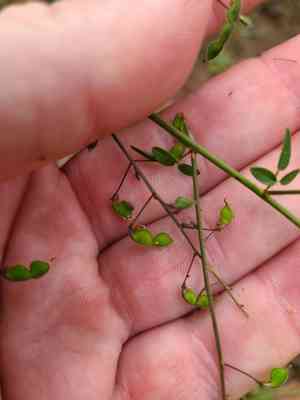
Desmodium rotundifolium flourishes optimally in adequately drained earth exposed to abundant sunlight or dappled light. Seed propagation is a viable technique. Verify that seeds are cleansed and devoid of foreign matter prior to planting. Direct seeding into the garden can yield positive results if the ground remains uniformly damp. Implementing a period of cold stratification may boost germination success. After establishment, irrigation should be temperate, fostering the plant's robust characteristics.
When Is the Optimal Time to Propagate Hairy Small-leaf Tick-trefoil?
Propagation Method
Sowing
Propagation Period
Spring
What Tools Are Utilized for Hairy Small-leaf Tick-trefoil Propagation?
Seed Trays
Seed trays offer a controlled setting for planting hairy small-leaf tick-trefoil seeds. They aid in organizing and safeguarding seeds, promoting uniform germination and development. Utilize trays with sufficient drainage to prevent waterlogging, which can cause seed decay.
Potting Mix
A well-draining potting medium is crucial for the successful sprouting of hairy small-leaf tick-trefoil seeds. This mixture should be light and contain a balanced blend of organic materials to support root growth and maintain appropriate moisture levels.
Humidity Dome
A humidity dome placed over seed trays helps maintain stable moisture levels and temperature, vital for the germination of hairy small-leaf tick-trefoil seeds. It creates a miniature greenhouse effect, providing a consistent environment that speeds up sprouting.
Seed Dibber
A seed dibber is employed to create uniform holes in the potting mix for planting hairy small-leaf tick-trefoil seeds at the correct depth. This tool ensures seeds are evenly spaced and properly buried, which is important for consistent germination.
Spray Bottle
A spray bottle allows for gentle watering of hairy small-leaf tick-trefoil seeds without dislodging them. Consistent moisture is critical for germination, and a spray bottle ensures even water distribution without saturating the seeds.
Labels
Using plant labels to mark seed trays or pots is essential for tracking different plantings of hairy small-leaf tick-trefoil. This assists in monitoring progress and provides crucial information for future gardening decisions.
Heating Mat
A heating mat positioned beneath seed trays provides consistent bottom warmth, which can boost germination rates for hairy small-leaf tick-trefoil. This tool is especially useful in colder climates or during off-season planting.
Grow Lights
If natural light is insufficient, grow lights can supply the necessary illumination for hairy small-leaf tick-trefoil seedlings to develop robustly. Adequate light ensures proper photosynthesis and prevents weak, elongated growth.
Seedling Transplanting Tool
A seedling transplanting tool facilitates the transfer of germinated hairy small-leaf tick-trefoil seedlings to larger containers or outdoor beds. This tool minimizes root disturbance and reduces transplant shock, promoting healthier growth.
How to Propagate Hairy Small-leaf Tick-trefoil?
Propagation Type
Simple
How to Care for Your Newly Propagated Hairy Small-leaf Tick-trefoil?
How to Care for Your Newly Propagated Hairy Small-leaf Tick-trefoil?
Following germination, gradually introduce hairy small-leaf tick-trefoil seedlings to outdoor conditions through hardening off. This involves exposing seedlings to the outdoors for a few hours daily, progressively increasing the duration over a week. Transplant seedlings to their permanent spot in well-draining soil with full sun to partial shade. Maintain consistent watering, especially during dry spells, and apply a balanced, slow-release fertilizer to encourage healthy development. Regularly check for pests and diseases to ensure the vigorous growth of hairy small-leaf tick-trefoil.
Common Errors to Avoid When Propagating Hairy Small-leaf Tick-trefoil
Overwatering
Excessive irrigation can lead to root decay, hindering the establishment of new plants.
Using Heavy Soil
Dense or compact soils can result in poor drainage, negatively impacting root development and growth.
Incorrect Planting Depth
Planting too deep or too shallow can stress the plant and impede its development.
Lack of Proper Light
Insufficient light exposure can cause weak and leggy growth, reducing the chances of successful propagation.
Neglecting Pest Control
Failing to manage pest infestations can harm young plants and hinder their development.
Tips For Propagating Hairy Small-leaf Tick-trefoil
Use Well-Draining Soil
Choose a soil mix that ensures proper drainage to prevent root rot and encourage healthy growth.
Maintain Consistent Moisture
Keep the soil consistently damp but not waterlogged to promote strong root development.
Optimal Planting Depth
Plant cuttings at the correct depth to ensure proper establishment and root growth.
Ensure Sufficient Light
Provide adequate light to support robust and healthy growth, ideally in a location with indirect sunlight.
Monitor for Pests
Regularly check for pests and take prompt action to manage any infestations, ensuring the health of new plants.



