How to Propagate Tall mountain larkspur?
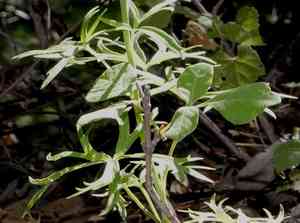
Delphinium exaltatum flourishes in elevated regions featuring rich, well-drained substrate. To achieve successful reproduction, disperse seeds in a prepped seedbed that retains uniform dampness. Utilize cold stratification to facilitate sprouting. Grouping these plants together improves their aesthetic impact and aids pollinator communities. Regularly inspect for infestations and ailments, and guarantee sufficient distance between plants for air circulation to avert fungal problems.
When Is the Optimal Period to Propagate Tall Mountain Larkspur?
Propagation Method
Seeding
Propagation Period
Spring
What Equipment Is Utilized for Tall Mountain Larkspur Propagation?
Seed Trays
Designed for planting seeds, these trays offer a controlled setting for germination, boosting the likelihood of successful seedling growth. Ensure proper drainage to avoid waterlogging, which can harm tall mountain larkspur.
Seed Compost
Premium seed compost guarantees a light and permeable soil, supplying essential nutrients and moisture for tall mountain larkspur seeds to sprout and develop vigorously.
Fine Seed Sieve
This implement aids in creating a thin layer of soil or compost over seeds, promoting uniform germination. The tiny, delicate seeds of tall mountain larkspur require careful covering for optimal light and moisture exposure.
Watering Can with Fine Rose
A watering can equipped with a fine rose attachment is vital for gentle irrigation, preventing the displacement of tall mountain larkspur seeds and young seedlings. Consistent moisture is key for seed germination.
Humidity Domes
These covers maintain elevated humidity and warmth around seeds, creating a miniature greenhouse effect. This is especially beneficial for tall mountain larkspur, which needs steady warmth for ideal germination.
Heat Mat
A heat mat positioned beneath seed trays ensures a stable and warm soil temperature, often necessary for tall mountain larkspur seeds to germinate effectively.
Labeling Stakes
Accurate labeling assists in tracking various planting dates and species. Labeling is crucial for monitoring the germination progress and health of tall mountain larkspur.
Sterilized Tools
Using disinfected tools such as seed dibbers and pruners prevents disease transmission. This precaution is essential for maintaining the health of tall mountain larkspur seedlings.
Light Source (Grow Lights)
During periods of low light, grow lights ensure tall mountain larkspur seedlings receive sufficient illumination for growth, mimicking natural sunlight and fostering healthy development.
How to Propagate Tall Mountain Larkspur?
Propagation Type
Simple
How to Care for Your Newly Propagated Tall Mountain Larkspur?
How to Care for Your Newly Propagated Tall Mountain Larkspur?
After propagation, tall mountain larkspur requires well-draining soil and full sun for optimal development. Regular watering is essential, keeping the soil moist but not waterlogged. Apply mulch around the base to retain moisture and suppress weeds. Fertilize with a balanced, slow-release fertilizer in early spring. Stake taller plants for support and deadhead spent blooms to encourage further flowering.
Common Errors to Avoid When Propagating Tall Mountain Larkspur
Overwatering
Excessive moisture can lead to root rot and fungal problems, severely impacting tall mountain larkspur's growth and vitality.
Improper Soil
Using soil that lacks adequate drainage can cause water accumulation, harming the roots and hindering the plant's ability to thrive.
Incorrect Cutting Techniques
Taking cuttings that are either too mature or too young can impede rooting success or significantly delay the process.
Inadequate Light
Insufficient light levels can result in weak or leggy growth, affecting the overall health and vigor of new plants.
Neglecting Pest Control
Failing to monitor and manage pests can lead to infestations that compromise the health of tall mountain larkspur during its vulnerable propagation phase.
Tips For Propagating Tall Mountain Larkspur
Well-Draining Soil
Utilize a soil mix that ensures good drainage, such as a blend of perlite, peat moss, and sand, to prevent root rot.
Proper Moisture Management
Keep the soil consistently moist but not saturated. Allow the top layer to dry slightly before re-watering.
Correct Cutting Selection
Choose healthy, semi-hardwood cuttings free from disease or pest damage to maximize rooting success.
Adequate Light Exposure
Provide bright, indirect light to encourage robust growth without causing leaf burn or stress.
Regular Monitoring
Frequently check for signs of pests or disease and act promptly to manage any issues, ensuring the plant remains healthy during propagation.



