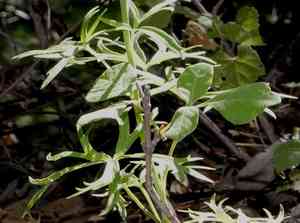
Tall mountain larkspur (Delphinium scopulorum)
Also known as: Rocky Mountain Larkspur
Tall mountain larkspur (Delphinium glaucum) is characterized by its striking, dolphin-like blue or purple flowers on tall spikes. This robust perennial flourishes in well-drained soils, often found in meadows, streambanks, and open forests. It prefers environments with full sun to partial shade and is particularly suited to montane and subalpine regions where its blossoms attract pollinators such as bees and hummingbirds.
In This Article
Attributes of Tall mountain larkspur
Lifespan
Perennial
Plant Type
Herb
Plant Height
30-100 cm
Spread
N/A
Leaf Color
Green
Flower Size
3-5 cm
Flower Color
Blue, purple
Images of Tall mountain larkspur
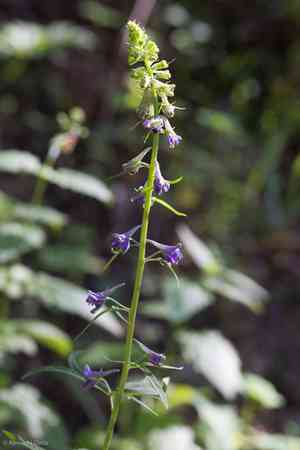
Quickly Identify Tall mountain larkspur
1
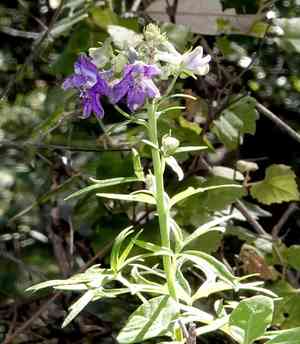
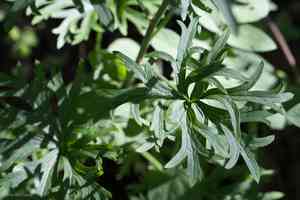
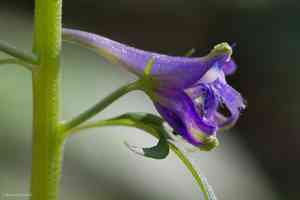
The plant can be identified by its tall, slender flower spikes, deeply lobed leaves, and bright blue to purple petals. The flowers typically have a spur that gives the genus its name.
Scientific Classification of Tall mountain larkspur
Phylum
Vascular plants
Class
Dicotyledons
Order
Ranunculales
Family
Buttercup
Genus
Larkspurs
Species
Tall mountain larkspur
Planting and Growing of Tall mountain larkspur
Care Difficulty
Moderate
Watering Schedule
Every 4 days
Sunlight Requirements
Partial sun
Sunshine Duration
6-10 hours
Ideal Temperature
60-75℉
Soil Type
Potting Mix, Peat Mix
Soil pH
6.5-7.5
Fertilizer Type
Balanced
Pruning Season
Spring, Summer
Pruning Area
Branches, Leaves
Pruning Frequency
2 times a year
Repotting Season
Spring
Pot Type
Plastic, Ceramic
 How to Water Tall mountain larkspur?
Delphinium scopulorum prefers consistent moisture but not soggy soil. Watering should ensure the soil is moist to a depth of about 10 to 15 centimeters, allowing the roots to absorb adequate moisture without leading to waterlogging. Overwatering can be harmful, so it’s crucial to let the top layer of soil dry out slightly between watering sessions.
What are the symptoms of an underwatered Tall mountain larkspur?
›
What should I do if my Tall mountain larkspur is not getting enough water?
›
What are the symptoms of an overwatered Tall mountain larkspur?
›
How to save an overwatered Tall mountain larkspur?
›
 What Are the Sunlight Requirements for Tall mountain larkspur?
Delphinium scopulorum prefers a full to partial sun environment. Ideal light promotes sturdy stems, vibrant foliage, and abundant flower spikes, enhancing ornamental value.
What kind of light does Delphinium scopulorum prefer?
›
How can you achieve this ideal lighting?
›
What are the benefits of ideal lighting for Delphinium scopulorum?
›
 What Is the Ideal Temperature Range for Tall mountain larkspur?
The ideal temperature range for growing Delphinium scopulorum is between 60°F and 75°F. This range is optimal for their growth and flowering, providing the conditions they thrive in. Maintaining this temperature range will ensure healthy plant development and improve their resistance to pests and diseases.
 What Soil is Best for Tall mountain larkspur?
Delphinium scopulorum thrives best in well-draining soil to prevent root rot. Soil that drains well ensures that the roots receive proper air circulation and are not waterlogged, enhancing plant health and vigor. This plant benefits from soil that is rich in organic matter. Nutrient-rich soil provides essential minerals and nutrients, ensuring robust growth and vibrant foliage. Consider amending the soil with compost for an added nutrient boost. While good drainage is crucial, the soil should also retain some moisture to support Delphinium scopulorum's needs. Sandy loam balances these aspects well, holding moisture while allowing excess water to escape.
 How to Fertilize Tall mountain larkspur?
For Delphinium scopulorum, the amount of fertilizer applied should be moderate and precise. Use a liquid fertilizer solution with a concentration of half the recommended strength per gallon of water. For solid fertilization, apply approximately half a tablespoon of balanced granular fertilizer around the base of each plant during its active growing seasons.
 How to Prune Tall mountain larkspur?
Begin by sterilizing your pruning shears to prevent disease spread. Next, identify dead or damaged stems, which are typically shriveled or discolored, and trim them back to healthy tissue. For encouraging bushier growth, pinch back the tips of young stems. In late summer or early autumn, deadhead spent blooms to extend the flowering season. Always make clean cuts at a 45-degree angle to facilitate proper healing.
More About Pruning Techniques→
 How to Propagate Tall mountain larkspur plant?
1
Choose a robust and disease-free plant as the source for cuttings or seeds. The health of the parent plant greatly affects the success rate of propagation.
2
Use well-draining soil mixed with equal parts of peat and perlite. This mixture ensures sufficient aeration and moisture retention for the new cuttings or seedlings.
3
Insert cuttings into the prepared soil at a 45-degree angle to maximize exposure to nutrients. This technique helps stimulate faster root development.
 How to Repot Tall mountain larkspur plant?
1
Delphinium scopulorum, or mountain larkspur, needs repotting when roots grow out of the drainage holes or the soil becomes compacted. Look out for reduced growth and persistent wilting as signs it's time to refresh its growing environment.
2
Select a pot that's 2-4 inches larger in diameter than the current one, ensuring it has adequate drainage holes. This size allows the plant to expand naturally, preventing root rot and promoting healthier growth overall.
3
Opt for a well-drained loamy soil mix that retains needed moisture but prevents waterlogging. This type of soil offers a balanced environment for the roots, enhancing nutrient uptake and resilience against root diseases.
Toxicity
Ingestion
WARNING
The judgment on toxicity and danger is for reference only. We DO NOT GUARANTEE any accuracy of such judgment. Therefore, you SHALL NOT rely on such judgment. It is IMPORTANT TO SEEK PROFESSIONAL ADVICE in advance when necessary.
Learn More About Tall mountain larkspur Diseases
Anthracnose
Bacterial Leaf Spot
Bacterial Wilt
Chemical Injury
Crown Gall
Cyst Nematode
Damping-off
Downy Mildew
Drought Stress
Fusarium Wilt
Gray Mold
Leaf Curl
Leaf Spot
Mosaic
Nutrient Deficiency
Nutrient Toxicity
Powdery Mildew
Root Rot
Root-knot Nematode
Rusts
Sooty Mold
Spider Mites
Temperature Stress
Thrips Damage
White Mold



