How to Propagate Three-ray tarweed?
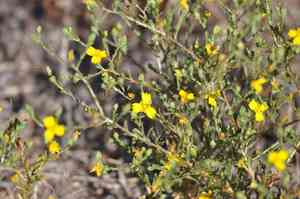
Hemizonia congesta ssp. luzulifolia originates from California, distinguished by its fragrant, adhesive leaves and golden flowers. To propagate, disperse seeds directly into substrate that drains effectively. Provide moderate moisture until the plants are established. Germination can be improved by gently pressing the seeds into the soil, leaving them partially exposed. Position in a brightly lit area for peak development. This method guarantees that Hemizonia congesta ssp. luzulifolia flourishes in an environment akin to its native setting, fostering robust growth.
Optimal Period for Three-ray Tarweed Propagation
Propagation Method
Seeding
Propagation Period
Spring
Tools Required for Three-ray Tarweed Propagation
Seed Starting Trays or Pots
These vessels offer a controlled setting for planting three-ray tarweed seeds. They facilitate proper spacing and ease of handling during the initial growth phase. Utilizing trays or pots ensures each seed receives adequate light, moisture, and nutrients for development.
Seed Starting Mix
A sterile, well-draining seed starting medium is vital for sowing three-ray tarweed seeds. It aids germination by providing a pathogen-free environment with balanced moisture and aeration. This mix helps prevent damping-off, a common issue in seed propagation.
Grow Lights
Supplementary illumination, particularly full-spectrum grow lights, guarantees three-ray tarweed seedlings get enough light for photosynthesis, encouraging robust growth and preventing etiolated seedlings. This is especially important if natural light is insufficient.
Heat Mat
A warming mat placed beneath seed trays can supply the consistent warmth needed to encourage three-ray tarweed seed germination. Maintaining an ideal temperature range is crucial for accelerating the germination process and ensuring uniform sprouting.
Humidity Dome
A humidity cover placed over seed trays or pots helps maintain a high-humidity environment, which is essential for three-ray tarweed seed germination. It reduces water loss and creates a microclimate that promotes quicker germination.
Spray Bottle
A spray bottle ensures gentle and even watering of three-ray tarweed seeds and young seedlings, preventing soil disturbance or seed displacement. It is crucial for maintaining consistent moisture without over-saturating.
How to Propagate Three-ray Tarweed?
Propagation Type
Simple
Caring for Your Newly Propagated Three-ray Tarweed
Caring for Your Newly Propagated Three-ray Tarweed?
Provide ample sunlight exposure and maintain a well-draining soil environment. Water sparingly as three-ray tarweed is drought-tolerant and prefers dry conditions once established. Regularly inspect for pests and diseases and remove any dead or damaged foliage to encourage healthy development.
Common Errors to Avoid When Propagating Three-ray Tarweed
Excessive Watering
Applying too much water can lead to root rot and other fungal infections, compromising plant health and killing young plants.
Inadequate Soil Preparation
Failing to prepare the soil correctly can result in poor drainage and nutrient distribution, hindering plant growth and development.
Insufficient Sunlight
Not providing enough light can lead to weak, elongated plants that struggle to thrive.
Improper Seed Handling
Poor management of seeds, such as planting too deep or too shallow, affects germination rates and seedling vigor.
Tips For Propagating Three-ray Tarweed
Ensure Good Drainage
Utilize well-draining soil to prevent root rot and other water-related issues.
Use Appropriate Soil Mix
Choose a sandy or loamy mixture that supports healthy root development and nutrient absorption.
Provide Adequate Light
Position plants in areas with full sun to promote robust growth and strong foliage.
Handle Seeds with Care
Plant seeds at the correct depth and keep the soil consistently moist but not waterlogged during germination.
Maintain Proper Spacing
Avoid overcrowding to ensure adequate air circulation, reducing the risk of disease.



