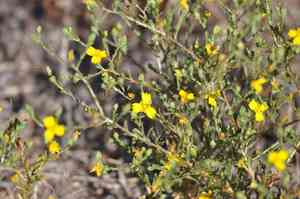
Three-ray tarweed (Deinandra lobbii)
Also known as: None
Arnica montana is a hardy flowering herb well-adapted to rocky terrains. Thriving in sunny areas, this perennial plant showcases tall, upright stems and narrow leaves. Its bright yellow, daisy-like flowers, characterized by long, slender petals encircling a central disk, attract numerous pollinators and significantly contribute to the local ecosystem.
In This Article
Attributes of Three-ray tarweed
Lifespan
Annual
Plant Type
Herb
Plant Height
0.2 to 0.6 meters
Spread
Not applicable (herbaceous plant)
Leaf Color
Green
Flower Size
Approximately 2 centimeters
Flower Color
Yellow
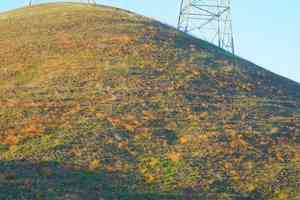
Images of Three-ray tarweed
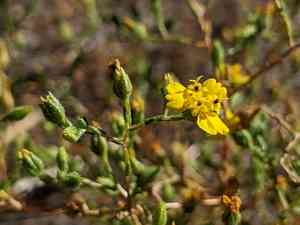
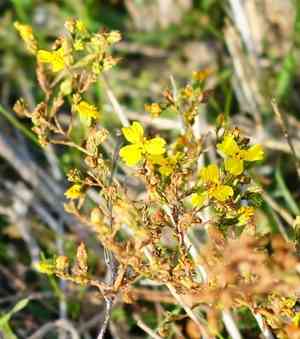
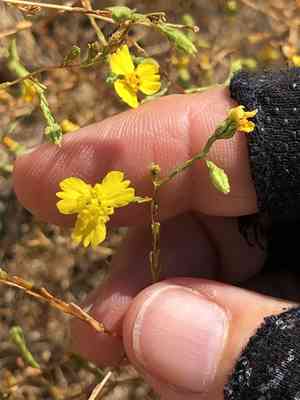
Quickly Identify Three-ray tarweed
1
To identify Deinandra lobbii, look for its glandular and hairy stems, yellow ray flowers that are about 3 to 4 millimeters long, and sticky resin that covers the plant.
Scientific Classification of Three-ray tarweed
Phylum
Vascular plants
Class
Dicotyledons
Order
Asterales
Family
Daisy
Genus
Otay tarplant
Species
Three-ray tarweed
Planting and Growing of Three-ray tarweed
Care Difficulty
Moderate
Watering Schedule
Every 2 days
Sunlight Requirements
Full sun
Sunshine Duration
4-8 hours
Ideal Temperature
65-75℉
Soil Type
Potting Mix, Peat Mix
Soil pH
6.5-7.5
Fertilizer Type
Balanced
Pruning Season
Spring, Summer
Pruning Area
Branches, Leaves
Pruning Frequency
2 times a year
Repotting Season
Spring
Pot Type
Plastic, Ceramic
 How to Water Three-ray tarweed?
For Deinandra lobbii, aim to water with approximately 150 mL each session. Ensure the soil feels consistently moist but not soggy. This balance helps maintain the plant's health, fostering vibrant growth and preventing root issues such as root rot.
What are the symptoms of an underwatered Three-ray tarweed?
›
What should I do if my Three-ray tarweed is not getting enough water?
›
What are the symptoms of an overwatered Three-ray tarweed?
›
How to save an overwatered Three-ray tarweed?
›
 What Are the Sunlight Requirements for Three-ray tarweed?
Deinandra lobbii performs optimally under full sun conditions. Providing consistent direct sunlight supports healthy photosynthesis, leading to lush foliage and prolific flowering, ensuring the plant's vigor and visual appeal.
How much direct sunlight does Deinandra lobbii need?
›
What happens if Deinandra lobbii doesn't get enough light?
›
What benefits does ideal sunlight provide to Deinandra lobbii?
›
 What Is the Ideal Temperature Range for Three-ray tarweed?
The ideal temperature range for growing Deinandra lobbii is between 65°F and 75°F. This range provides the optimal conditions for photosynthesis and growth, allowing the plant to thrive without stress from extreme temperatures.
 What Soil is Best for Three-ray tarweed?
Deinandra lobbii thrives in well-drained soils. Proper drainage prevents waterlogging that can lead to root rot, ensuring healthy plant growth and vitality. This plant prefers soils with moderate fertility. A balanced nutrient content supports robust development, leading to vibrant blooms and lush foliage. Soil with good aeration facilitates root respiration. Adequate oxygen supply in the root zone promotes root health and enhances nutrient absorption efficiency.
 How to Fertilize Three-ray tarweed?
For Deinandra lobbii, apply a balanced liquid fertilizer diluted to half strength. Each application should not exceed 100 ml per plant, ensuring nutrients support growth without overwhelming the roots.
 How to Prune Three-ray tarweed?
Always use clean, sharp shears to prune Deinandra lobbii. This ensures clean cuts, which prevent the spread of disease and encourage rapid healing. Sterilize your tools before and after pruning to maintain plant health. After pruning, water the plant adequately and apply a balanced fertilizer to support new growth. Monitor the plant for any signs of stress or disease following pruning and address any issues promptly to maintain overall plant health. Always wear protective gloves and eyewear when pruning to protect yourself from potential skin irritants or plant sap. Additionally, be mindful of your environment and make sure you have a stable footing before beginning the pruning process.
More About Pruning Techniques→
 How to Propagate Three-ray tarweed plant?
1
Collect seeds from mature Deinandra lobbii plants once they have dried naturally on the plant. Ensure the seeds are free from disease and are fully ripe to increase the chance of successful germination.
2
Sow the collected seeds in a seed tray filled with potting soil. Space the seeds evenly to avoid overcrowding, and cover lightly with a thin layer of soil to protect them while allowing light penetration.
3
After sowing, water the seeds gently to avoid washing them away. Maintain moist soil conditions without overwatering. As seedlings appear, gradually expose them to more light by moving them to brighter areas.
 How to Repot Three-ray tarweed plant?
1
Look for signs like roots growing out of drainage holes, slowed growth, or the plant becoming top-heavy. These indicate it's time to repot Deinandra lobbii. Spring or early summer, during the active growth period, is ideal for repotting.
2
Select a pot that is 1-2 inches larger in diameter than the current one, with good drainage holes. This prevents waterlogging and root rot, providing your plant with ample space to grow and thrive.
3
Opt for a well-draining, sandy loam soil mix. This ensures adequate drainage and nutrient retention, crucial for Deinandra lobbii's health, keeping its roots free from excess moisture and promoting robust growth.



