How to Propagate Texas flatsedge?
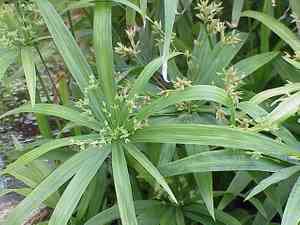
Texas flatsedge flourishes in damp, adequately drained substrates and favors abundant to moderate sunlight. For propagation, splitting is advisable. Gently excavate established clusters, minimizing root disruption, and divide them into smaller portions. Promptly replant at the identical soil depth in prepared ground, maintaining consistent moisture for successful integration. Initially, keep the nascent plants shaded to mitigate transplant stress.
Optimal Period for Texas Flatsedge Propagation
Propagation Method
Division
Propagation Period
Spring,Autumn
Tools Required for Texas Flatsedge Propagation
Garden Fork
A garden fork is vital for lifting and loosening the soil around texas flatsedge without harming its roots. Its strong tines efficiently penetrate the ground, simplifying the separation of individual plants during division.
Sharp Knife or Garden Shears
A sharp knife or garden shears are essential for making clean cuts when dividing texas flatsedge clumps. Clean cuts minimize disease risk and promote faster healing and establishment of divided sections.
Root Wash Tray
A root wash tray, which enables gentle root washing, helps remove soil to clearly identify division points on texas flatsedge. This ensures even small root sections are handled carefully, reducing damage and encouraging healthy regrowth.
Potting Containers
Potting containers are necessary for replanting divided texas flatsedge sections into individual pots. Select containers with proper drainage to prevent waterlogging and support initial growth post-division.
Sterilizing Solution
Using a sterilizing solution for tools before and after use helps prevent disease spread. This is especially important during texas flatsedge division, as multiple cuts and handling can expose plants to pathogens.
Watering Can or Hose with Fine Spray
A watering can or hose with a fine spray is beneficial for gently watering texas flatsedge after division and planting. This tool ensures roots stay moist without washing away soil or damaging young plants.
Rooting Hormone (Optional)
While not always required, rooting hormone can be applied to texas flatsedge's cut surfaces to encourage quicker root development and improve the establishment rate of divided sections.
How to Propagate Texas Flatsedge?
Propagation Type
Easy
Caring for Your Newly Propagated Texas Flatsedge
Caring for Your Newly Propagated Texas Flatsedge?
Post-propagation, ensure texas flatsedge receives consistent moisture, especially during dry spells. Regularly inspect for pests and diseases, and remove competing weeds. Fertilize during the growing season with a balanced feed to support healthy development. Prune any dead or damaged foliage to encourage new growth. With proper care, texas flatsedge will establish and flourish in its new location.
Common Errors to Avoid When Propagating Texas Flatsedge
Overwatering
Texas flatsedge is susceptible to excessively wet conditions, which can lead to root rot and poor health.
Incorrect Soil Choice
Using heavy, clay-rich soils can impede root development. Texas flatsedge prefers well-drained, sandy soils.
Insufficient Light Exposure
Texas flatsedge thrives in full sun to partial shade. Planting in too much shade can result in weak and elongated growth.
Crowding
Planting texas flatsedge too closely can restrict airflow and increase susceptibility to diseases and pests.
Neglecting Regular Monitoring
Failing to check for pests and diseases early can lead to significant damage before intervention is possible.
Tips For Propagating Texas Flatsedge
Adequate Water Management
Ensure the soil is moist but not waterlogged to prevent root rot while maintaining sufficient hydration.
Soil Type Consideration
Utilize a well-drained, sandy soil mix to create an optimal growing environment for texas flatsedge.
Light Requirements
Position texas flatsedge in bright, indirect light to ensure robust growth and prevent legginess.
Spacing
Provide ample space between plants to allow air circulation, reducing the risk of disease.
Regular Monitoring
Periodically check for pests such as spider mites and aphids, and treat promptly to maintain plant health.



