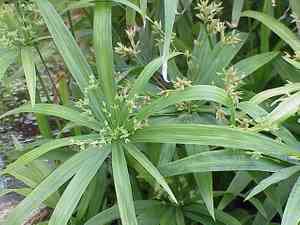
Texas flatsedge (Cyperus seslerioides)
Also known as: Cyperus gracilis
Texas flatsedge is a perennial plant characterized by its slender, grass-like leaves. It flourishes in wet, marshy environments, often found in wetlands, alongside streams, and in other water-logged areas. Its upright stems end in clusters of brownish spikelets, contributing to its distinctive appearance. This sedge is well-suited to moist, sandy, or muddy soils and plays a role in the biodiversity of wetland ecosystems.
In This Article
Attributes of Texas flatsedge
Lifespan
Perennial
Plant Type
Grass
Plant Height
30-50 cm
Spread
Not applicable
Leaf Color
Green
Flower Size
1-2 mm
Flower Color
Brown or Yellowish
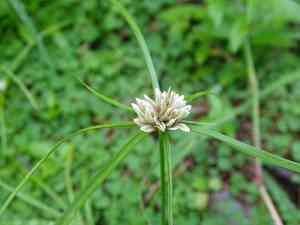
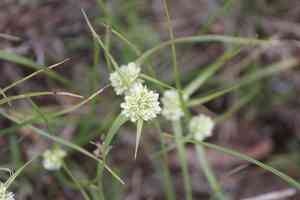
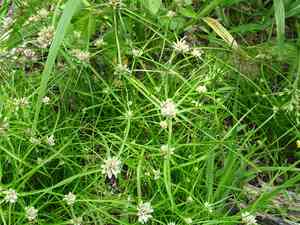
Images of Texas flatsedge
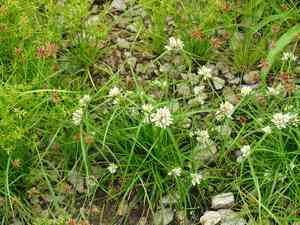
Quickly Identify Texas flatsedge
1
Cyperus seslerioides can be identified by its slender, grass-like stems and its small, spherical spikelets which are clustered together. The leaves are narrow, and the plant generally forms dense tufts.
Scientific Classification of Texas flatsedge
Phylum
Vascular plants
Class
Monocotyledons
Order
Poales
Family
Sedge
Genus
Nutgrasses
Species
Texas flatsedge
Planting and Growing of Texas flatsedge
Care Difficulty
Moderate
Watering Schedule
Every 3 days
Sunlight Requirements
Partial sun
Sunshine Duration
4-8 hours
Ideal Temperature
70-80℉
Soil Type
Potting Mix, Peat Mix
Soil pH
6.5-7.5
Fertilizer Type
Balanced
Pruning Season
Spring, Summer
Pruning Area
Branches, Leaves
Pruning Frequency
2 times a year
Repotting Season
Spring
Pot Type
Plastic, Ceramic
 How to Water Texas flatsedge?
For Cyperus seslerioides, it's crucial to provide around 200 milliliters of water per session. Aim to keep the soil consistently moist but not waterlogged. Water until it starts to drain from the bottom of the pot, ensuring the water penetrates deeply and reaches the root system adequately.
What are the symptoms of an underwatered Texas flatsedge?
›
What should I do if my Texas flatsedge is not getting enough water?
›
What are the symptoms of an overwatered Texas flatsedge?
›
How to save an overwatered Texas flatsedge?
›
 What Are the Sunlight Requirements for Texas flatsedge?
This plant's ideal light range includes partial to full sun, providing warmth and brightness necessary for photosynthesis. Ideal lighting ensures healthy, lush growth and a robust structure, reducing pest and disease susceptibility.
Is full sun ideal for Cyperus seslerioides?
›
What role does partial sun play in its growth?
›
How does optimal lighting affect Cyperus seslerioides?
›
 What Is the Ideal Temperature Range for Texas flatsedge?
For optimal growth of Cyperus seslerioides, maintaining a temperature range of 70°F to 80°F is ideal. This environment mimics the plant's natural conditions and promotes robust growth. At these temperatures, metabolic processes proceed efficiently, and photosynthesis rates are optimal, resulting in healthy plant development.
 What Soil is Best for Texas flatsedge?
Cyperus seslerioides thrives in soils with good drainage to prevent waterlogging, which can suffocate the roots and lead to plant diseases. This ensures the roots receive adequate oxygen, promoting vigorous growth and overall plant health. This plant benefits from soil that is rich in organic matter, which provides essential nutrients. Such nutrients support healthy foliage, robust root development, and bloom production, essential for ornamental or functional purposes. While well-drained soil is crucial, having moderate moisture retention helps in maintaining consistent hydration for Cyperus seslerioides. This condition is crucial for preventing drought stress, ensuring steady growth and development.
 How to Fertilize Texas flatsedge?
The recommended fertilizer amount for Cyperus seslerioides involves using half the recommended dose of a balanced 10-10-10 liquid fertilizer. Apply at half strength to avoid nutrient overload, ensuring the plant receives adequate nutrition without risking root burn or excessive growth.
 How to Prune Texas flatsedge?
Begin by locating any brown, yellow, or diseased leaves. Use your shears to cut these at their base where they meet the main stem, taking care to avoid damaging the healthy parts of the plant. Trim the plant evenly to maintain its desired shape. Cut back any overgrown stems to promote a bushier look and remove some inner stems if the plant appears too thick to improve air circulation. For vigorous growth and renewal, cut back older growth after the flowering season. This encourages new sprouts and maintains a manageable size for the plant.
More About Pruning Techniques→
 How to Propagate Texas flatsedge plant?
1
Collect mature seeds from the Cyperus seslerioides plant. Ensure that seeds are fully ripened before collection, as immature seeds have lower germination rates.
2
Use a well-draining potting mix and fill seed trays or pots. This creates an ideal environment for germination without the risk of waterlogging the seeds.
3
Evenly distribute the seeds on the surface of the soil and lightly cover them with a thin layer of soil. Ensure seeds are not buried too deep.
 How to Repot Texas flatsedge plant?
1
Repot Cyperus seslerioides when you notice its roots are crowded and peeking through the drainage holes, or when the plant's growth has slowed. These are indicators that it needs more space to continue growing healthily. Spring or Autumn is the ideal time for repotting as the weather is moderate, reducing stress on the plant.
2
Select a pot that is 2-3 inches larger in diameter than the current one. Ensure the pot has adequate drainage holes to prevent root rot. A slightly larger pot provides the necessary room for root expansion while preventing excessive water retention, which can harm the plant.
3
Opt for a well-draining sandy mix to mimic the natural habitat of Cyperus seslerioides. It should be nutrient-rich yet light enough to prevent waterlogging. This type of soil ensures roots receive adequate aeration and nutrients, promoting robust growth while minimizing the risk of root diseases.



