How to Propagate Salt marsh dodder?
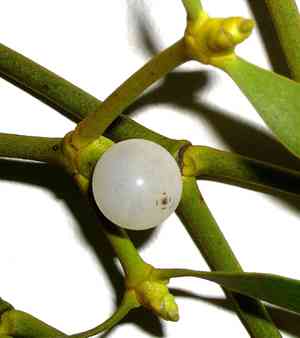
Cuscuta salina, a parasitic botanical species, depends on other flora for sustenance and development, rendering its reproduction distinct. Cultivators typically propagate Cuscuta salina by scattering seeds directly onto the specific host vegetation it will infest. Establishing a bond between these seeds and an appropriate host is essential, given that Cuscuta salina cannot thrive independently. It is recommended to select vigorous host specimens capable of sustaining the parasitic demands of Cuscuta salina without experiencing decline.
Optimal Time for Salt Marsh Dodder Propagation
Propagation Method
Seeding
Propagation Period
Spring
Tools for Salt Marsh Dodder Propagation
Seed Trays
Seed trays are vital for planting salt marsh dodder seeds, offering a controlled setting for even seed distribution and sprouting. They help maintain consistent moisture and temperature, both critical for salt marsh dodder germination.
Misting System
A misting system aids in sustaining the high humidity necessary for salt marsh dodder's successful germination and initial growth phases. It prevents the delicate seeds and seedlings from drying out, promoting higher germination rates and healthier early development.
Quality Potting Mix
Utilizing a well-draining, nutrient-rich potting mix supports the initial growth stages of salt marsh dodder by supplying essential nutrients and proper aeration. The mix facilitates root development and provides adequate support for young plants.
Heat Mat
A heat mat is crucial for maintaining ideal soil temperature, especially during colder months. This tool boosts the germination rate of salt marsh dodder by providing consistent warmth, which is essential for seed activation and growth.
Grow Lights
Grow lights are advantageous if propagating salt marsh dodder indoors or in low-light conditions. They ensure sufficient light exposure, vital for photosynthesis, and overall plant health during the early stages of growth, particularly when natural light is insufficient.
How to Propagate Salt Marsh Dodder?
Propagation Type
Simple
Caring for Newly Propagated Salt Marsh Dodder
Caring for Newly Propagated Salt Marsh Dodder
Following germination, salt marsh dodder will start seeking host plants to attach to. Provide suitable host plants in close proximity to the young salt marsh dodder, as it is a parasitic plant relying on other flora for sustenance. Regularly monitor the soil's moisture level and the health of both the host plants and salt marsh dodder. Minimize handling to avoid damaging the delicate stems of young salt marsh dodder.
Common Propagation Errors for Salt Marsh Dodder
Attempting soil propagation
A frequent error is trying to propagate salt marsh dodder using soil mediums. This can be harmful as salt marsh dodder is a parasitic plant that depends on a host for its nutrition rather than soil.
Misidentifying host plants
Selecting incorrect host plants can lead to unsuccessful propagation of salt marsh dodder because its ability to thrive is critically dependent on compatibility with its host.
Overwatering during propagation
Excessive watering can create an overly moist environment, which is unsuitable for salt marsh dodder as it might encourage fungal growth and hinder the plant's ability to attach to a host.
Tips for Propagating Salt Marsh Dodder
Selecting appropriate hosts
Carefully choose compatible host plants that meet the nutritional and ecological needs of salt marsh dodder to maximize the chances of successful attachment and growth.
Ensuring adequate exposure
Ensure that salt marsh dodder and its host are placed in an environment that allows proper air and light circulation, essential for their mutual health and the successful growth of salt marsh dodder.
Monitoring propagation environment
Regularly check the environment where salt marsh dodder is propagating to ensure that conditions remain favorable for its survival and attachment to the host.



