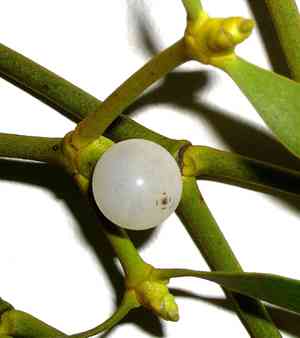
Salt marsh dodder (Cuscuta salina)
Also known as: Goldenthread
Salt marsh dodder is a parasitic vine that thrives in coastal salt marshes. It latches onto nearby host plants with its orange stems, drawing nutrients from them to survive. Despite often killing its hosts, this plant supports an ecosystem by providing food for pollinators, small mammals, and birds. It gets its name from its ability to flourish in saline marsh environments.
In This Article
Attributes of Salt marsh dodder
Lifespan
Perennial
Plant Type
Herb, Vine
Plant Height
30 cm to 1 m
Spread
30 cm to 1 m
Leaf Color
Scale-like, yellowish or absent
Flower Size
2-3 mm
Flower Color
White
Images of Salt marsh dodder
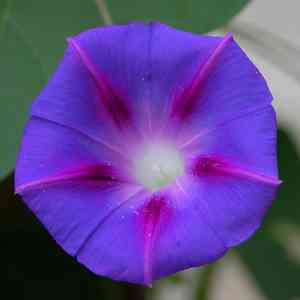
Quickly Identify Salt marsh dodder
1
Identify Cuscuta salina by its thin, twining, yellow-orange stems that lack leaves. It has small, scale-like structures in place of leaves and produces tiny white or pinkish flowers in clusters.
Scientific Classification of Salt marsh dodder
Phylum
Vascular plants
Class
Dicotyledons
Order
Solanales
Family
Morning-glory
Genus
Dodder
Species
Salt marsh dodder
Planting and Growing of Salt marsh dodder
Care Difficulty
Hard
Watering Schedule
Every 2 days
Sunlight Requirements
Partial sun
Sunshine Duration
4-8 hours
Ideal Temperature
68-77℉
Soil Type
Potting Mix, Peat Mix
Soil pH
6.5-7.5
Fertilizer Type
Balanced
Pruning Season
Spring, Summer
Pruning Area
Branches, Leaves
Pruning Frequency
2 times a year
Repotting Season
Spring
Pot Type
Plastic, Ceramic
 How to Water Salt marsh dodder?
Cuscuta salina requires moderate watering where the soil remains moist but not waterlogged. Use about 100 ml of water each time to achieve the right balance. Make sure the water penetrates well without leaving standing water.
What are the symptoms of an underwatered Salt marsh dodder?
›
What should I do if my Salt marsh dodder is not getting enough water?
›
What are the symptoms of an overwatered Salt marsh dodder?
›
How to save an overwatered Salt marsh dodder?
›
 What Are the Sunlight Requirements for Salt marsh dodder?
Cuscuta salina flourishes best under partial to full sun, benefiting from morning light. Such conditions support optimal growth and robust health.
What conditions are ideal for Cuscuta salina?
›
How to achieve ideal light conditions?
›
What benefits from the ideal lighting conditions?
›
 What Is the Ideal Temperature Range for Salt marsh dodder?
The ideal temperature range for growing Cuscuta salina is between 68°F and 77°F. This range provides optimal conditions for metabolic processes, allowing efficient nutrient uptake and energy production. Temperatures within this range promote healthy growth and maximize the plant's ability to thrive, minimizing stress-related issues.
 What Soil is Best for Salt marsh dodder?
Cuscuta salina thrives in well-draining soils as it prevents root rot, a common problem for many plants. This type of soil ensures that the plant's roots have access to oxygen and essential nutrients, promoting healthy growth and development. While Cuscuta salina is a parasitic plant and derives nutrition from host plants, nutrient-rich soil can enhance the health of its hosts. This indirectly benefits Cuscuta salina by ensuring a more sustained source of nutrients, improving its overall vitality. Cuscuta salina prefers moderately moist conditions that do not dry out completely. Ensuring the soil retains some moisture without being waterlogged aids in maintaining the host plants, thus indirectly supporting Cuscuta salina's nutrient intake.
 How to Fertilize Salt marsh dodder?
Cuscuta salina, commonly known as salt marsh dodder, is a parasitic plant with unique requirements. Since it doesn't have roots or photosynthesize, its fertilization needs are minimal. It derives most nutrients from the host plant, requiring only very light supplementary feeding. Use a half-strength liquid fertilizer solution to avoid overwhelming this sensitive species.
 How to Prune Salt marsh dodder?
Begin by identifying areas where Cuscuta salina is densely growing. Look for sections that are strangling hosts or appear overly dense, as these areas will benefit most from careful pruning. Carefully cut the stems of Cuscuta salina back to manageable lengths, avoiding damage to the host plant. Focus on removing excess growth that blocks sunlight or winds around its host multiple times. After an initial pruning, continuously monitor the plant's development. Adjust your pruning strategy as needed to ensure there's no excessive competition with the host for resources, allowing both plants to thrive.
More About Pruning Techniques→
 How to Propagate Salt marsh dodder plant?
1
Collect seeds from mature plants during late summer to autumn. Ensure the seeds are healthy and free from any signs of disease or defect.
2
Fill seed trays with a sterile potting mix. Ensure the mix is evenly distributed and slightly moist, facilitating better seed-to-soil contact.
3
Sow the seeds evenly on the surface of the prepared soil. Lightly cover them with a thin layer of potting mix, ensuring they receive adequate light for germination.
 How to Repot Salt marsh dodder plant?
1
Repot Cuscuta salina when you notice that the plant is outgrowing its current container or when there's obvious root crowding. Spring or early summer are ideal times as the plant is in its active growth phase, allowing it to quickly adjust to a new pot.
2
Select a pot that is slightly larger than the current one, with good drainage holes. This ensures excess water can escape, preventing root rot. The new pot should be broad and shallow to support the sprawling growth habit of Cuscuta salina, promoting healthier development.
3
Opt for well-drained sandy soil as it mimics the plant's natural environment, allowing roots to breathe and preventing water stagnation. This type of soil supports healthy growth by ensuring necessary moisture levels are maintained without waterlogging.



