How to Propagate Koi?
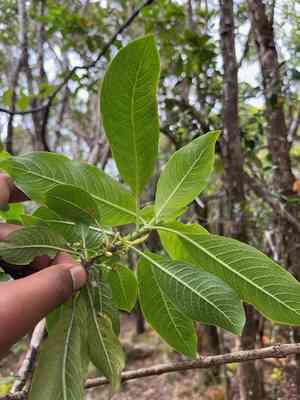
Koi flourishes in aerated substrate with steady hydration. Reproducing via cuttings yields excellent results. Employ semi-lignified cuttings, insert them into a rooting substrate, and sustain high humidity for peak development. Consistent observation and spraying contribute to a greater success rate. Positioning them in a location with partial shade safeguards young cuttings from intense solar exposure, fostering a perfect setting for root formation.
When Is the Optimal Time to Propagate Koi?
Propagation Type
Cutting
Propagation Season
Spring,Summer
What Instruments Are Utilized in Koi Propagation?
Sharp Pruning Shears
Crucial for obtaining clean, precise cuttings from koi. Sharp pruning shears help prevent harm to the parent plant and the cutting itself, promoting faster healing and rooting.
Rooting Hormone
Applied to the severed end of koi cuttings to stimulate root formation. Rooting hormones often contain auxins, which encourage root growth and boost the success rate of cuttings.
Clean Pots/Containers
Needed for planting the cuttings. Using clean pots reduces the risk of illness and contamination, ensuring a healthy environment for koi to root and grow.
Sterilized Potting Mix
A well-draining yet moist potting mix is vital for the cuttings of koi to root effectively. Sterilized mix prevents disease and provides the necessary balance of air and moisture.
Plastic Bags or Humidity Domes
Used to cover the cuttings and maintain elevated humidity levels. This minimizes water loss and creates a microenvironment conducive to root formation in koi.
Misting Bottle
To regularly mist the cuttings and maintain appropriate moisture levels. Consistent misting helps prevent the cuttings from drying out and keeps the leaf surface hydrated.
Heating Mat
Provides warmth from below to encourage root growth. A heating mat maintains an optimal temperature, which is particularly beneficial for stimulating root development in koi.
Labeling Tags
Important for keeping track of the cuttings. Labeling helps in monitoring the progress of koi and ensures proper care according to the propagation timeline.
How to Propagate Koi?
Propagation Type
Moderately Difficult
How to Care for Your Newly Propagated Koi?
How to Care for Your Newly Propagated Koi?
After propagation, koi requires consistent but not excessive watering, ensuring the soil remains slightly moist. Place the plant in a location with bright but indirect light. Gradually acclimate koi to outdoor conditions if it will be grown outside. Regularly monitor for pests and diseases, and feed with a balanced, slow-release fertilizer during the growing season to support healthy development and growth.
Common Errors to Avoid When Propagating Koi
Overwatering
Excessive water can lead to root rot and fungal diseases, hindering koi's growth and health.
Incorrect Soil Mix
Using dense or water-retentive soil can impede drainage and aeration, essential for koi's root development.
Insufficient Light
Lack of adequate light can result in weak and leggy growth, hindering successful propagation.
Wrong Cutting Technique
Using dull tools or improper cutting methods can damage plant tissue, reducing the likelihood of successful rooting.
Advice For Propagating Koi
Use Well-Draining Soil
Ensure the soil mix is light and well-draining to facilitate root health and prevent waterlogging.
Adequate Lighting
Provide bright, indirect light to support strong and healthy growth during propagation.
Proper Watering Technique
Water sparingly and only when the topsoil is dry to avoid root rot and promote root establishment.
Sharp, Sterile Tools
Use sharp, clean, and sterilized tools for cutting to minimize damage and prevent infection.



