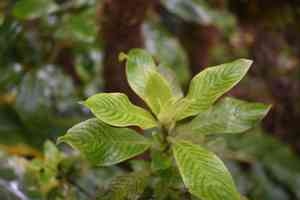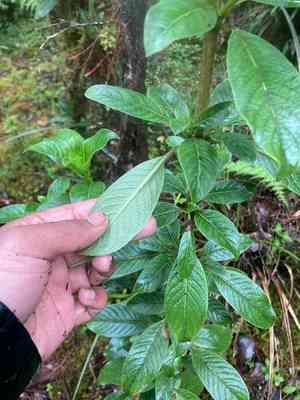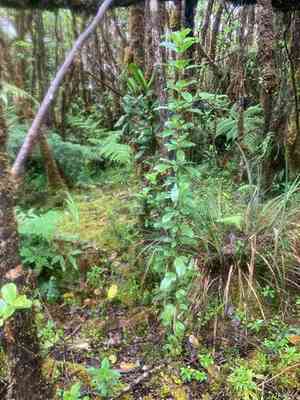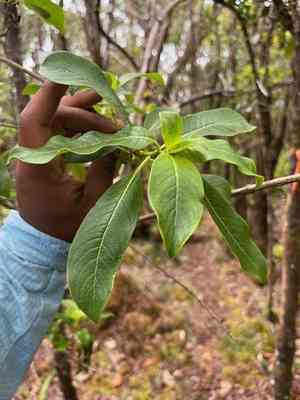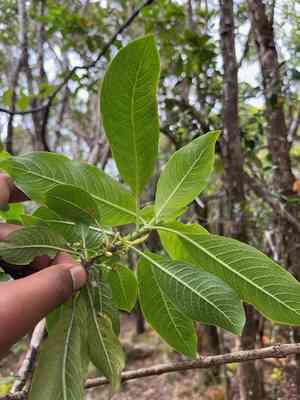
Koi(Coprosma kauensis)

Koi (Coprosma kauensis)

Also known as: N/A

The Koi shrub, also known as the Koi tree (Broussonetia papyrifera), possesses several adaptations that enable it to thrive in its native environments:

1. **Drought Resistance**: Its ability to endure dry spells makes it well-suited for areas with unpredictable rainfall.
2. **Rapid Establishment**: The shrub's quick growth allows it to dominate and stabilize in new areas swiftly.
3. **Robust Root Network**: Its extensive root system helps it secure itself in various soils and access deep water.
4. **Leaf Abscission**: During extreme drought, the plant can shed leaves to minimize water loss.
5. **Chemical Defense**: It releases substances that inhibit the growth of nearby competing plants.

These features collectively support the Koi shrub's survival and proliferation in its native habitat.

Attributes of Koi

Lifespan
Perennial
Plant Type
Shrub
Plant Height
3-6 feet (approximately 1-2 meters)
Spread
N/A
Leaf Color
Green
Flower Size
Small, around 1-2 mm
Flower Color
White

ForwardPlant - Identify plants with a snap

Identify and diagnose plants, get toxicity alerts, and explore safety guides for all types of fungi.

Try for Free

Images of Koi

Koi(Coprosma kauensis)

Quickly Identify Koi

1
Coprosma kauensis can be identified by its small, leathery leaves which are typically ovate to elliptical in shape. The plant often produces small, inconspicuous flowers and is characterized by its smooth, shiny leaves.

Scientific Classification of Koi

Phylum
Vascular plants
Class
Dicotyledons
Order
Gentianales
Family
Madder
Genus
Mirrorplant
Species
Koi

Planting and Growing of Koi

Care Difficulty
Moderate
Watering Schedule
Every 2 days
Sunlight Requirements
Partial sun
Sunshine Duration
4-8 hours
Ideal Temperature
60-75℉
Soil Type
Potting Mix, Peat Mix
Soil pH
5.5-7.5
Fertilizer Type
Balanced
Pruning Season
Spring, Summer
Pruning Area
Branches, Leaves
Pruning Frequency
2 times a year
Repotting Season
Spring
Pot Type
Plastic, Ceramic

water icon How to Water Koi?

For Coprosma kauensis, ensuring adequate water penetration to the root zone is key. Water until it just begins to run off, typically requiring around 500ml per watering session. Water allows sufficient hydration without oversaturating the soil.
What are the symptoms of an underwatered Koi?
What should I do if my Koi is not getting enough water?
What are the symptoms of an overwatered Koi?
How to save an overwatered Koi?

sunlight icon What Are the Sunlight Requirements for Koi?

Sunlight Requirements: Partial sun
Duration of light: 4-6 hours
Coprosma kauensis prefers partial sun conditions. Ensuring this light condition helps it maintain its lush foliage and optimal physiological functions, enhancing its aesthetic and health.
What type of sunlight does Coprosma kauensis prefer?
How can I achieve the ideal lighting conditions for my Coprosma kauensis?
What are the benefits of providing Coprosma kauensis with optimal light conditions?

temperature icon What Is the Ideal Temperature Range for Koi?

Ideal Temperature: 60 ~ 75℉
The ideal temperature range for Coprosma kauensis is between 60°F and 75°F. This range supports optimal growth and ensures healthy foliage. Conditions within this temperature bracket mimic the plant's natural habitat, providing a stable environment for thriving development. Maintaining these temperatures encourages crucial physiological processes and reduces stress on the plant.

soil icon What Soil is Best for Koi?

Soil type: Loam, Sandy loam
Soil PH: 5.5 ~ 7.5
Coprosma kauensis thrives in well-draining soil, which prevents waterlogging and root rot. Ensuring proper drainage keeps the roots healthy and promotes robust growth. Incorporating organic matter like compost can enhance soil structure and boost its nutrient content. This plant benefits from soil enriched with organic matter. Providing a nutrient-rich substrate ensures that the plant has access to the essential nutrients it needs for vibrant foliage and resilient health. Periodic fertilization can support its growth demands. While Coprosma kauensis enjoys well-draining soil, it also requires consistent moisture. Keeping the soil evenly moist, but not saturated, will help maintain optimal hydration levels, leading to healthy plant development. Mulching can aid in maintaining soil moisture.

fertilize icon How to Fertilize Koi?

Fertilizer type: Balanced
For Coprosma kauensis, appropriate fertilization is key. Use a balanced 5-5-5 NPK liquid fertilizer, applying about 1/4 cup per plant. It’s crucial not to over-fertilize, as this can lead to salt accumulation.

prune icon How to Prune Koi?

Pruning Time: Spring, Summer
Start by inspecting the plant for any dead or damaged branches and remove them with clean, sharp pruning shears. Next, trim back overgrown branches to maintain the desired shape and size, cutting just above a node or outward-facing bud. This encourages new growth in the desired direction while preventing overcrowding. It’s essential to cut at a slight angle to allow water runoff, reducing disease risk. When shaping, consider the plant's natural form. For a more formal appearance, prune into rounded or boxy shapes, whereas a gentle thinning out of branches will maintain a natural bushy look. Regularly step back to assess the plant's symmetry and make subtle adjustments as needed for an aesthetically pleasing result. More About Pruning Techniques

propagate icon How to Propagate Koi plant?

Propagate Time: Early spring, Late spring
1
To propagate by seed, prepare a seed tray with well-draining soil. Sow the seeds lightly and cover them with a thin layer of soil. Keep the soil moist and place the tray in a warm, well-lit area without direct sunlight.
2
Select a healthy branch from the mother plant and cut a 4-6 inch section. Remove the lower leaves and dip the cut end in rooting hormone to encourage root growth. Insert the cutting into a prepared pot with moist potting mix.
3
After planting seeds or cuttings, regularly check the moisture content of the soil and ensure the plants are placed in a suitable environment with adequate light and warmth. Be patient as germination and rooting can take several weeks.
More About Propagating Techniques

repot icon How to Repot Koi plant?

Repotting frequency: Every 2-3 years
1
Repot your Coprosma kauensis when you observe roots growing through the pot's drainage holes, or if growth slows noticeably. These signs indicate that the plant has outgrown its current pot, and it's essential to give it more space to flourish. Ideally, repot during the growing season to minimize stress.
2
Select a pot 1-2 inches wider in diameter than the current one. Ensure it has ample drainage holes to prevent waterlogging. A slightly bigger pot encourages better root growth and provides space for the plant to expand, while good drainage ensures root health by preventing rot.
3
Opt for a well-draining potting mix rich in organic matter. This soil ensures that coprosma roots receive adequate aeration, vital for their health and development, and helps retain necessary moisture without becoming overly soggy, preventing root diseases and promoting a healthy plant.

ForwardPlant - Identify plants with a snap

Find the best spots for them to optimize their health, simply using your phone.

Try for Free