How to Propagate Turk's turbin?
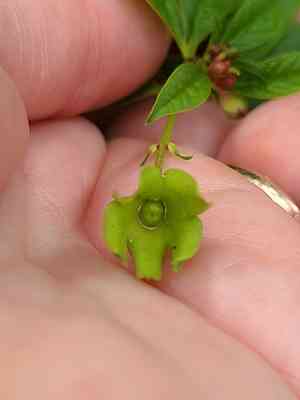
Turk's turbin is a remarkable decorative flora recognized for its distinctive, turbine-shaped blossoms. Reproduction is typically accomplished by seeding. Verify that seeds are new and plant them in porous earth, keeping it uniformly damp until sprouting. Place in areas receiving partial to ample sunlight and sustain elevated temperatures. Periodically inspect for infestations and ailments to guarantee robust development. Given appropriate attention, turk's turbin can rapidly take root, bringing an exotic allure to any landscape.
What Is the Best Time To Propagate Turk's Turbin?
Propagation Type
Sowing
Propagation Season
Spring
What Tools Are Used in Turk's Turbin Propagation?
Seed Trays
Seed trays are vital for initiating turk's turbin seeds. They offer a regulated setting where seeds can sprout and young seedlings can establish before being moved to larger pots or directly into the ground.
Sterilized Soil or Seed Starting Mix
Employing sterilized soil or a specialized seed starting mix helps avert infections and diseases that could harm turk's turbin seeds. It guarantees a sterile environment, crucial for the seeds' initial growth phase.
Humidity Dome
A humidity dome is utilized to cover seed trays, maintaining high humidity levels that assist in turk's turbin seed germination. This is especially useful for creating a microclimate that supports moisture retention.
Heating Mat
A heating mat keeps the soil moderately warm, which benefits germinating turk's turbin seeds that may need higher temperatures to sprout effectively.
Spray Bottle
A spray bottle is used for misting the soil to keep it consistently moist without excessive watering. This is crucial for maintaining the delicate moisture balance required for successful turk's turbin propagation.
Plant Labels
Using plant labels aids in identifying turk's turbin seeds or seedlings. This is helpful for tracking different propagation stages and ensuring proper care throughout the growth process.
Seed Covering Material
Light vermiculite or another seed covering material can be used to lightly cover turk's turbin seeds after sowing. This helps maintain soil moisture and protects seeds from direct sunlight, while still allowing enough light for germination.
Watering Can with a Fine Rose
A watering can with a fine rose gently waters newly germinated turk's turbin seeds and seedlings, ensuring they are not dislodged or harmed by a strong water flow.
Garden Fork or Hand Trowel
These tools are useful for preparing the soil when transplanting turk's turbin from seed trays to larger containers or garden beds. They allow for gentle handling of seedlings, reducing transplant shock.
How to Propagate Turk's Turbin?
Propagation Type
Easy
How to Care for Your Newly Propagated Turk's Turbin?
How to Care for Your Newly Propagated Turk's Turbin?
Following germination, which may take several weeks, gradually expose seedlings to more direct light by removing the cover. Transplant seedlings to individual pots once they have developed at least two sets of true leaves. Provide consistent water, ensuring the soil remains moist but not waterlogged. Fertilize bi-weekly with a balanced, diluted fertilizer. Over time, acclimate young plants to outdoor conditions if they are to be planted outside. Regular pruning encourages bushier growth and more blooms. Monitor for common pests and diseases, treating promptly if observed.
Common Mistakes to Avoid When Propagating Turk's Turbin
Overwatering
Excess moisture can lead to root rot. The plant needs well-draining soil and moderate watering to ensure roots do not stay waterlogged.
Using Poor Soil
Soil that is not well-draining or lacks essential nutrients can hinder root development and overall plant health.
Improper Light
Not providing adequate sunlight can slow down growth and lead to weak, fragile plants. Turk's turbin prefers bright, indirect light.
Incorrect Cutting Techniques
Taking improper cuttings or damaging the stem can prevent successful rooting. Proper tools and techniques are needed to make clean cuts.
Neglecting Humidity
Not maintaining adequate humidity can affect the rooting process negatively, as turk's turbin requires a humid environment to thrive initially.
Tips For Propagating Turk's Turbin
Use Well-Draining Soil
Opt for a mix that includes perlite or sand to ensure good drainage and prevent water retention.
Maintain Moderate Moisture
Keep the soil slightly moist but not soggy. Watering should be controlled to avoid overwatering.
Provide Bright, Indirect Light
Place the cuttings in a location where they can receive ample indirect sunlight to promote healthy growth.
Proper Cutting Techniques
Use sterilized tools to take cuttings just below a node, ensuring a clean cut. This helps in better rooting.
Ensure High Humidity
Use a humidity dome or a plastic bag to cover the cuttings and retain moisture, which is crucial for root development.



