How to Propagate Large spreading pogonia?
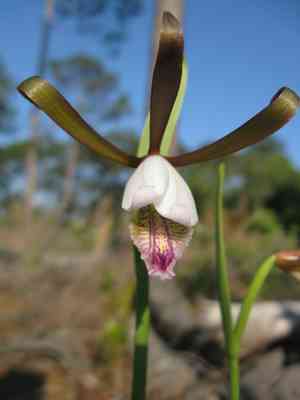
Large spreading pogonia can be successfully multiplied by dividing its rootstock. Meticulously splitting the rhizomes, making sure every piece possesses a minimum of one growth point, offers an ideal beginning for new specimens. Careful manipulation throughout this procedure is essential to prevent harm to the fragile root systems. This technique fosters robust development by providing ample room for expansion, thereby boosting the plant's general vigor.
Optimal Period for Propagating Large Spreading Pogonia
Propagation Method
Separation
Propagation Period
Spring,Autumn
Tools Required for Large Spreading Pogonia Propagation
Sharp, sterile knife or scissors
These instruments are vital for making clean cuts through the root structure of large spreading pogonia during division. A sharp, sanitized blade ensures precise incisions without harming surrounding plant tissues, reducing disease risk and promoting faster healing and root establishment.
Spade or garden fork
Used for carefully lifting large spreading pogonia from the ground, minimizing harm to the root system. A spade or fork with a wide, flat surface is preferred as it helps distribute force evenly during lifting, safeguarding the delicate roots of large spreading pogonia.
Watering can or hose with a gentle spray setting
Crucial for immediately hydrating large spreading pogonia after division and replanting. Sufficient water is essential to help newly planted divisions settle in and recover from propagation stress. The gentle spray prevents soil compaction and ensures water reaches roots without eroding surrounding soil.
Rooting hormone (optional)
This can be applied to the cut surfaces of large spreading pogonia root divisions to encourage quicker root development and enhance overall propagation success. Rooting hormone aids in stimulating root growth, especially for plants that might otherwise struggle to establish new roots.
Label and permanent marker
Important for marking newly propagated plants with the propagation date and any relevant care information. This assists in monitoring large spreading pogonia's growth and health, ensuring each division's specific needs are met during critical early stages.
How to Propagate Large Spreading Pogonia?
Propagation Difficulty
Simple
Post-Propagation Care for Your Large Spreading Pogonia
Post-Propagation Care for Your Large Spreading Pogonia
Following propagation, position large spreading pogonia in a spot with bright, indirect light and good air circulation to mimic its natural environment. Maintain consistent moisture, avoiding waterlogging the soil. Regularly inspect for pests or diseases. Applying a balanced, low-strength fertilizer every four weeks during the growing season is beneficial. Prevent extreme temperatures by keeping the surroundings relatively cool and stable.
Common Errors to Avoid When Propagating Large Spreading Pogonia
Overwatering
Excessive watering can lead to root rot, compromising large spreading pogonia's root system. Given its sensitivity to too much moisture, this can impede root development and hinder healthy growth.
Using poorly draining soil
Employing a substrate that lacks adequate drainage can result in waterlogging, which is particularly harmful to large spreading pogonia. This can cause issues similar to overwatering, leading to oxygen deprivation in the roots and potential fungal infections.
Excessive handling of roots
Over-handling the roots during large spreading pogonia transplanting can cause physical damage, increasing stress and vulnerability to diseases. Gentle handling is vital to maintain the plant's health during propagation.
Advice for Propagating Large Spreading Pogonia
Use appropriate soil mix
Utilize a well-draining soil blend rich in organic matter to support large spreading pogonia's growth. Suitable soil helps prevent waterlogging while providing essential nutrients and airflow to the root system.
Maintain humidity levels
Keeping a controlled environment with high humidity benefits large spreading pogonia. This mimics its natural habitat, encouraging healthier growth and better adaptation during the propagation phase.
Gentle root handling
When transplanting or dividing large spreading pogonia, handle the roots carefully to prevent damage. Ensuring the roots remain intact and minimally disturbed will support better establishment and growth in a new setting.



