How to Propagate Fountain thistle?
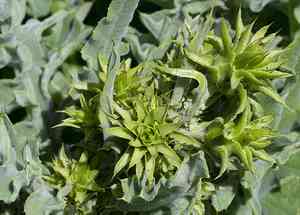
Originating from particular locales, fountain thistle flourishes in damp, adequately drained earth. The most effective propagation method involves planting fresh seeds. Make certain seeds are placed on the soil's surface, as illumination is necessary for their sprouting. Sustained humidity is vital during the initial phases. Refrain from disrupting nascent seedlings to foster robust growth. Considering its environmental requirements, progressively introduce seedlings to external environments to lessen the impact of relocation.
Optimal Period for Fountain Thistle Propagation
Propagation Method
Sowing
Propagation Period
Spring
Tools Required for Fountain Thistle Propagation
Seed Tray
An essential item for effectively sowing fountain thistle seeds. It offers a controlled setting for initial growth phases and simplifies monitoring and care of young plants.
Seed Compost
A rich growing medium providing vital nutrients for fountain thistle seed germination and early development. It ensures proper drainage and aeration, crucial for healthy seedling growth.
Watering Can with Fine Rose
This tool gently distributes water over the soil, ensuring even moisture without disturbing fountain thistle seeds. Consistent hydration is key for successful germination.
Humidity Dome
A humidity dome helps maintain high moisture levels around the seed tray, which aids fountain thistle germination. High humidity prevents drying and creates an ideal sprouting environment.
Label Markers
Used to track various stages of fountain thistle propagation, especially with multiple trays or batches. Proper labeling ensures organized and accurate plant care.
Heat Mat
Placing a heat mat beneath the seed tray provides consistent bottom warmth, which can accelerate fountain thistle germination, leading to a higher sprouting success rate.
Transplanting Tool
A tool like a dibber or small trowel is useful for moving fountain thistle seedlings to larger pots or outdoor areas when ready. It helps carefully extract seedlings with minimal root disturbance, ensuring continued healthy growth.
How to Propagate Fountain Thistle?
Propagation Type
Easy
Caring for Your Newly Propagated Fountain Thistle
Caring for Your Newly Propagated Fountain Thistle
Post-transplant, ensure fountain thistle receives ample sunlightâideally full sun. Water regularly, but allow the soil to dry between waterings to prevent root rot. Apply mulch around plants to retain moisture and suppress weeds. Check for pests and diseases, treating as needed with suitable methods. Remove dead or diseased foliage regularly to encourage healthy development.
Common Errors to Avoid When Propagating Fountain Thistle
Improper Soil Conditions
Using poorly draining or overly alkaline soil can impede fountain thistleâs growth and root establishment.
Overwatering
Excessive water can cause root rot, which is particularly harmful to fountain thistle, as it thrives in well-drained conditions.
Ignoring Site Selection
Planting fountain thistle in shaded or overly windy spots can hinder growth, as it prefers full sun and sheltered locations.
Incorrect Seed Depth
Sowing seeds too deep or too shallow can impact germination rates, making it difficult for fountain thistle to establish properly.
Neglecting Pest Management
Failing to control pests like aphids can cause significant damage to fountain thistle, affecting its overall health and propagation success.
Tips For Propagating Fountain Thistle
Use Well-Draining Soil
Ensure the soil mixture drains well to prevent waterlogging and root rot, which is vital for fountain thistleâs health.
Moderate Watering
Water sparingly, allowing the top layer of soil to dry out between waterings to avoid over-saturation.
Sunny Locations
Select a planting site with full sun exposure to encourage vigorous growth and development.
Correct Seed Depth
Plant seeds at an appropriate depthâtypically shallow enough to receive light but deep enough to remain moist.
Regular Pest Checks
Monitor for pests frequently and use natural or chemical treatments as necessary to protect fountain thistle from harm.



