How to Propagate Camphor tree?
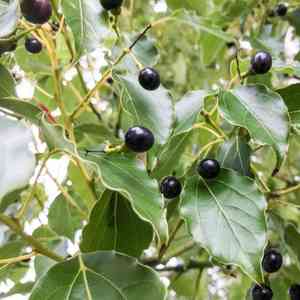
The optimal period for propagating camphor tree is during the Spring, employing either cutting or layering techniques. This process is moderately straightforward, with the emergence of new roots signifying successful establishment. Throughout propagation, guarantee adequate hydration and a growing medium that drains effectively.
Optimal Time for Camphor Tree Propagation
Propagation Method
Cutting
Propagation Period
Autumn,Winter
Essential Tools for Camphor Tree Propagation
Sharp Pruning Shears
Pruning shears are vital for obtaining camphor tree cuttings. Sharp, clean blades ensure precise cuts, minimizing harm to the parent plant and boosting the cutting's chances of successful rooting. Sharp shears also help prevent disease introduction at cut sites.
Rooting Hormone
Rooting hormone stimulates root development in camphor tree cuttings. Applying a rooting hormone to the cut end of the cutting can significantly increase the likelihood of successful propagation by encouraging quicker, more uniform root formation.
Sterilizing Agent (e.g., Isopropyl Alcohol)
Tool sterilization prevents pathogen transfer to camphor tree cuttings. Using a sterilizing agent to clean pruning shears and other tools before use protects the health of the cuttings during the delicate propagation phase.
Potting Medium
A well-draining, sterile potting medium offers the ideal environment for camphor tree cutting to root. A mix containing perlite, vermiculite, or sand improves drainage and aeration, which are crucial for preventing rot in developing roots.
Propagation Trays or Pots
Trays or pots are necessary to hold the potting medium and camphor tree cuttings. They should have adequate drainage holes to allow excess water to escape, thereby preventing oversaturation of the medium and potential cutting rot.
Plastic Covers or Propagation Domes
Plastic covers or domes maintain high humidity levels around camphor tree cuttings, which is essential to prevent desiccation while the cuttings are establishing roots. These tools also help in maintaining stable temperatures around the cuttings.
Heating Mat (Optional)
While not strictly necessary, a heating mat can improve the rooting success rate for camphor tree cuttings by providing consistent bottom heat. This is especially beneficial during cooler seasons or in cooler climates where ambient temperatures may be too low for optimal root development.
Caring for Your Newly Propagated Camphor Tree
Caring for Your Newly Propagated Camphor Tree
Once the camphor tree cutting has rooted and begun showing new growth, gradually acclimate the young plant to less humid conditions before planting it in its permanent location. Camphor tree prefers full sun to partial shade and should be watered regularly to maintain evenly moist soil, especially when young. As the tree matures, it will become more drought-tolerant. Prune camphor tree as needed to maintain its shape and remove any dead or damaged branches.
Common Propagation Errors to Avoid with Camphor Tree
Overwatering cuttings
When propagating camphor tree from cuttings, excessive water can cause the cuttings to rot before they have a chance to root. This mistake can lead to fungal diseases and poor root development.
Ignoring humidity requirements
Camphor tree's cuttings require a specific level of humidity to root properly. Neglecting this need can result in the cuttings drying out and failing to root.
Using dull tools for cuttings
Taking cuttings with dull tools can damage the plant tissue, leading to poor healing and increased susceptibility to diseases, negatively impacting the cutting's potential to root.
Planting cuttings too deep
Planting camphor tree's cuttings too deeply can cause them to rot or struggle to push new growth towards the surface, hindering successful propagation.
Neglecting to remove excess leaves
Failing to remove excess leaves from the cuttings can lead to excessive moisture loss and reduced rooting potential as the cutting focuses energy on maintaining leaves rather than growing roots.
Tips For Propagating Camphor Tree
Use healthy parent plant
Selecting a healthy and disease-free parent plant increases the chances of camphor tree's cuttings to take root and grow into strong, healthy plants.
Prepare cuttings correctly
Prepare camphor tree's cuttings using a sharp, clean tool to make a clean cut, and ensure the correct length and node placement to promote successful rooting.
Create humid environment
Maintain a humid environment for camphor tree's cuttings to prevent them from drying out, using measures like a humidity dome or misting regularly.
Strike the right depth
Plant the cuttings at an appropriate depth where the nodes are just below the soil line, allowing sufficient support without causing the stem to rot.
Balance watering and drainage
Water camphor tree's cuttings adequately but ensure good drainage to prevent waterlogging, which can lead to root rot and propagation failure.



