How to Propagate Rocky mountain snowlover?
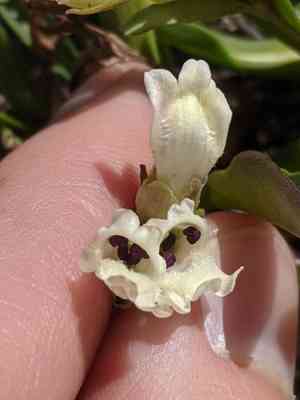
The Rocky Mountain Snowlover, a distinctive perennial species indigenous to elevated terrains, primarily reproduces via stem sections. To achieve successful propagation, sever robust, non-blooming stems during their period of vigorous development. Place these sections into a potting blend that drains effectively, ensuring sufficient hydration and diffused light until root systems emerge. This technique facilitates more rapid establishment, perfect for enlarging garden arrangements of this high-altitude marvel.
Optimal Time for Rocky Mountain Snowlover Propagation
Propagation Type
Cutting
Propagation Season
Spring,Summer
Tools for Rocky Mountain Snowlover Propagation
Sharp Pruning Shears
These are vital for obtaining clean, precise cuttings from rocky mountain snowlover, which is key to minimizing harm and encouraging healthy root formation. Shears must be sharp enough to ensure cuts are straight and smooth, preventing tissue damage that can lead to infections.
Rooting Hormone Powder
This aids in speeding up the root development of rocky mountain snowlover cuttings. Dipping the cut end into the hormone before planting significantly boosts the likelihood of successful rooting by providing necessary growth stimulation.
Sterile Potting Mix
A well-draining, nutritionally balanced medium is essential for propagating rocky mountain snowlover via cuttings. A sterile mix lowers the risk of soil-borne pathogens harming delicate new roots, fostering healthier initial growth.
Humidity Dome or Plastic Cover
Maintaining high humidity around rocky mountain snowlover cuttings is crucial for their survival and development. A humidity dome or simple plastic cover over the container helps retain moisture and warmth, creating an ideal micro-environment for root growth.
Plastic Pots or Trays
These containers are used for planting the prepared cuttings. They should have proper drainage holes and be appropriately sized to accommodate the initial growth of rocky mountain snowlover without overcrowding, ensuring good air circulation and preventing root rot.
How to Propagate Rocky Mountain Snowlover?
Propagation Type
Easy
Caring for Your Newly Propagated Rocky Mountain Snowlover
Caring for Your Newly Propagated Rocky Mountain Snowlover?
Once rooted, gradually introduce the new rocky mountain snowlover to its typical growing conditions. Transfer it to a larger container or directly into the garden if the climate is suitable for a rock garden setting, as rocky mountain snowlover thrives in well-drained, rocky soil with full sun to partial shade. Water sparingly, only when the soil has dried out, as excessive watering can cause root rot. Minimal fertilizer is required, and ensure winter protection if temperatures drop below what rocky mountain snowlover can tolerate.
Common Propagation Mistakes to Avoid with Rocky Mountain Snowlover
Overwatering
Watering rocky mountain snowlover too often can lead to root rot, as the plant thrives in well-drained soils typical of its natural rocky habitats. Excessive moisture hinders proper root development and increases susceptibility to fungal diseases.
Inadequate light
Failure to provide sufficient light can severely impede the growth of rocky mountain snowlover, making it essential to ensure a brightly lit environment that mimics its native alpine conditions.
Incorrect soil mixture
Using dense, clay-rich soil can obstruct proper drainage and aeration, which are crucial for the health of rocky mountain snowlover. Such soil does not replicate the loose, rocky substrates rocky mountain snowlover naturally grows in, potentially stunting plant development.
Tips For Propagating Rocky Mountain Snowlover
Use well-draining soil
Plant rocky mountain snowlover in a sandy or gravelly soil mixture to improve drainage and imitate its natural rocky substrates. This promotes adequate root aeration and moisture management, vital for healthy growth.
Moderate watering
Maintain a balanced watering schedule, allowing the soil to dry slightly between watering sessions. This approach helps prevent root rot while providing enough moisture for optimal growth.
Provide sufficient light
Ensure rocky mountain snowlover receives ample lighting, similar to the bright, direct sun of its alpine habitat, to support robust growth and flowering.



