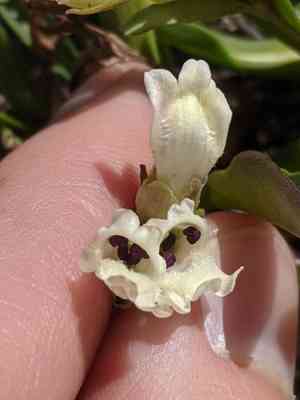
Rocky mountain snowlover (Chionophila jamesii)
Also known as: Snowlover
The Rocky Mountain snowlover is a small alpine herb that flourishes in the high-altitude, rocky terrains of North America. It features clusters of tiny, lance-like leaves and produces fragile white or light pink flowers during the summer months. Its low, cushion-like growth form is a key adaptation, minimizing exposure to severe winds and cold temperatures. This compact structure helps the plant endure the tough conditions of its mountainous environment.
In This Article
Attributes of Rocky mountain snowlover
Lifespan
Perennial
Plant Type
Herb
Plant Height
0 mm to 30 cm
Spread
Not applicable as it is a herbaceous plant
Leaf Color
Green
Flower Size
2-3 cm
Flower Color
White
Images of Rocky mountain snowlover
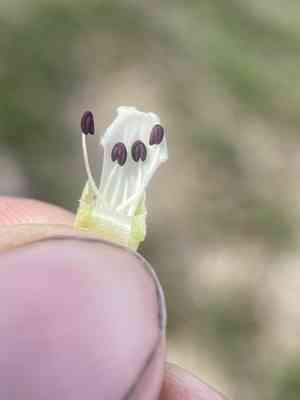
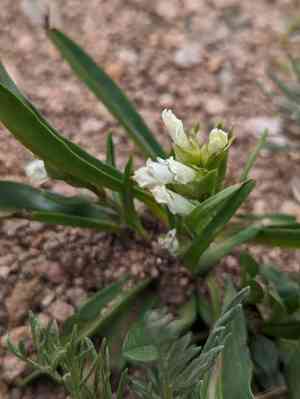
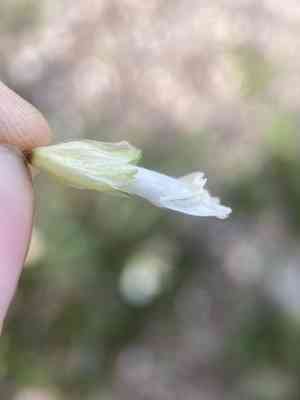
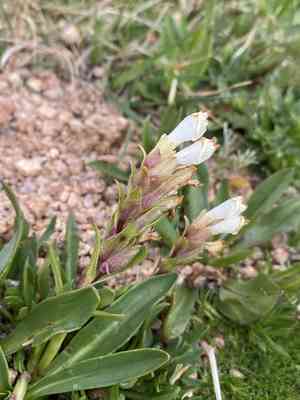
Quickly Identify Rocky mountain snowlover
1
Chionophila jamesii can be identified by its white, trumpet-shaped flowers and lanceolate leaves that grow close to the ground. It typically blooms in late spring and summer.
Scientific Classification of Rocky mountain snowlover
Phylum
Vascular plants
Class
Dicotyledons
Order
Lamiales
Family
Plantain
Genus
Snowlover
Species
Rocky mountain snowlover
Planting and Growing of Rocky mountain snowlover
Care Difficulty
Hard
Watering Schedule
Every day
Sunlight Requirements
Partial sun
Sunshine Duration
6-10 hours
Ideal Temperature
60-75℉
Soil Type
Potting Mix, Peat Mix
Soil pH
6.5-7.5
Fertilizer Type
Balanced
Pruning Season
Spring, Summer
Pruning Area
Branches, Leaves
Pruning Frequency
2 times a year
Repotting Season
Spring
Pot Type
Ceramic, Plastic
 How to Water Rocky mountain snowlover?
The watering amount for Chionophila jamesii should be around 200 milliliters per session. This amount ensures that the soil remains evenly moist without becoming saturated. It's crucial to allow the top inch of the soil to dry out between waterings to prevent waterlogging.
What are the symptoms of an underwatered Rocky mountain snowlover?
›
What should I do if my Rocky mountain snowlover is not getting enough water?
›
What are the symptoms of an overwatered Rocky mountain snowlover?
›
How to save an overwatered Rocky mountain snowlover?
›
 What Are the Sunlight Requirements for Rocky mountain snowlover?
Chionophila jamesii thrives best in partial to full sun conditions, ideally receiving 4 to 6 hours of light daily. Such exposure supports healthy foliage and abundant flowering, promoting overall vigor and aesthetic appeal.
What lighting does Chionophila jamesii ideally require?
›
How can ideal lighting conditions for Chionophila jamesii be achieved?
›
What are the benefits of providing ideal lighting conditions to Chionophila jamesii?
›
 What Is the Ideal Temperature Range for Rocky mountain snowlover?
Chionophila jamesii thrives best within a temperature range of 60°F to 75°F. This range simulates its natural alpine habitat conditions, supporting optimal growth and development. Maintaining this temperature range ensures the plant can effectively perform photosynthesis and other metabolic processes.
 What Soil is Best for Rocky mountain snowlover?
Chionophila jamesii thrives in well-drained soils, which prevent waterlogging and root rot. This type of soil aids in the proper oxygenation of roots and supports healthy growth, ensuring that nutrients are readily available to the plant. The plant prefers soils with moderate fertility. Excessively rich soils could lead to overly lush growth with fewer flowers, while poor soils might stunt its growth. A balanced nutrient profile helps maintain its delicate size and flowering capabilities. Consistent soil moisture is key for Chionophila jamesii. While it needs good drainage, the soil must also retain enough moisture to withstand drier periods. This ensures consistent growth and flowering without dehydration stress.
 How to Fertilize Rocky mountain snowlover?
For Chionophila jamesii, applying liquid fertilizer should be done with care. Use a balanced 10-10-10 fertilizer, diluted to half strength to avoid nutrient burn. Each application should cover the root zone without flooding, using approximately 1 liter per plant.
 How to Prune Rocky mountain snowlover?
It's easy to get carried away with pruning, but remember that over-pruning can stress the plant and hinder its growth rather than help it. Remove no more than one-third of the plant's volume at a time. Chionophila jamesii prefers cooler environments, so avoid pruning during harsh, warm spells, as this can further stress the plant. It's best performed when the plant is not under environmental stress. After pruning, ensure the plant receives adequate water and nutrients, as these help it recover and promote new growth. Also, monitor for pests or disease signs as the plant heals.
More About Pruning Techniques→
 How to Propagate Rocky mountain snowlover plant?
1
Collect seeds from Chionophila jamesii once the seed pods are mature and dry. This typically occurs in late summer to early autumn. Ensure seeds are fully developed but not overly ripe as this can affect viability.
2
Sow the collected seeds in a prepared seed tray filled with a moist, sterile potting mix. Lightly press the seeds into the soil but do not bury them deeply, as they require light exposure for germination.
3
Place the seed trays in a location with bright, indirect light, maintaining a consistent temperature around 18-22°C (64-72°F). Keep the soil moist but not waterlogged by misting regularly.
 How to Repot Rocky mountain snowlover plant?
1
Chionophila jamesii should be repotted when its roots appear crowded or start to escape through the drainage holes. This typically occurs in the early growing season. Signs like reduced growth or wilting can also indicate the need for a new pot.
2
Opt for a pot that is slightly larger than the current one, preferably made from terracotta or ceramic, as these materials provide good breathability. Ensure the pot has ample drainage holes to prevent waterlogging, thus promoting better root health and preventing rot.
3
A blend of gritty soil is ideal, as it ensures proper drainage and prevents root rot. This soil mix promotes aeration around the roots, which is crucial for the plant's growth, mimicking its natural habitat conditions and ensuring robust health.
Learn More About Rocky mountain snowlover Diseases
Anthracnose
Bacterial Leaf Spot
Bacterial Wilt
Crown Gall
Cyst Nematode
Damping-off
Downy Mildew
Drought Stress
Fusarium Wilt
Gray Mold
Leaf Curl
Leaf Spot
Mosaic
Nutrient Deficiency
Nutrient Toxicity
Powdery Mildew
Root Rot
Root-knot Nematode
Rusts
Sooty Mold
Spider Mites
Temperature Stress
Thrips Damage
White Mold



