How to Propagate Seaport Goosefoot?
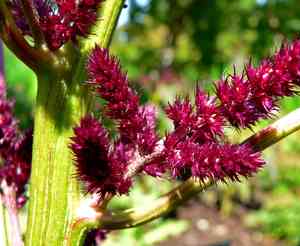
Seaport Goosefoot is a resilient botanical specimen recognized for its versatility across diverse settings. Reproduction is predominantly accomplished via seeding, with seeds undergoing a stratification process to boost sprouting. To achieve optimal outcomes, Seaport Goosefoot seeds ought to be sown superficially on porous soil, owing to their requirement for illumination to germinate. Steady hydration and a consistent thermal range are crucial elements for successful propagation. Once young plants sprout and become robust, they necessitate progressive acclimation to external conditions prior to relocation.
When Is the Optimal Time to Propagate Seaport Goosefoot?
Propagation Method
Seeding
Propagation Period
Spring
What Equipment Is Used in Seaport Goosefoot Propagation?
Seed Trays
Seed trays are crucial for planting seaport Goosefoot seeds. They aid in organizing and managing seeds effectively, allowing for optimal space use and simple handling. The shallow compartments are especially beneficial for seaport Goosefoot as they offer sufficient room for initial root development without overcrowding, fostering healthier seedling growth.
Peat Moss or Seed Starting Mix
Utilizing a premium seed starting mix or peat moss is vital for seaport Goosefoot's germination. These mediums are sterile and pathogen-free, which is essential for preventing seed and seedling diseases. The light and airy texture promotes better aeration and moisture retention, crucial for the germination of seaport Goosefoot's small seeds.
Misting Bottle or Fine Spray Watering Can
A misting bottle or a watering can with a fine spray option is perfect for watering seaport Goosefoot seeds without dislodging them. The gentle mist provides the necessary moisture for germination without causing soil erosion or seed displacement, ensuring even moisture distribution vital for the delicate early stages of seaport Goosefoot's growth.
Transparent Plastic Cover or Humidity Dome
A clear plastic cover or humidity dome fits over the seed tray to maintain a high humidity environment favorable for the germination of seaport Goosefoot's seeds. This tool helps in keeping moisture consistent and protects seeds from drying out, significantly improving the germination rate.
Labels and Markers
Using labels and markers is important for recording sowing dates and any other pertinent data for seaport Goosefoot. This assists in tracking growth progress and provides valuable information for adjusting care practices as the plants develop. Maintaining well-organized records ensures optimal care throughout the propagation phase.
How to Propagate Seaport Goosefoot?
Propagation Difficulty
Simple
How to Nurture Your Newly Propagated Seaport Goosefoot?
How to Nurture Your Newly Propagated Seaport Goosefoot?
Seaport Goosefoot thrives in full to partial sun and requires moderate watering, especially during dry spells. Once established, reduce watering frequency, allowing the soil to dry slightly between irrigation. No special fertilization is needed, but an annual compost application can encourage healthier growth. Monitor for common pests and diseases, managing them with appropriate horticultural oils or insecticidal soaps.
Common Errors to Avoid When Propagating Seaport Goosefoot
Excessive Watering
Overwatering seaport Goosefoot can lead to root rot and fungal growth. This error is particularly damaging because seaport Goosefoot's root system prefers well-drained soil conditions.
Deep Planting
Planting seaport Goosefoot's seeds or cuttings too deeply can hinder their ability to sprout and establish. Insufficient light and air circulation at deeper soil levels can prevent proper growth initiation.
Ignoring Light Requirements
Failing to provide adequate light for seaport Goosefoot can severely impact its growth. Seaport Goosefoot typically needs good light exposure to ensure vigorous development.
Advice For Propagating Seaport Goosefoot
Soil Preparation
Prepare a well-draining soil mix that mimics seaport Goosefoot's natural habitat to prevent waterlogging. This helps create an optimal environment for root health and overall plant vigor.
Correct Sowing Depth
When planting seeds, ensure they are not buried too deeply. Lightly covering the seeds with soil is sufficient for seaport Goosefoot to allow for adequate light exposure and air exchange.
Optimal Light
Seaport Goosefoot thrives in brightly lit environments. Ensure that the propagation area has sufficient lighting, which supports robust growth and helps maintain the health of the plant.



