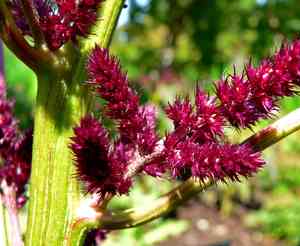
Seaport Goosefoot (Chenopodium opulifolium)
Also known as: Snowball Leaf Goose Foot
Seaport Goosefoot (Chenopodium opulifolium) is an herbaceous plant found natively in Europe, Asia, and Africa. While some related species are edible, this particular plant contains toxic compounds and should not be consumed.
In This Article
Attributes of Seaport Goosefoot
Lifespan
Annual
Plant Type
Herb
Plant Height
60 cm to 1.5 m
Spread
N/A
Leaf Color
Green
Flower Size
2 cm to 19 cm
Flower Color
Yellow Green
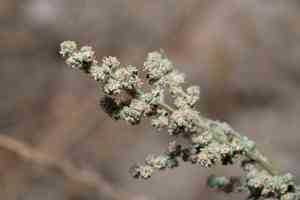
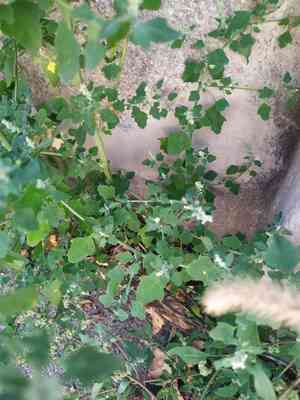
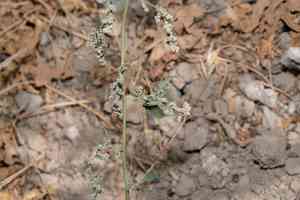
Images of Seaport Goosefoot
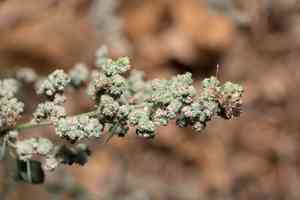
Quickly Identify Seaport Goosefoot
1
This plant can be identified by its distinctive oak-like leaves, which are broad with irregular lobes. The leaves are usually covered in fine, white hairs giving them a dusty appearance. Its flowers are small, greenish, and densely packed in clusters at the top of the plant.
Scientific Classification of Seaport Goosefoot
Phylum
Vascular plants
Class
Dicotyledons
Order
Caryophyllales
Family
Amaranth
Genus
Goosefoots
Species
Seaport Goosefoot
Planting and Growing of Seaport Goosefoot
Care Difficulty
Easy
Watering Schedule
Every 4 days
Sunlight Requirements
Partial sun
Sunshine Duration
6-8 hours
Ideal Temperature
68-77℉
Soil Type
Potting Mix, Peat Mix
Soil pH
6.5-7.5
Fertilizer Type
Balanced
Pruning Season
Spring, Summer
Pruning Area
Branches, Leaves
Pruning Frequency
2 times a year
Repotting Season
Spring
Pot Type
Plastic, Ceramic
 How to Water Seaport Goosefoot?
Water Chenopodium opulifolium to provide approximately 200 ml each time. The goal is to keep the soil consistently moist but not waterlogged. When watering, ensure that the soil is evenly moistened without excess water pooling at the bottom. This helps prevent root rot and ensures that the plant receives adequate hydration without drowning.
What are the symptoms of an underwatered Seaport Goosefoot?
›
What should I do if my Seaport Goosefoot is not getting enough water?
›
What are the symptoms of an overwatered Seaport Goosefoot?
›
How to save an overwatered Seaport Goosefoot?
›
 What Are the Sunlight Requirements for Seaport Goosefoot?
Partial to full sun exposure is beneficial, enhancing photosynthesis and resulting in lush growth. Proper sunlight ensures vibrant leaf color and a robust plant structure, promoting overall plant vitality.
More About Sunlight Requirements Techniques→
What type of light is best for Chenopodium opulifolium?
›
How can I provide the ideal lighting conditions?
›
What are the benefits of providing ideal light?
›
 What Is the Ideal Temperature Range for Seaport Goosefoot?
For Chenopodium opulifolium, the ideal temperature range allows for optimal growth and development. Maintaining temperatures between 68 and 77°F ensures the plant flourishes, as these conditions mimic its native environment, promoting efficient photosynthesis and preventing stress.
 What Soil is Best for Seaport Goosefoot?
Chenopodium opulifolium thrives in well-draining soil, which prevents water logging and root rot. This ensures that the plant's root system can access oxygen effectively, promoting healthy growth and preventing fungal diseases. Rich soil that provides ample nutrients helps Chenopodium opulifolium develop vibrant foliage and robust stems. Compost or well-rotted manure boosts soil fertility, giving the plant essential elements for sustained growth. While drainage is important, ensuring the soil retains enough moisture can sustain Chenopodium opulifolium during dry spells. Incorporating organic matter can improve both moisture retention and nutrient availability.
 How to Fertilize Seaport Goosefoot?
Chenopodium opulifolium should be fertilized lightly, as it does not require heavy feeding. For liquid fertilizer, use about half the recommended dose on the package instructions for general-purpose houseplants. For solid fertilizers, opt for a slow-release formula and apply sparingly, based on the plant's seasonal growth patterns.
 How to Prune Seaport Goosefoot?
Start by examining the plant for any leaves that are dead, discolored, or affected by disease. These should be removed first to prevent any spread of disease and to improve the plant's overall appearance. After removing dead foliage, focus on shaping the plant to your preference. Prune back stems that disrupt the desired form, and cut above a node to encourage new growth that aligns with the plant's natural shape.
More About Pruning Techniques→
 How to Propagate Seaport Goosefoot plant?
1
Begin by filling a seed tray with potting soil and lightly pressing the seeds of Chenopodium opulifolium onto the soil surface. Ensure that they are evenly spaced to allow adequate room for growth.
2
After sowing, water the tray gently with a spray bottle to provide moisture without displacing seeds. Maintain consistent moisture levels, avoiding both dryness and overwatering.
3
Place the seed tray in a location with ample sunlight or under grow lights. The temperature should be kept between 15-20°C to optimize germination rates and seedling development.
 How to Repot Seaport Goosefoot plant?
1
The ideal time to repot Chenopodium opulifolium is when you notice roots growing through the drainage holes of the pot. Another signal is when the growth of the plant appears stunted or if the potting medium dries out rapidly after watering. This usually happens every couple of years as your plant matures.
2
Select a pot that is approximately 2 inches larger in diameter than the current pot. A pot that's too big can cause soil to retain excess moisture, leading to root rot. Ensure the pot has adequate drainage holes to allow excess water to escape, which helps in avoiding waterlogged soil conditions.
3
Opt for a well-draining loamy soil blend. A mix that contains sand and some organic matter will do wonders in providing essential nutrients while ensuring excess water doesn't remain trapped. This type of soil prevents root rot and promotes healthy root growth.



