How to Propagate Squarrose knapweed?
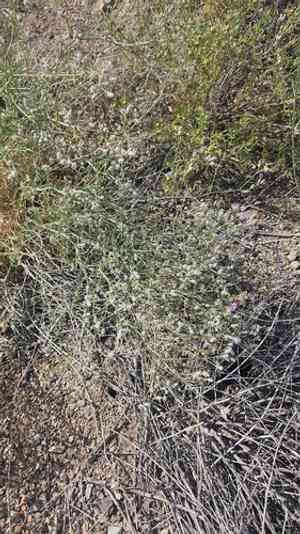
Squarrose knapweed, a perennial resembling a thistle and recognized by its unique spiky flower heads, requires particular propagation methods to flourish. Root section cuttings are the most successful for propagation, encouraging development in a regulated environment prior to transplantation. Obtaining cuttings from robust, healthy specimens increases the probability of successful rooting, offering a tactical benefit in handling this plant.
When Is the Optimal Time to Propagate Squarrose Knapweed?
Propagation Method
Cutting
Propagation Period
Spring,Summer
What Equipment Is Used in Squarrose Knapweed Propagation?
Sharp pruning shears
These are vital for obtaining clean, precise cuttings from squarrose knapweed. Sharp blades ensure the cutting process avoids damaging plant tissues, which is key for successful rooting and growth of new squarrose knapweed plants. A clean cut helps prevent infections and improves water uptake.
Rooting hormone
This substance aids in stimulating root development from squarrose knapweed's cut stems. Applying rooting hormone to the fresh cut base of the stem boosts the propagation process, increasing the likelihood of successful rooting. It mimics natural plant hormones that induce root growth.
Sterile potting mix
A sterile potting mix is essential for rooting squarrose knapweed cuttings, offering a disease-free environment that lowers the risk of soil-borne illnesses. The mix should drain well yet retain enough moisture to support the initial root growth phase.
Plant pots or trays
These containers house the cuttings during root formation. The pot or tray size and depth should suit the cuttings, allowing growth without overcrowding. Good drainage is crucial to prevent waterlogging, which can lead to root rot.
Plastic dome or plastic wrap
Covering squarrose knapweed stem cuttings with a plastic dome or wrap creates a humid microclimate, vital for root development. This tool helps maintain high humidity around cuttings, mimicking greenhouse conditions, significantly boosting propagation success.
How to Propagate Squarrose Knapweed?
Propagation Type
Easy
How to Nurture Your Newly Propagated Squarrose Knapweed?
How to Nurture Your Newly Propagated Squarrose Knapweed?
Post-propagation, care for new squarrose knapweed plants by placing them in a sunny spot and watering regularly to keep soil moist. Gradually reduce watering as the plant establishes. Apply a balanced, slow-release fertilizer for healthy growth. Monitor for pests and diseases, treating them promptly. Thin plants as needed to prevent overcrowding and improve air circulation, reducing fungal infection risk.
Common Errors to Avoid When Propagating Squarrose Knapweed
Overwatering
Excessive watering of squarrose knapweed can cause root rot and fungal infections, ultimately hindering growth or killing the plant. This species typically needs well-drained soil and is more vulnerable to water-related issues.
Ignoring light requirements
Insufficient sunlight can lead to poor growth and weak stem development in squarrose knapweed. This error can prevent squarrose knapweed from thriving, as it generally flourishes in areas with abundant sunlight.
Crowding seeds
Sowing squarrose knapweed seeds too closely can result in overcrowding, potentially impeding air circulation and light penetration. This can increase disease susceptibility and limit growth, as plants compete for resources.
Advice For Propagating Squarrose Knapweed
Proper soil preparation
Using well-draining soil is essential for squarrose knapweed to prevent waterlogging. Enriching the soil with organic matter can encourage healthy root growth and enhance overall plant vigor.
Adequate spacing
When planting squarrose knapweed seeds or seedlings, ensure sufficient spacing to promote good air circulation and sunlight exposure. This helps reduce disease risk and provides each plant enough resources for growth.
Regular monitoring
Periodically check squarrose knapweed for signs of pests and diseases. Early detection and proper management can prevent minor issues from escalating, improving plant health and increasing propagation success.



