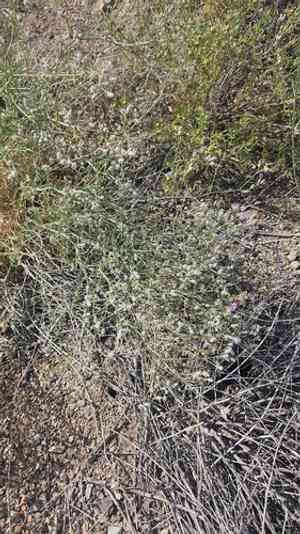
Squarrose knapweed (Centaurea virgata)
Also known as: None known
Centaurea virgata, a species within the Centaurea genus, originates from Western Asia. One of its subspecies, C. virgata ssp. squarrosa, is commonly referred to as squarrose knapweed.
In This Article
Attributes of Squarrose knapweed
Lifespan
Perennial
Plant Type
Herb
Plant Height
50-100 cm
Spread
Up to 50 cm
Leaf Color
Green Blue
Flower Size
2-4 cm
Flower Color
Pink, purple
Images of Squarrose knapweed
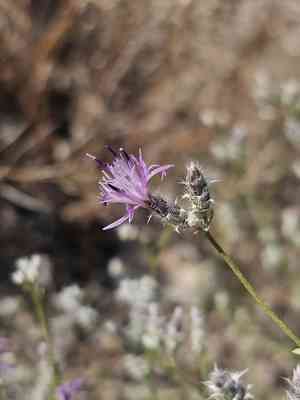
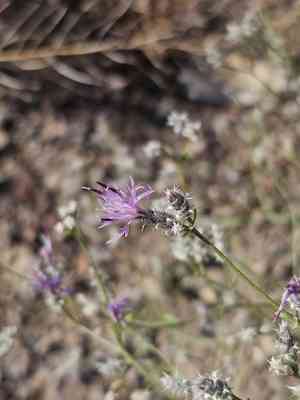
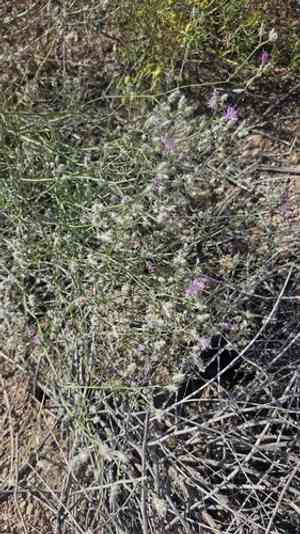
Quickly Identify Squarrose knapweed
1
Centaurea virgata can be identified by its slender stems and deeply lobed leaves. The flower heads are typically pink or purple and are surrounded by spiny bracts.
Scientific Classification of Squarrose knapweed
Phylum
Vascular plants
Class
Dicotyledons
Order
Asterales
Family
Daisy
Genus
Centaury
Species
Squarrose knapweed
Planting and Growing of Squarrose knapweed
Care Difficulty
Hard
Watering Schedule
Every 2 days
Sunlight Requirements
Full sun
Sunshine Duration
4-8 hours
Ideal Temperature
59-77℉
Soil Type
Potting Mix, Peat Mix
Soil pH
6.5-7.5
Fertilizer Type
Balanced
Pruning Season
Spring, Summer
Pruning Area
Branches, Leaves
Pruning Frequency
Once a year
Repotting Season
Spring
Pot Type
Plastic, Ceramic
 How to Water Squarrose knapweed?
Centaurea virgata prefers well-drained soil, so it's important to water thoroughly but not excessively. Aim to provide 200 milliliters per watering, ensuring the water reaches the roots but avoids waterlogging.
What are the symptoms of an underwatered Squarrose knapweed?
›
What should I do if my Squarrose knapweed is not getting enough water?
›
What are the symptoms of an overwatered Squarrose knapweed?
›
How to save an overwatered Squarrose knapweed?
›
 What Are the Sunlight Requirements for Squarrose knapweed?
Centaurea virgata thrives in full sun; ideal light conditions foster strong growth, vibrant colors, and a robust bloom cycle, enhancing its ecological adaptations and visual appeal.
What is the ideal light condition for Centaurea virgata?
›
What solutions can aid in achieving this light condition?
›
What are the benefits of ideal lighting for this plant?
›
 What Is the Ideal Temperature Range for Squarrose knapweed?
Centaurea virgata thrives best within an ideal temperature range of 59°F to 77°F. This range ensures optimal growth and development, providing the right environmental conditions for photosynthesis and nutrient uptake. Maintaining this temperature consistently helps the plant to flourish and produce vibrant flowers.
 What Soil is Best for Squarrose knapweed?
Centaurea virgata thrives in well-drained soil conditions. The roots do not tolerate waterlogging, which can cause root rot. Ensuring that the soil allows for good drainage can improve the plant's overall health and longevity. This plant prefers soil that provides moderate nutrient availability. Over-fertilized soils can lead to excessive foliage growth, detracting from its blooms. A balanced nutrient level keeps the plant’s natural growth cycle on track, promoting vibrant flowers. Centaurea virgata can tolerate a range of soil pH levels, between 6.5 and 7.5. This flexibility allows it to grow in various environments, increasing its adaptability and resilience.
 How to Fertilize Squarrose knapweed?
For Centaurea virgata, it's ideal to apply fertilizer with a careful balance. You should use a balanced liquid fertilizer at half the suggested strength for regular feeding, ensuring nutrient availability without risking root burn or soil damage. This keeps the plant healthy and encourages vibrant blooming.
 How to Prune Squarrose knapweed?
Begin by sterilizing your pruning shears to prevent the spread of disease. Focus on cutting back any dead or diseased stems down to the base. Trim back spent flower stalks to encourage more blooms. Be sure to cut just above a leaf node to promote healthy regrowth. When pruning Centaurea virgata, maintain an eye on the plant's balance and symmetry. Remove any wayward branches to maintain its natural rounded shape. Be mindful of not cutting more than one-third of the plant at a time to avoid shock.
 How to Propagate Squarrose knapweed plant?
1
Begin by preparing a well-draining soil mix, which is crucial for seed germination and cutting establishment. A mix of peat moss and perlite in equal parts is often recommended.
2
Sow the seeds on the soil surface and lightly cover them with a thin layer of soil. It is important to maintain moisture without waterlogging to promote germination.
3
Select healthy stems for cuttings, approximately 4-6 inches long. Remove the lower leaves and dip the cut end in rooting hormone to enhance root development.
 How to Repot Squarrose knapweed plant?
1
Centaurea virgata should be repotted when you notice that roots are emerging from the drainage holes or the plant seems to be growing slower than usual. Additionally, if the soil no longer retains moisture, it's a signal that repotting is needed. Spring and Autumn are ideal seasons as they provide moderate weather, helping the plant adapt smoothly.
2
Select a pot that is slightly larger than the current one, with ample drainage holes to prevent waterlogging. A clay or terracotta pot is preferable, as it allows for better air circulation around the roots, thus reducing the chances of root rot. This will provide stability and room for your plant to grow efficiently.
3
Opt for a well-drained sandy mix, incorporating elements like perlite or grit to enhance drainage. This choice of soil is crucial as Centaurea virgata thrives in environments where water does not accumulate at the roots, mimicking their natural habitat and ensuring healthy growth.
Toxicity
Ingestion
WARNING
The judgment on toxicity and danger is for reference only. We DO NOT GUARANTEE any accuracy of such judgment. Therefore, you SHALL NOT rely on such judgment. It is IMPORTANT TO SEEK PROFESSIONAL ADVICE in advance when necessary.
Learn More About Squarrose knapweed Diseases
Anthracnose
Bacterial Leaf Spot
Bacterial Soft Rot
Bacterial Wilt
Black Spot
Chemical Injury
Crown Gall
Cyst Nematode
Damping-off
Downy Mildew
Drought Stress
Fusarium Wilt
Gray Mold
Leaf Spot
Mosaic
Nutrient Deficiency
Nutrient Toxicity
Powdery Mildew
Root Rot
Root-knot Nematode
Rusts
Sooty Mold
Spider Mites
Temperature Stress
Thrips Damage
White Mold



