How to Propagate Cliff indian paintbrush?
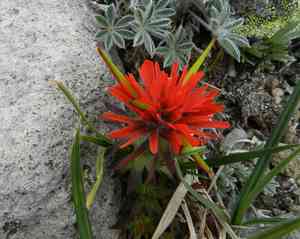
Cliff indian paintbrush flourishes in arid, well-aerated substrates, favoring exposure to partial or full sunlight. For planting, gather seeds from established specimens, gently embed them into the earth, and ensure continuous hydration until sprouting occurs. This botanical species benefits from the proximity of symbiotic flora such as various grasses, which contribute to soil stability and offer protective shade. Periodically assess hydration levels, making certain the ground stays adequately damp without becoming saturated.
Optimal Time for Propagating Cliff Indian Paintbrush
Propagation Method
Seeding
Propagation Period
Spring
Tools Required for Cliff Indian Paintbrush Propagation
Seedling Trays
Seedling trays are crucial for planting cliff indian paintbrush seeds. They offer a controlled setting for seeds to sprout and grow into young plants. Individual compartments prevent root intertwining, simplifying transplantation and reducing stress on new plants.
Sterile Potting Mix
Employing a sterile potting mix minimizes the chance of introducing harmful pathogens to seeds and seedlings. This is particularly vital for cliff indian paintbrush, as it is susceptible to fungal infections during its initial growth phases.
Heat Mat
A heat mat ensures the soil maintains an ideal temperature for seed germination, which is essential for cliff indian paintbrush as it often needs consistent warmth to begin growing. The steady temperature from the mat boosts germination rates and encourages robust seedling development.
Humidity Dome
A humidity dome maintains elevated humidity levels, which is critical for the successful germination of cliff indian paintbrush seeds. It prevents soil dehydration and creates a microenvironment that mimics the natural conditions required for seedling growth.
Spray Bottle
A spray bottle allows for gentle, even watering, preventing the disruption of seeds in the soil. Maintaining consistent moisture without overwatering is crucial for the delicate seeds of cliff indian paintbrush.
Seedling Heat Mat Thermostat
This device enables precise temperature regulation of the heat mat, ensuring cliff indian paintbrush seeds are kept at the perfect temperature for germination. Consistent and appropriate warmth is key for their successful propagation.
Labeling Stakes
Labeling stakes assist in tracking the progress of cliff indian paintbrush seeds, allowing gardeners to monitor their growth and provide specific care as needed. This avoids confusion, especially in gardens propagating multiple plant species simultaneously.
How to Propagate Cliff Indian Paintbrush
Propagation Difficulty
Simple
Caring for Your Newly Propagated Cliff Indian Paintbrush
Caring for Your Newly Propagated Cliff Indian Paintbrush
Once sprouted, carefully move the seedlings into individual pots when they have at least two true leaves. Gradually introduce the young plants to outdoor conditions by exposing them to direct sunlight for increasing durations daily. Ensure the soil drains well and water the plants regularly, but avoid waterlogging. Fertilize sparingly with a balanced, diluted fertilizer. Cliff indian paintbrush thrives in full to partial sun and benefits from rocky or sandy, well-drained soil. Monitor for pests and diseases, and prune as needed to encourage healthy growth.
Common Errors to Avoid When Propagating Cliff Indian Paintbrush
Improper Soil Type
Using soil that lacks good drainage or doesn't resemble its natural habitat can hinder growth or cause root rot.
Incorrect Moisture Levels
Excessive or insufficient watering can lead to root rot or dehydration, respectively.
Lack of Symbiotic Partner
Cliff indian paintbrush typically relies on a host plant for nutrients. Failing to plant it near a suitable host can result in nutrient deficiency.
Wrong Light Levels
Too much direct sunlight or excessive shade can negatively impact cliff indian paintbrush's growth and overall health.
Improper Cutting Techniques
Using dull or contaminated tools can introduce disease or impede the plant's ability to root properly.
Tips for Propagating Cliff Indian Paintbrush
Select Well-Draining Soil
Use soil that mimics cliff indian paintbrush's natural rocky environment to ensure proper drainage and support root health.
Control Watering
Maintain a balanced watering schedule to ensure the soil remains moist but not waterlogged.
Utilize a Host Plant
Plant cliff indian paintbrush near a compatible host plant to facilitate its need for nutrients through hemiparasitism.
Optimize Light Conditions
Provide partial sunlight, placing cliff indian paintbrush in an area where it receives dappled light rather than full sun or deep shade.
Use Clean, Sharp Tools
Ensure cutting tools are sterilized and sharp to make clean cuts, reducing the risk of disease and promoting healthy rooting.



