How to Propagate Northern indian paintbrush?
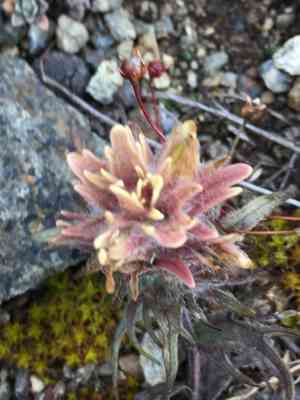
Northern Indian Paintbrush, a species within the Orobanchaceae lineage, flourishes in high-altitude and near-alpine environments. Reproducing northern indian paintbrush entails planting seeds in porous earth, guaranteeing sufficient illumination for sprouting. Sustaining soil hydration without oversaturation is vital. Due to its semi-parasitic characteristic, it gains from being near suitable host flora. Perseverance is essential, as the germination process may be protracted.
When Is the Best Time to Propagate Northern Indian Paintbrush?
Propagation Method
Seeding
Propagation Period
Spring
What Equipment Is Used in Northern Indian Paintbrush Propagation?
Seed trays or flats
Seed trays or flats offer a controlled setting for initiating northern indian paintbrush seeds. These containers facilitate easy oversight and upkeep of soil conditions, vital for seed sprouting.
Well-draining soil mix
Employing a well-draining soil mix helps avert waterlogging and fosters robust root growth for northern indian paintbrush. Ensuring proper drainage is crucial for preventing root decay, a frequent problem during seedling phases.
Heat mat
A heat mat sustains a consistent temperature suitable for the germination of northern indian paintbrush seeds. Steady warmth is especially advantageous in promoting quicker and more uniform sprouting.
Humidity dome
A humidity dome retains moisture and establishes a humid environment around the seeds and seedlings of northern indian paintbrush, which is important for preventing dehydration of young plants.
Fine mist spray bottle
A fine mist spray bottle delivers gentle watering to northern indian paintbrush seedlings, lessening the risk of dislodging seeds or harming delicate roots. Consistent, light misting ensures adequate moisture levels without over-saturating.
Label markers
Label markers assist in tracking various seed types and planting dates in seed trays. Proper labeling is important in managing and monitoring the growth progress of northern indian paintbrush.
Light system (full-spectrum grow lights)
A light system with full-spectrum grow lights guarantees that northern indian paintbrush seedlings receive sufficient light for photosynthesis, particularly in low-light conditions or during seasons with limited sunlight. Adequate illumination supports strong, healthy development.
Sterilized tools (tweezers, small trowels)
Sterilized tools like tweezers and small trowels are essential for handling northern indian paintbrush seeds and seedlings, minimizing the risk of introducing pathogens that can cause disease. Clean tools are crucial for maintaining plant health.
How to Propagate Northern Indian Paintbrush?
Propagation Difficulty
Easy
How to Care for Your Newly Propagated Northern Indian Paintbrush?
How to Care for Your Newly Propagated Northern Indian Paintbrush?
After propagation, ensure northern indian paintbrush plants receive ample sunlight and are planted in well-draining soil to prevent root rot. Regularly water the transplants, especially during dry periods, but be cautious of overwatering. Use a layer of mulch to retain soil moisture and suppress weeds. Monitor for pests and diseases, and remove any affected parts promptly to maintain plant health.
Common Mistakes to Avoid When Propagating Northern Indian Paintbrush
Improper Soil Type
Using the wrong soil type can significantly impede northern indian paintbrush's growth, as it requires well-draining soil with a specific nutrient profile.
Over-Watering
Excessive watering can lead to root rot, which is particularly detrimental for northern indian paintbrush, as its roots are sensitive to excessive moisture.
Lack of Host Plant
Northern indian paintbrush is hemiparasitic and relies on a host plant for nutrients; failing to plant it near a suitable host can cause poor growth or failure to thrive.
Incorrect Seed Depth
Planting seeds too deeply can prevent them from germinating properly, which is critical for northern indian paintbrush's successful propagation.
Tips For Propagating Northern Indian Paintbrush
Use Well-Draining Soil
Ensure the soil is well-draining and mimics northern indian paintbrush's natural habitat for optimal growth.
Moderate Watering
Water moderately to keep the soil moist but not waterlogged, preventing root rot.
Plant Near Host Species
Identify and plant northern indian paintbrush close to suitable host plants to ensure it receives necessary nutrients for growth.
Optimal Seed Planting Depth
Plant seeds at the correct depth, typically shallow, to facilitate proper germination and establishment.



