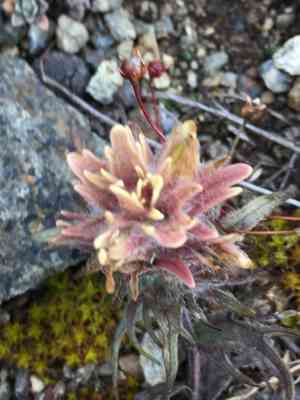
Northern indian paintbrush (Castilleja hyperborea)
Also known as: Arctic Indian Paintbrush
The northern Indian paintbrush excels in arctic and alpine regions due to several distinctive features. Its vivid bracts, which vary from yellow to red, are particularly effective in attracting pollinators. The plant's slender leaves and dense floral spikes are well-suited to enduring the severe cold. Typically growing to a modest height, it thrives in rocky, well-drained soils, perfectly embodying the resilience and rugged charm of its northern habitats.
In This Article
Attributes of Northern indian paintbrush
Lifespan
Perennial
Plant Type
Herb
Plant Height
10-30 cm
Spread
N/A
Leaf Color
Green
Flower Size
1-2 cm
Flower Color
Bright red, orange, yellow
Images of Northern indian paintbrush
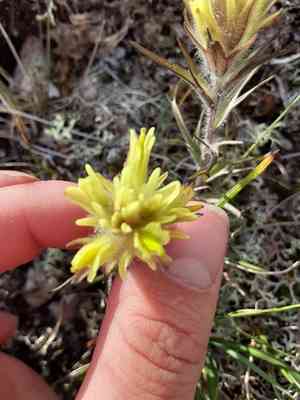
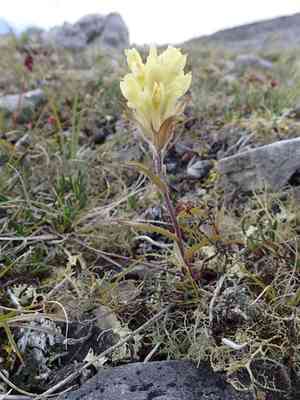
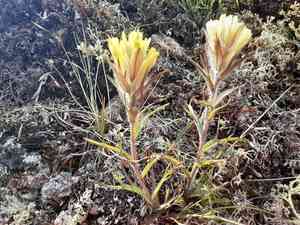
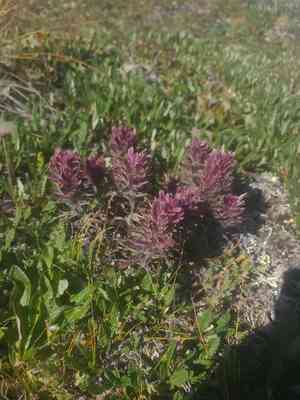
Quickly Identify Northern indian paintbrush
1
The plant can be identified by its striking, brightly colored bracts that are often red, orange, or yellow, elongated leaves, and its preference for alpine and tundra habitats.
Scientific Classification of Northern indian paintbrush
Phylum
Vascular plants
Class
Dicotyledons
Order
Lamiales
Family
Broomrape
Genus
Indian paintbrush
Species
Northern indian paintbrush
Planting and Growing of Northern indian paintbrush
Care Difficulty
Hard
Watering Schedule
Every 2 days
Sunlight Requirements
Partial sun
Sunshine Duration
4-8 hours
Ideal Temperature
60-70℉
Soil Type
Potting Mix, Peat Mix
Soil pH
6.5-7.5
Fertilizer Type
Balanced
Pruning Season
Spring, Summer
Pruning Area
Branches, Leaves
Pruning Frequency
2 times a year
Repotting Season
Spring
Pot Type
Plastic, Ceramic
 How to Water Northern indian paintbrush?
For Castilleja hyperborea, a balanced approach to watering is key. Each watering session should aim to provide around 200 milliliters of water, ensuring that the soil is evenly moist but not waterlogged. This plant prefers consistency, so try to maintain a steady moisture level without letting the soil dry out completely.
What are the symptoms of an underwatered Northern indian paintbrush?
›
What should I do if my Northern indian paintbrush is not getting enough water?
›
What are the symptoms of an overwatered Northern indian paintbrush?
›
How to save an overwatered Northern indian paintbrush?
›
 What Are the Sunlight Requirements for Northern indian paintbrush?
The ideal light condition for Castilleja hyperborea is partial sun, offering a balance that encourages healthy growth and vibrant blooming while minimizing stress from excess sun.
Why is partial sun ideal?
›
What solutions ensure ideal lighting?
›
What are the benefits of ideal conditions?
›
 What Is the Ideal Temperature Range for Northern indian paintbrush?
The ideal temperature range for cultivating Castilleja hyperborea is between 60°F and 70°F. This range allows for optimal photosynthesis and growth without causing stress to the plant. Maintaining consistent temperatures within this range ensures healthy development and vibrancy of the plant's foliage.
 What Soil is Best for Northern indian paintbrush?
Castilleja hyperborea thrives in soils that allow for excellent drainage, preventing root rot and promoting healthy growth. Ensuring the soil doesn't retain excess water is crucial for avoiding fungal diseases which could hinder its vibrant blooms. This plant prefers a soil rich in organic matter. Organic matter provides necessary nutrients for optimal growth, supporting its bright coloration and robust structure by maintaining nutrient levels that foster healthy vegetation. The plant benefits from soil that can retain moderate moisture without becoming waterlogged. Consistent moisture supports the vitality of Castilleja hyperborea, helping maintain its overall vibrancy and lush foliage.
 How to Fertilize Northern indian paintbrush?
When fertilizing Castilleja hyperborea, use a balanced fertilizer diluted to half strength. Apply 50ml of liquid fertilizer per plant. For slow-release fertilizers, incorporate evenly into the soil, using approximately 10 grams around the base of each plant.
 How to Prune Northern indian paintbrush?
Start by identifying the spent flowers and any woody stems that appear to be dead. Use clean, sharp pruning shears to ensure a precise cut just above the leaf node which encourages regrowth. This method not only tidies the plant but also facilitates a burst of fresh blooms. Focus on thinning the plant by removing overcrowded branches to improve air circulation and light penetration. Pay attention to cutting at an angle which allows for better water run-off and reduces the risk of fungal infections. Uniformly spread trimming across the plant to shape it nicely.
More About Pruning Techniques→
 How to Propagate Northern indian paintbrush plant?
1
Use a well-draining mix, preferably a combination of sand and peat, to provide the necessary conditions for seed germination and rooting of cuttings. Ensure the substrate is moist but not waterlogged.
2
Scatter the seeds evenly over the substrate surface without burying them too deeply. Lightly press them into the soil, and mist with water to ensure even moisture.
3
Select a healthy stem from the parent plant and cut a 4-6 inch length just below a node. Remove leaves from the lower half to promote root development.
 How to Repot Northern indian paintbrush plant?
1
Repotting should be considered when you notice the roots starting to circle the pot's interior, indicating root-bound conditions. Also, if the plant's growth seems stunted or the soil drains poorly, it’s time to refresh its environment. Watch for these signs annually!
2
Select a pot that is 1-2 inches wider than the current one. This gives the roots room to expand, offering stability for the plant. Ensure it has drainage holes to prevent waterlogging, which protects against root rot and promotes healthier growth.
3
Opt for a well-draining sandy soil mix. Such soil ensures adequate aeration and prevents root rot, crucial for Castilleja hyperborea's delicate root system. A mix that mimics its natural alpine habitat allows the plant to thrive and maintain healthy growth.



